

I met Thushan De Silva during my last trip to Sri Lanka. I enjoyed an Ayurveda treatment at the West Coast of the island. With some other travelers and some locals like Thushan we build up an environmental group. I got to know that Thushan is much into sustainability of his country.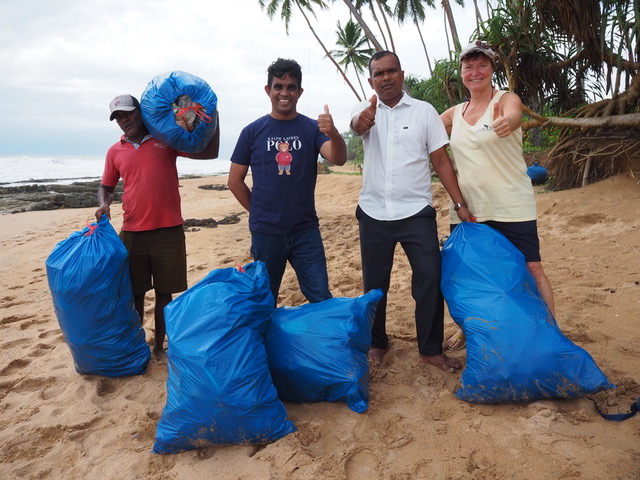 Now he published a travel guide about his island. You have the insights of a local and therefore it is very interesting to read. In case you have any questions below you see his E-Mail and you can write and ask him any time. It is a wonderful contribution regarding safety and all of your travel related questions. You don’t have to pay for his service. You find his travel guide on Amazon. All you have to do is load it down on your Kindle and then you will be ready to go.
About the author:
Thushan De Silva is a chartered management accountant by profession. Currently, he is working as a financial analyst. He has a vast variety of experience in different areas and has worked for many international companies, such as HSBC and Standard Chartered banks. In his career he has worked with different cross-functional teams in the UK, Hong Kong, Greece, Cyprus, and India. He has cooperated with Germans, Austrians, and Bulgarians in their social services that are taking place in Sri Lanka. He is 41 years, not married and excited to share his experience with you through his travel guide, „Beyond the Beaches: A Smart Traveler’s Guide to Sri Lanka”. He likes to hear from you about his new book. If you need any assistance, he would like to help you during or before your visit in Sri Lanka. If you need any clarification about Sri Lanka or want to do any comment about his book, please write Thushan an E-mail:
thushannts@gmail.com or thushannts@hotmail.com
Thushan De Silva: Beyond the Beaches: A Smart Traveler’s Guide to Sri Lanka, 8,99 US-Dollar, Amazon Download
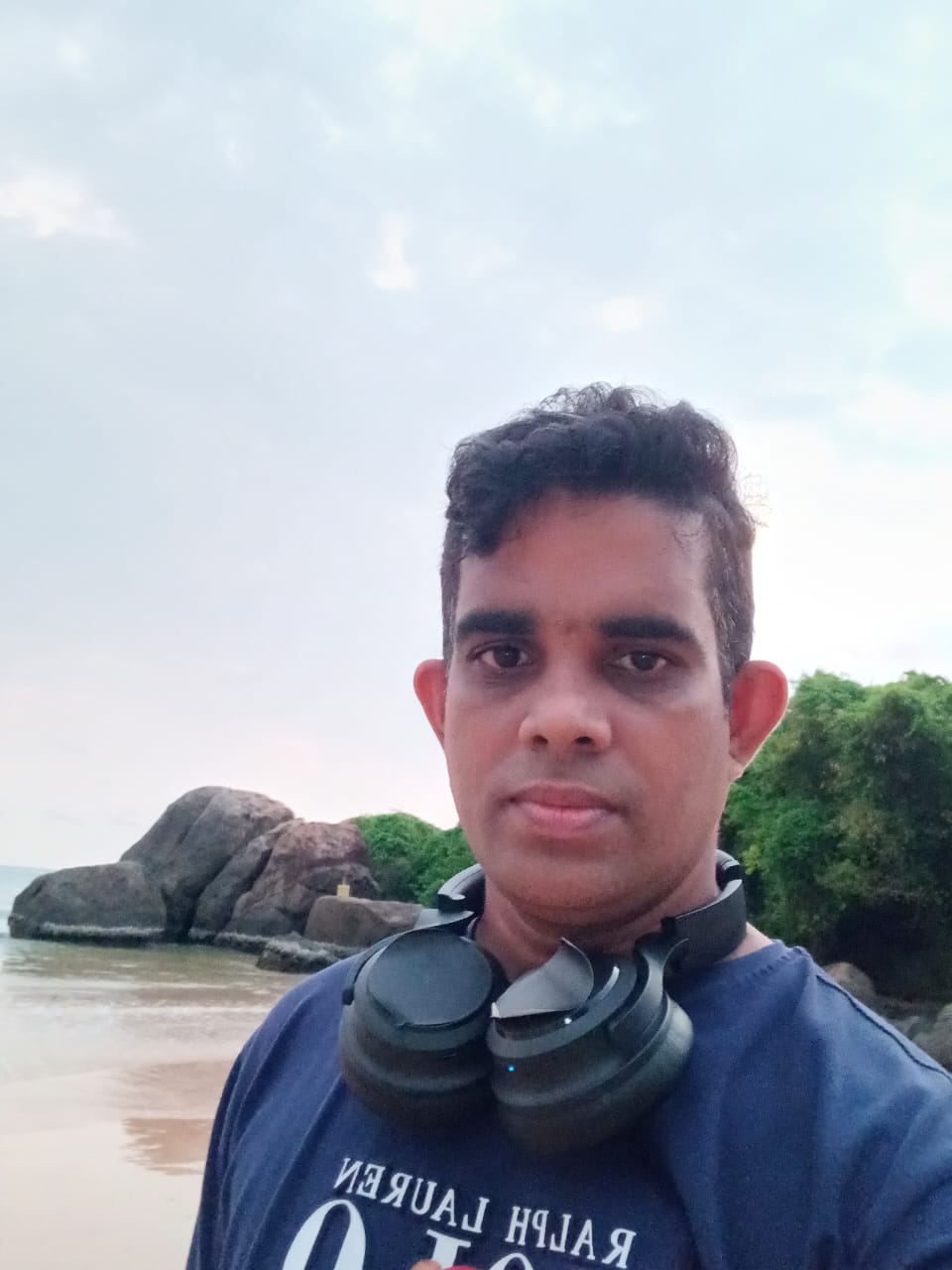
10 questions – 10 answers:
1. Why did you have the idea to write a travel guide?
I was born and raised in Ahungalla, a small coastal town in Sri Lanka. In my life, I have interviewed thousands of tourists. As an analyst, I have conducted several research projects on the tourism industry in Sri Lanka. Throughout my experience and research, I have understood their concerns and found that most tourists focus on the popular tourist areas of Sri Lanka rather than visiting the attractive landscapes and beaches. Your knowledge of Sri Lanka will facilitate hassle-free travel. In my travel guide, „Beyond the Beaches: A Smart Traveler’s Guide to Sri Lanka“, I explain everything you didn’t know and everything you need to know before embarking on your trip to Sri Lanka.
2. What is your preferred region in Sri Lanka and why?
When you visit the untouched rural areas of Sri Lanka, you will feel like you are going back in time. Meemure, villages bordering Knuckles Mountain, and the Veddhas (an indigenous community in Sri Lanka) village will give you this experience. The Colombo to Ella train is regarded as one of the most beautiful train journeys in the world; passing through lush green hills, waterfalls, tea plantations, and cloud-covered surroundings, it will touch your heart.
There are more than hundreds of sandy beaches, and you can enjoy the breathtaking sunsets of this stunning island, that known as the pearl of the Indian Ocean. Instead of the crowded beaches, I prefer beaches such as Ahungalla Beach that are not yet popular among the tourists. Still, in those beaches you can see turtle breeding areas, eagles, birds, wonderful reefs, and spectacular views.
You can enjoy every inch of Sri Lanka, and weather patterns will change from place to place. People who like cold and humid climates with lush mountains and waterfalls can travel to the hill country areas like Haputhale, Nuwara Eliya, Nanuoya, Kothmale, Ohiya, Riverton or Ella. If you are not interested in that weather, you can reach the southern and western coastal areas like Colombo, Negombo, or Galle within four hours. If there it is raining in those areas, still, you do not want to worry; you can easily reach dry areas like Hambanthota, Arugambe, Pasikuda, or Trinco, situated on the eastern and northern coastlines. On the way to dry zone, you can visit elephants in Yala National Park. However, I believe you will never miss the ancient wonders of Sigiriya, Anuradhapura, and Polonnaruwa on your journey.
3. What special kind of Sri Lankan meal every traveller should try (normal, vegetarian and vegan)?
You can enjoy varieties of traditional foods and fruits in Sri Lanka. Milk rice, hoppers, string hoppers, pittu, coconut roti, vegetable roti, and egg roti are a few meals you can find anywhere in Sri Lanka. If you are vegetarian, you can enjoy any of the above meals except Egg Roti. For the others, do not forget to enjoy Kottu Roti (a bit spicy, but they will prepare it based on your preference), Jaffna crab curry, and special fish curries (Malu Abul thiyal).
Fruits from Sri Lanka are among the finest in the world. Sri Lankan fruits such as rambutan, mangosteen, jackfruit, anoda, wood apple, tamarind, cashew apple, pomegranate, and Ceylon olive (veralu) offer a unique divine taste that is difficult to find anywhere else in the world. I believe that you will never forget the taste of Sri Lankan traditional sweets and desserts like Kawum, Kokis, Athirasa, Milk Toffee, Asmi, Welithalapa, Watalappan, and Sri Lankan puddings.
Ultimately, before you go back to your country, taste the sweetness of king coconut and the benefits of herbal porridge. However, if you still think about the western meal, do not want to worry, you can have any type of western, Chinese, or Thai meal from Sri Lankan restaurants.
4. Which typical souvenir should a traveller bring home from your island?
Traditional masks, batik clothes, seashell designs, beeralu lace, tea boxes, and traditional wood designs (elephants/fishermen) will give you an everlasting memory about the Sri Lankan tour. If you can afford gems, you can bring back the most valuable and rare Sri Lankan gem and sapphire (blue sapphire) designs to your country. Please ensure to carry a quality camera to capture the stunning landscapes of Sri Lanka, which will serve as an exceptional keepsake from your trip.
5. Is traveling in Sri Lanka safe, especially for women traveling alone?
My simple answer is „Yes“. Sri Lankan culture has developed while maintaining mutual respect among individuals. Sri Lankans are hospitable. No major incident has been reported regarding the tourists for the last ten years. However, Sri Lanka is currently experiencing ongoing issues with requesting high prices. Knowing more about Sri Lanka before you arrive, you can overcome these issues. Always try to use genuine service providers, companies, and international taxi services like Uber and Pick Me. However, I will advise women to avoid travelling in isolated areas and streets at night. Sri Lankans are extremely friendly and supportive; however, do not make any kind of financial deals with unknown people.
6. What is the best way to visit the famous Sri Lankan sightseeings?
The Colombo to Ella train is regarded as one of the most beautiful train journeys in the world, passing through waterfalls, tea plantations, mist-covered hills, dense forests, and rural countryside. The Colombo-Matara railway line runs along sea routes. If you explore the specific area, I recommend using a motorbike, scooter, or tuk-tuk. If you use taxis, it is advisable to discuss the fare before you get the service. Always try to cooperate with known taxi services like Uber. You are welcome to use balloon tours, boat tours, seaplane tours, elephant rides, bullock carts, and horse rides to visit some areas of the island.
7. What kind of possibilities a traveller has to organize a private trip around the island?
Sri Lanka is one of the easiest and safest countries to organize a private trip. The only thing you need to have is good knowledge regarding the locations, culture, and transport. The visa process is simple. You can easily rent out the self-drive car, motorcycle, tuk-tuk, and scooters, or you can go with the private driver. You may find that using public transport is regarded as the most affordable option.
The majority of Sri Lankans are well educated and can understand English. Sri Lankan banks will facilitate the money exchange. Credit and debit cards are widely accepted. In nearly all regions of the country, a reliable internet connection is available. Google Maps is very accurate and working across the country. Sri Lanka globalized with many multinational companies like Uber, Booking.com, Airbnb, KFC, Burger King, Pizza Hut, Domino’s, etc. I would recommend reading a travel guide, such as my travel guide, „Beyond the Beaches: A Smart Traveler’s Guide to Sri Lanka“, before you embark on your trip. It will enable you to travel in Sri Lanka like a local.
8. What is your preferred wish for the future of tourism in Sri Lanka?
I wish for an eco-friendly tourism industry in Sri Lanka that benefits both visitors and local communities. A significant portion of Sri Lankan Gross Domestic Product (GDP) has arisen from tourism. The government has the responsibility to foster an environment to attract tourists and provide better infrastructure.
In my experience I have noticed that many tourists visit Sri Lanka each year. Sri Lanka is gradually developing as a winter destination. A substantial proportion of Europeans travel to Sri Lanka to avoid the harsh environment of their winter. During the winter season in Europe, Sri Lanka provides the best weather conditions. I met a few Europeans who has private villas in Sri Lanka, and they regarded it as their second home. I anticipate that the Sri Lankan government will consider these initiatives into account when formulating their future policies.
9. How is the environmental awareness of the people of Sri Lanka?
In comparison to developed European countries, Sri Lanka shows moderate to growing environmental awareness. The Sri Lankan government has taken significant initiatives to enhance the environmental awareness level. The Clean Sri Lanka campaign has been implemented. The current government actively cooperates with the environmental awareness program and provides the required infrastructure. Behavioral patterns and attitudes are changing with new campaigns, regulations, and education. Sri Lanka will become one of the cleanest countries in the near future with the environmental awareness program.
10. What is your greatest wish for the future of your country?
Sri Lanka should become a second home to every visitor. Global recognition always provides a positive impact on tourism. The Sri Lankan government should facilitate hassle-free travel for everyone. The government should promote concepts like facilitating the winter vacation and private villas. Any weaknesses of the tourist industry should be avoided in the future. Effective utilization of inherited resources will enable Sri Lanka to become the number one tourist destination in the world.
Thank you, Thushan de Silva, for the interview.


 sl4lifestyle - Sabines Magazin für Reisen, Lifestyle und mehr