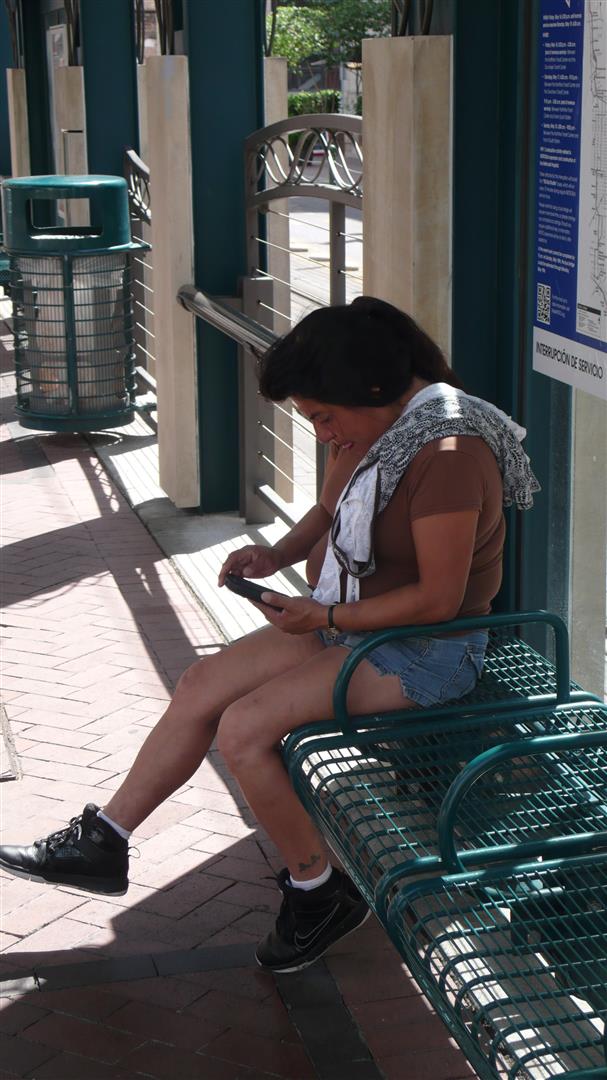
Houston, Texas, Mai 2014

Houston, Texas, Mai 2014

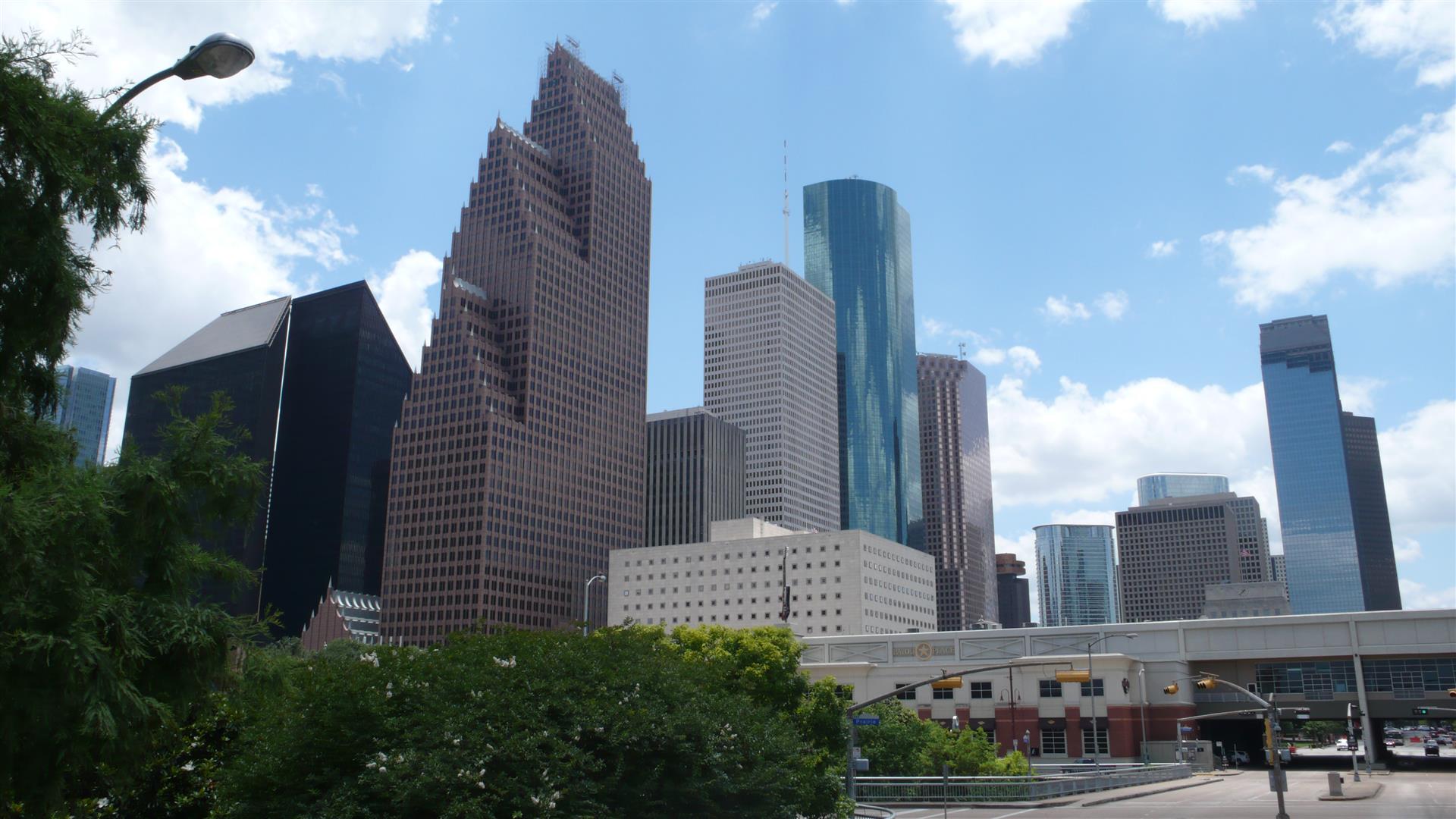
Ich war nicht lange genug in Houston, um die Stadt gut kennen zu lernen. Ein Tag musste reichen.
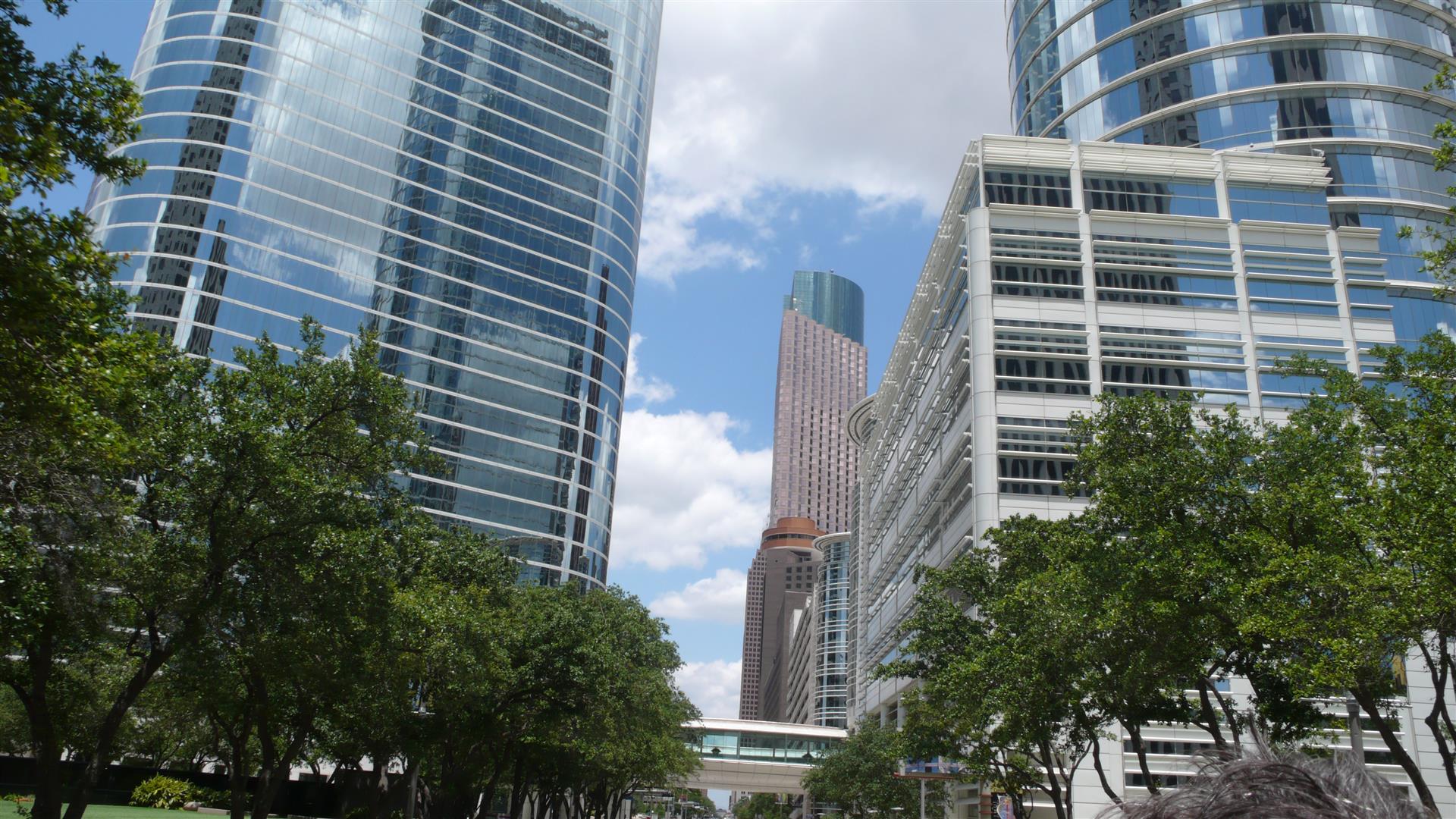
Also, im Schnelldurchlauf: Die Stadt im Süden von Texas hat einiges zu bieten: Neben einer fantastischen Architektur auch im Vergleich zu anderen US-Großstädten relativ niedrige Lebenshaltungskosten, was besonders junge College-Absolventen anzieht. Und dann natürlich gibt es die Öl-Industrie. Houston ist die größte Stadt in Texas und die viertgrößte in den Vereinigten Staaten.
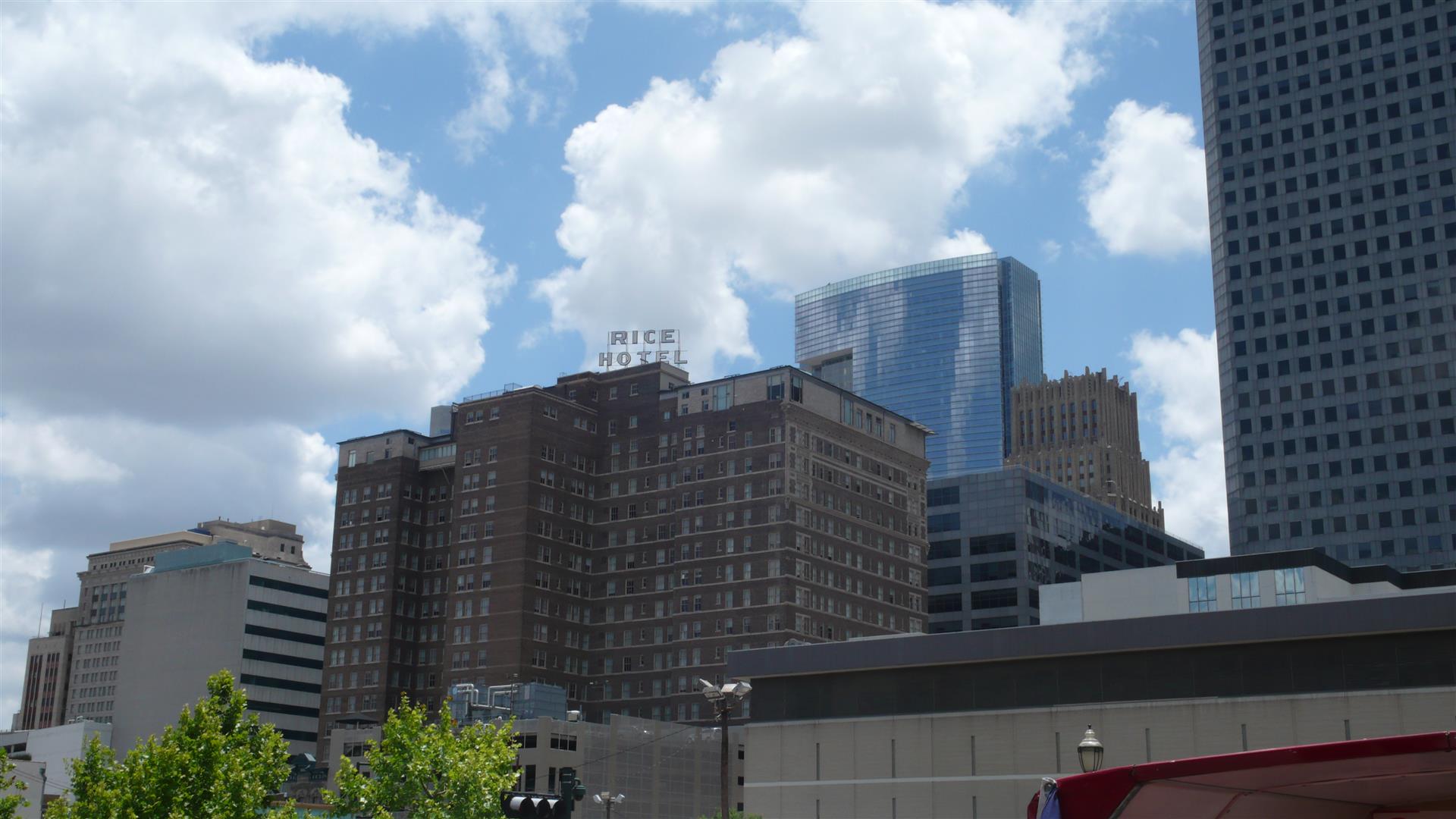
Rice Hotel
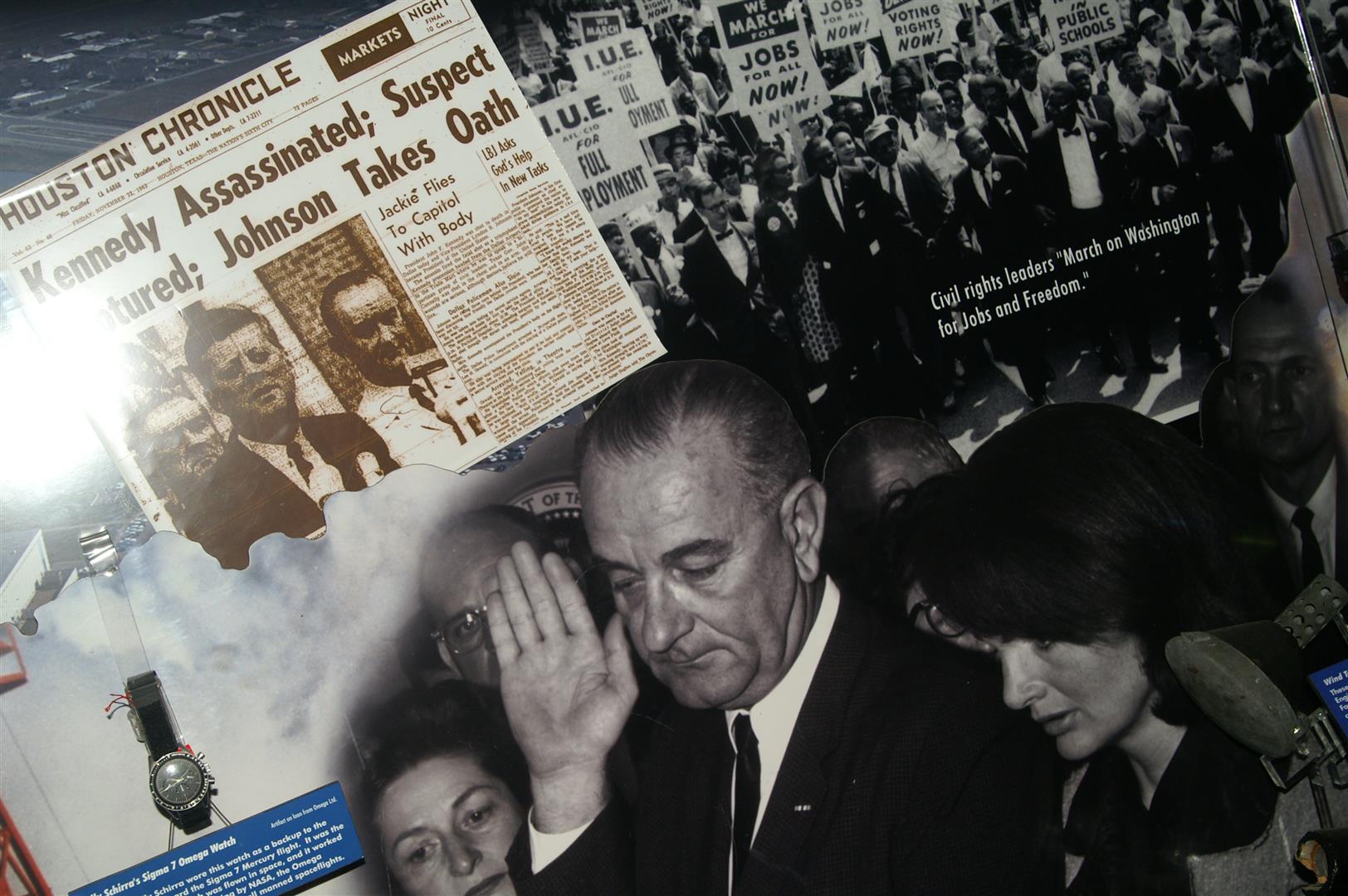
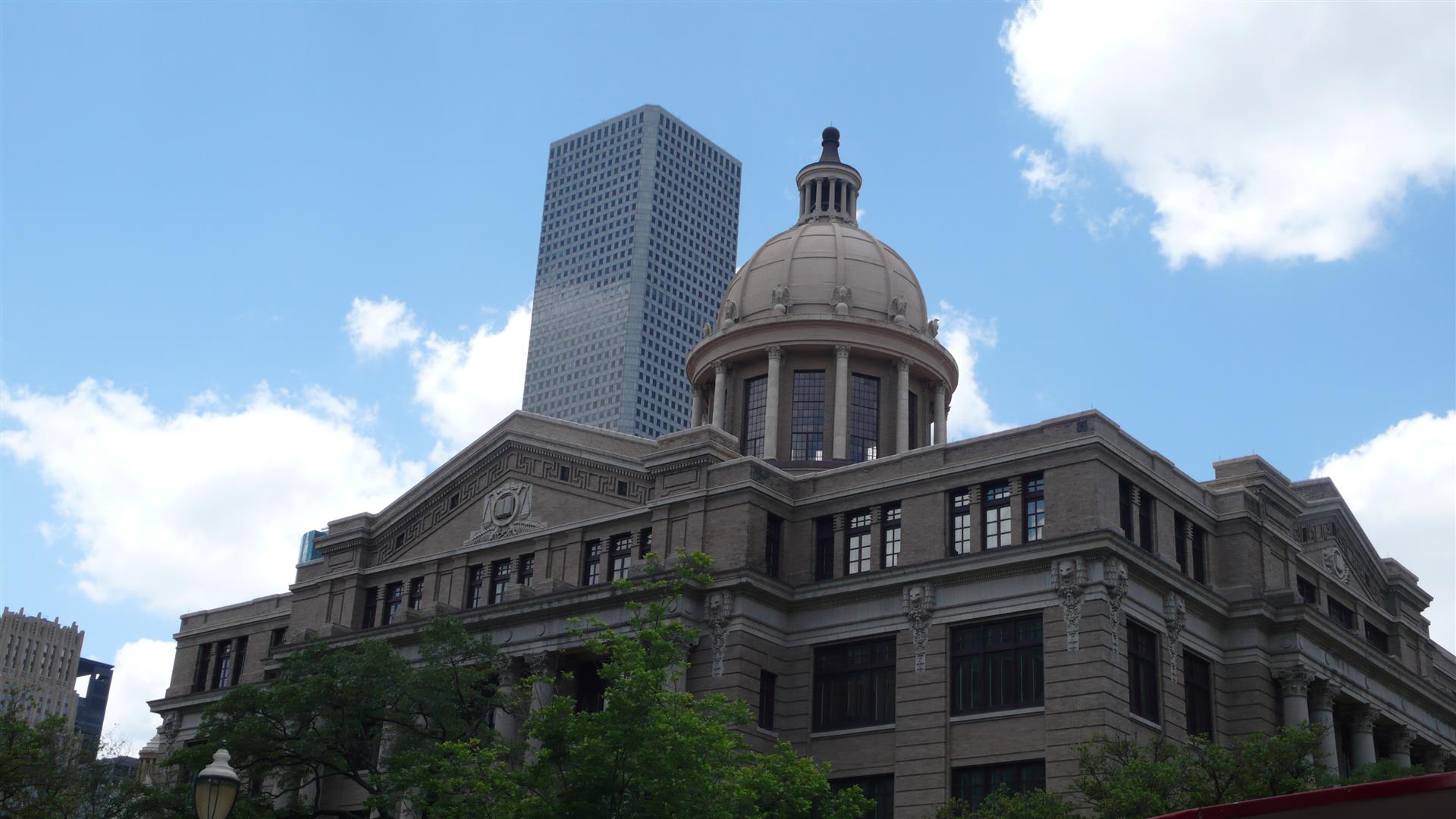
Auf diesem Bild könnt Ihr das Rice Hotel aus dem Jahr 1912 erkennen. Hier hat Jackie Kennedy einen Tag vor dem Attentat auf ihren Mann in Dallas im Jahr 1963 eine Rede auf Spanisch gehalten. Noch heute erinnert man sich an ihr Charisma, mit der sie die Wahlkampagne ihres Mannes unterstützte. Jetzt wohnt man im Rice Hotel in exklusiven Appartements, das Hotel gibt es nicht mehr. Es ist eine der besten Wohngegenden der Stadt und liegt mitten in Downtown.
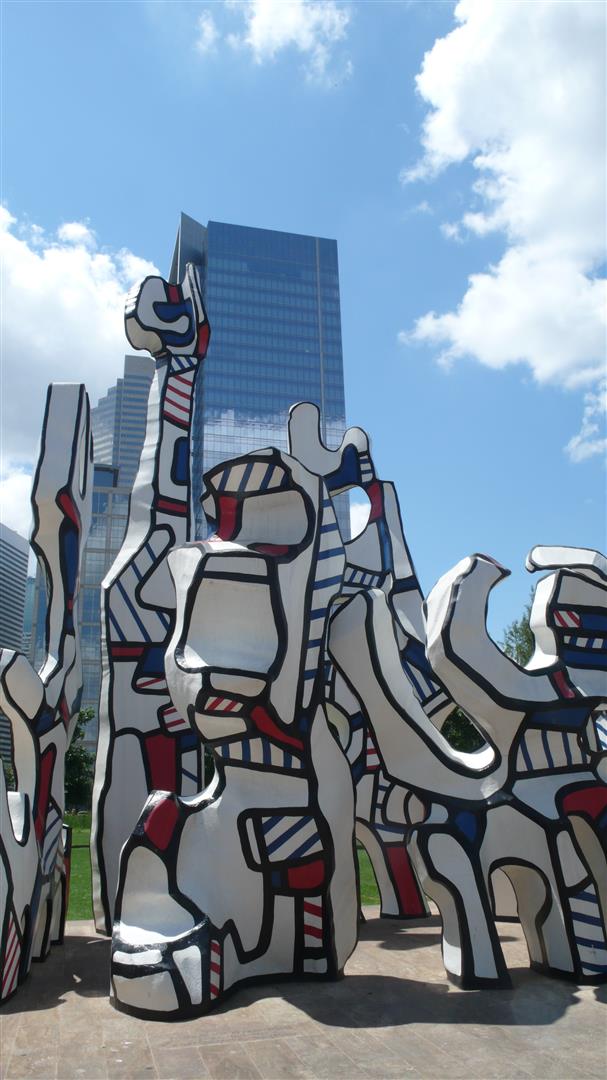
„Monument au Fantome“ by Jean Dubuffet.
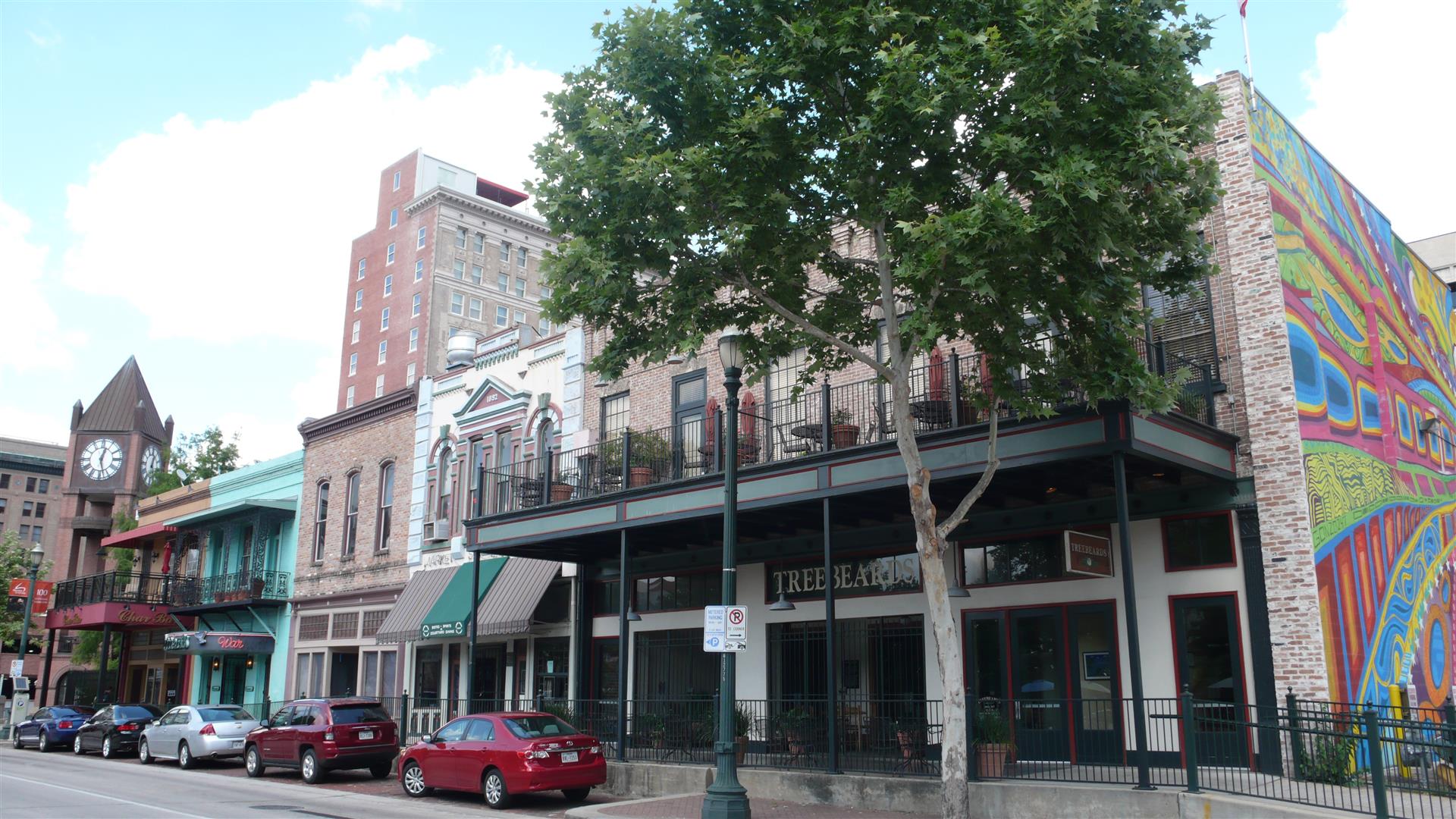
Das ehemalige Baker-Travis Building (rechts) wurde circa 1861 gebaut und ist das zweitälteste Gebäude in Houston.

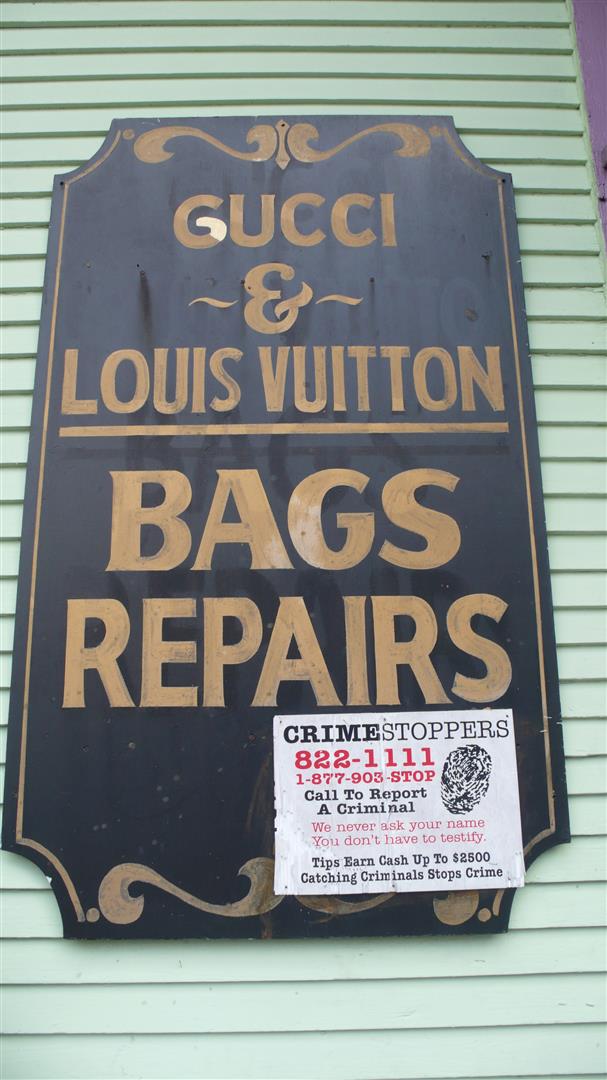 Der Schuster meines Vertrauens!
Magazine Street, New Orleans, Mai 2014

So, a while ago I planned a project which is on focusing the life in the southern part of the US. Well, I started working on it (the pictures and text contributions in these posts are all made during my Road trip).
I continue to start brainstorming new ideas for putting this specific project on its way. I just wanted to tell you, since some of you have been really helpful in coming up with ideas and suggesting topics:
Please do continue with giving me some new ideas. What kind of pictures, of topics from the deep South of the US would you like to know more about it?
Thank you! I really appreciate your comments!
Sabine

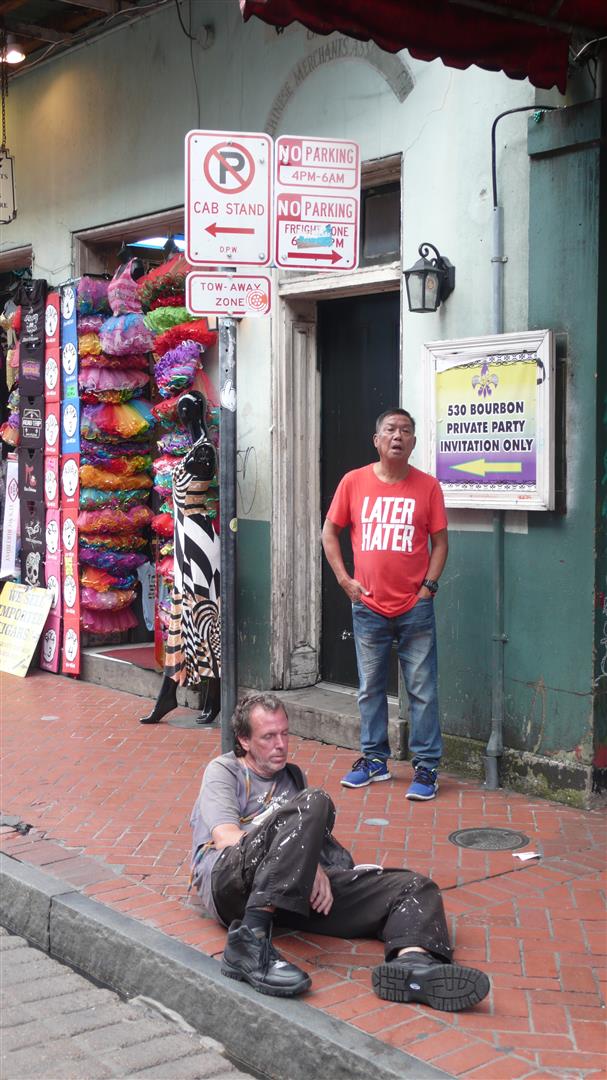 Bourbon Street, New Orleans, Mai 2014

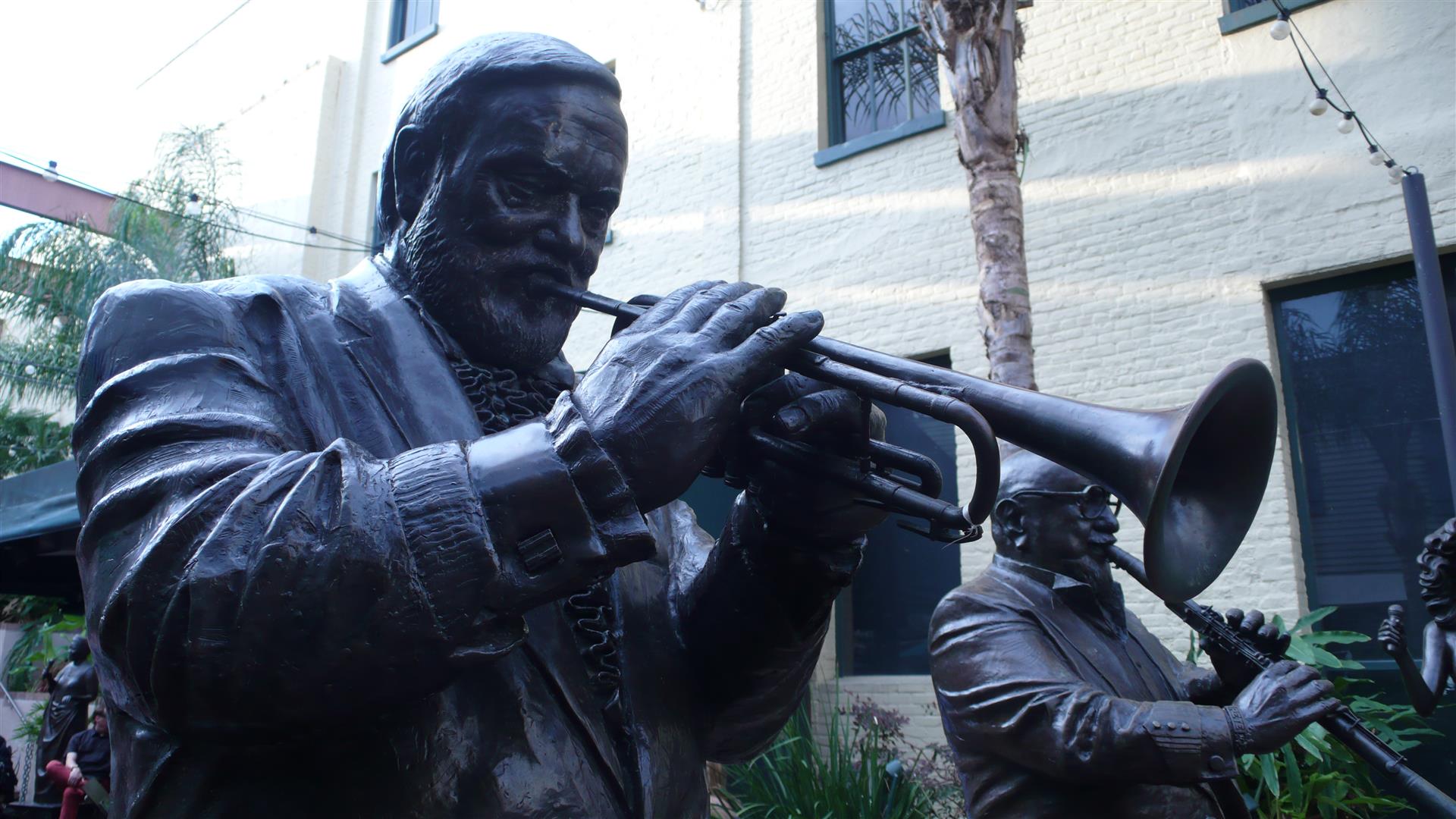
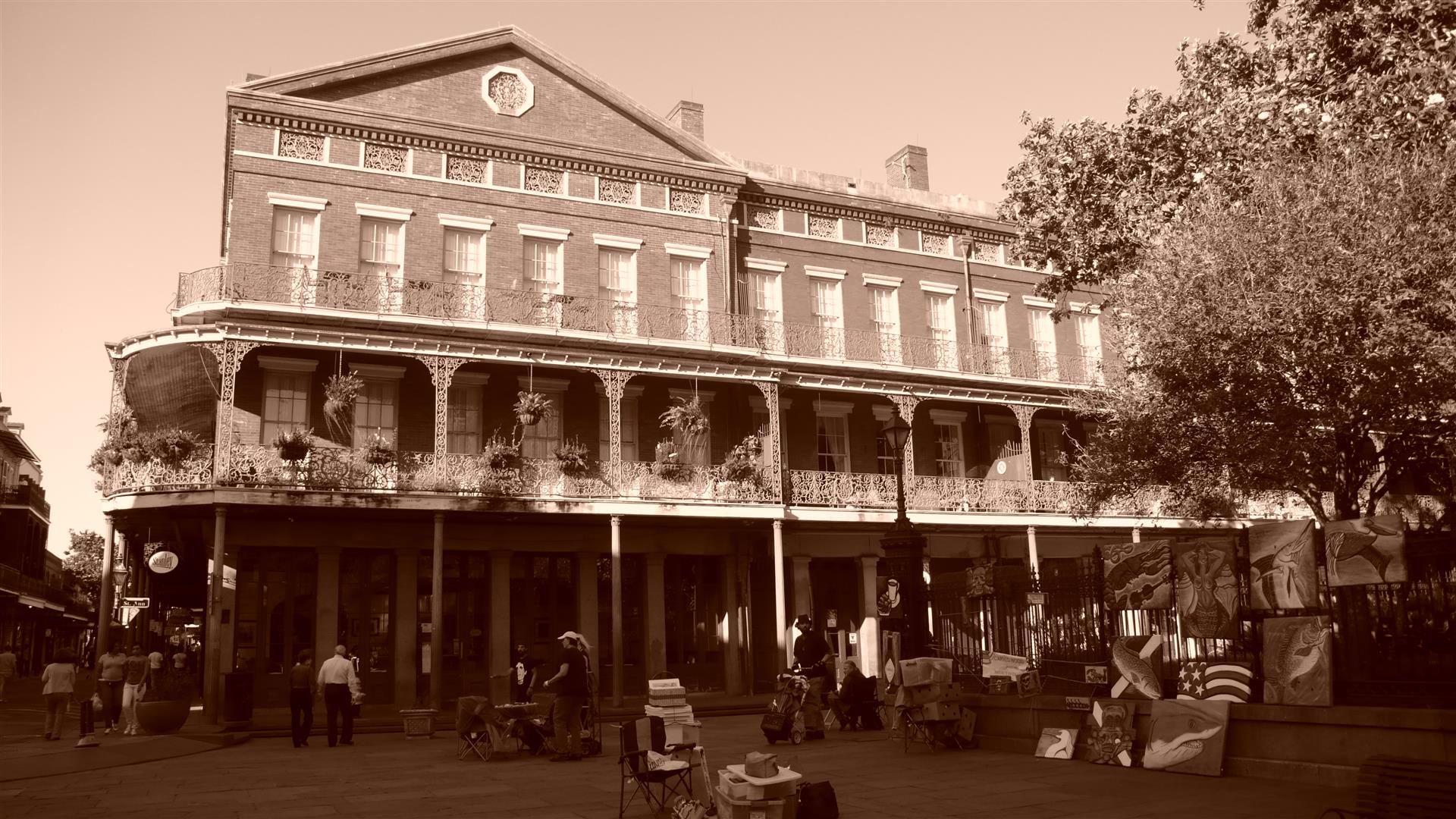 Es ist das Herz von New Orleans. In der Bourbon Street im French Quarter ist immer was los. In den Bars spielen hier und in der Frenchmen Street die besten Jazz-Musiker der Stadt. Die Stadt entstand um 1722. Sonst gab es damals nichts. Koloniale Architektur, romantische Häuser mit Balkonen, die kunstvoll aus Eisen gedrechselt sind, versprühen den Charme von damals.
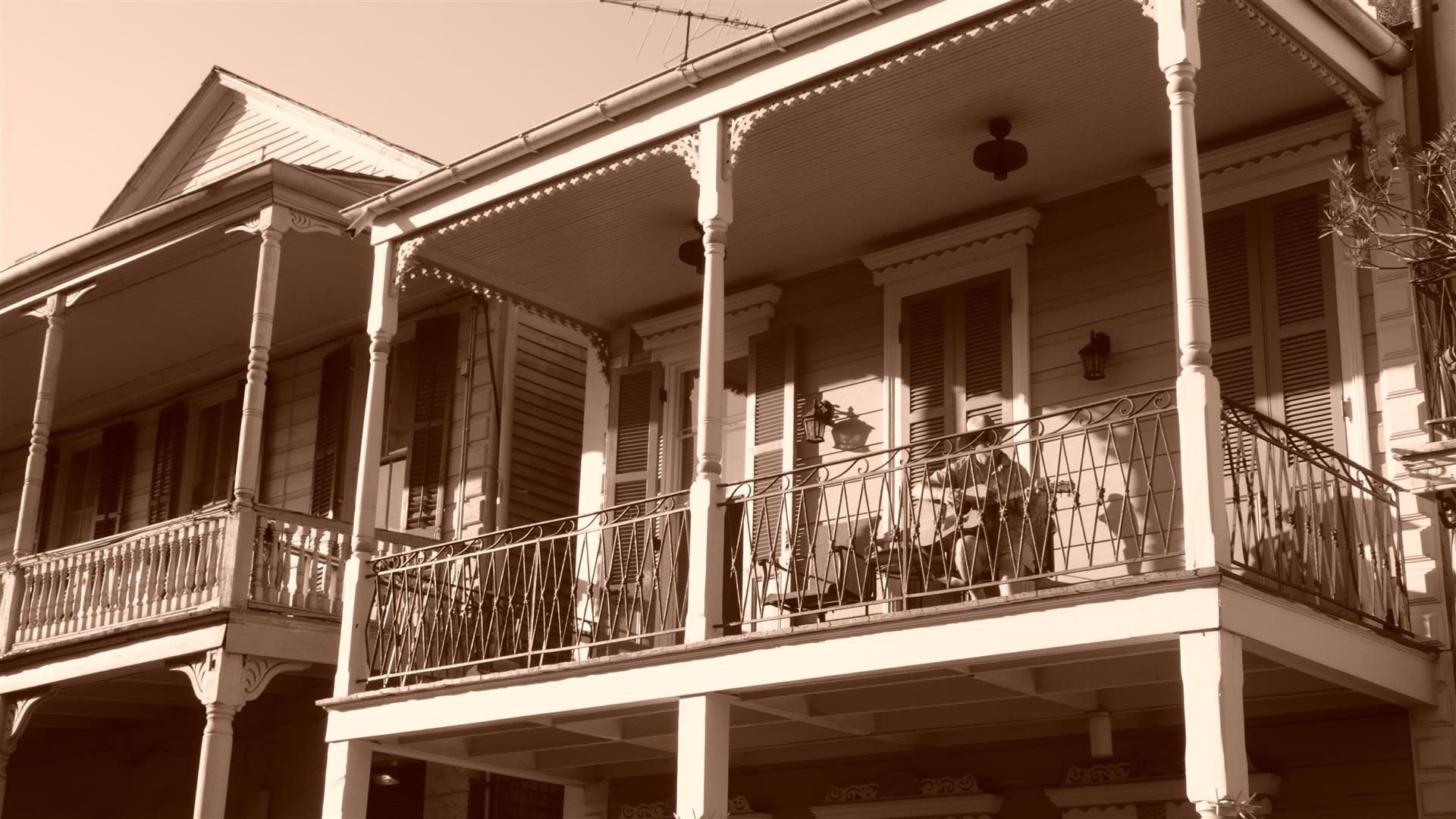
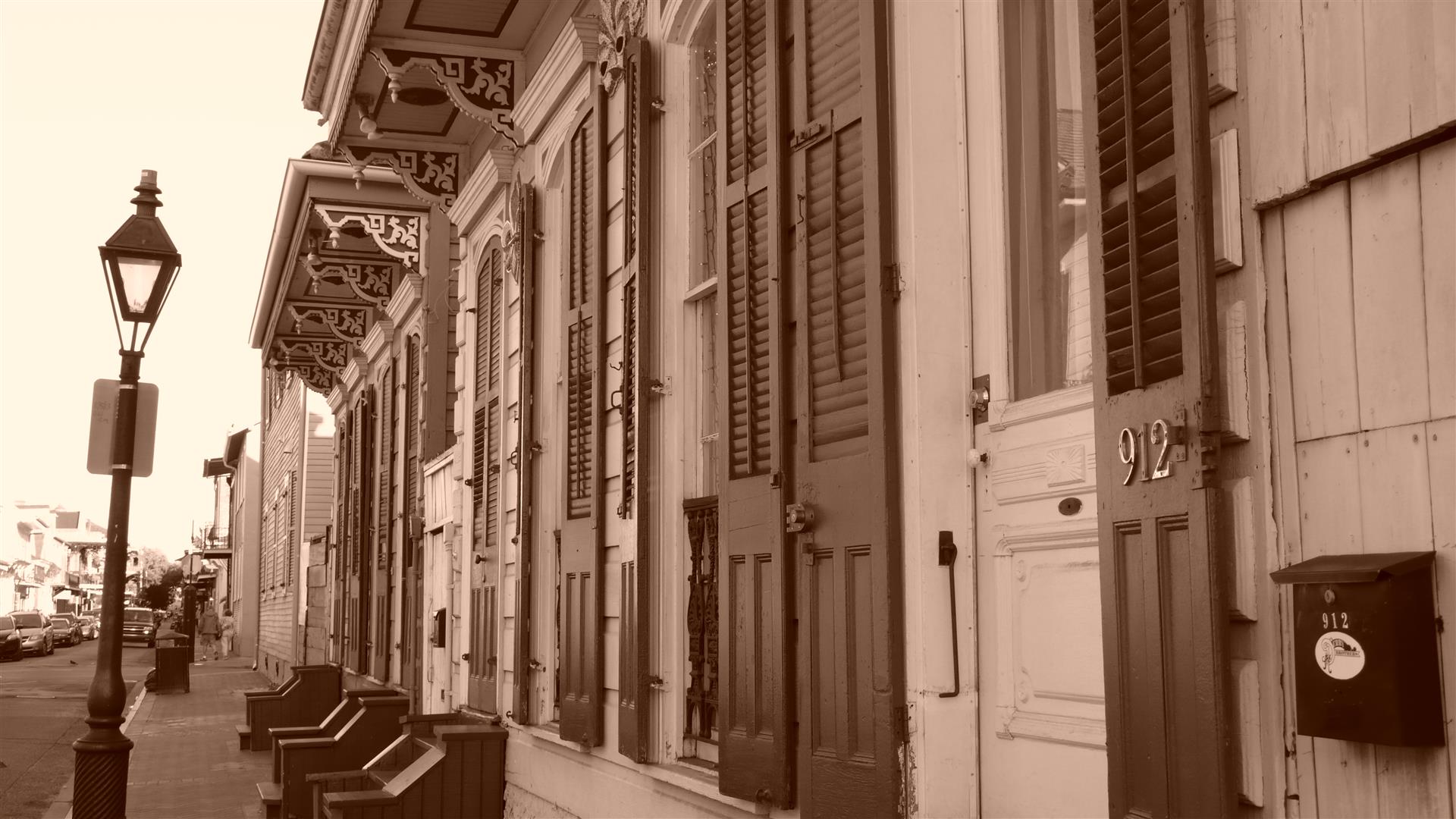
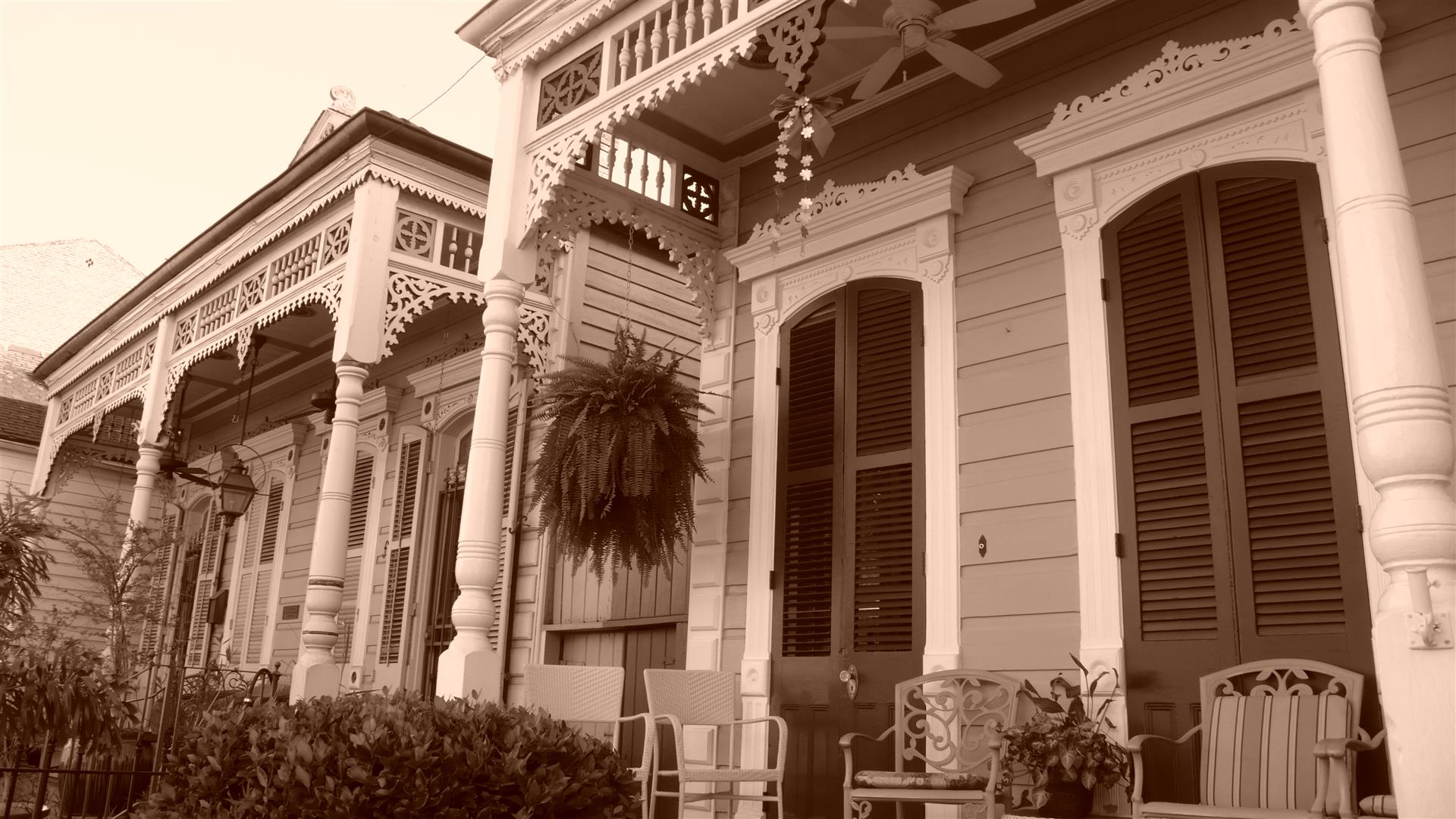
In die Gegenwart zurückgeholt wird man in der Bourbon Street, die die Hauptader des Viertels ist. Man muss Bars mögen, um sich hier wohl zu fühlen. Mein Ding ist es nicht, trotzdem möchte ich die paar Abende dort nicht missen.
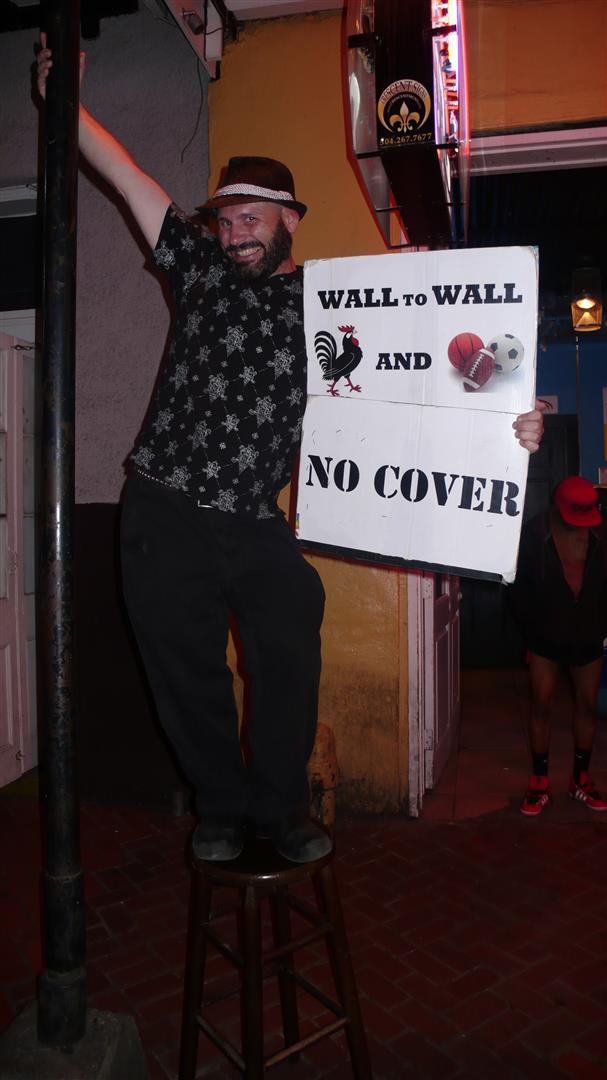
Alkohol, meist Bier oder Cocktails, Strip-Bars, halbnackte Mädchen und Männer, die unvergessliche Shows in den oberen Etablissements versprechen, und der allgegenwärtige Sound von Live-Jazz aus den vielen Bars gehören zur Straßenszene. Nein, Amerika ist hier nicht prüde, sondern ungewohnt offen und nackt.


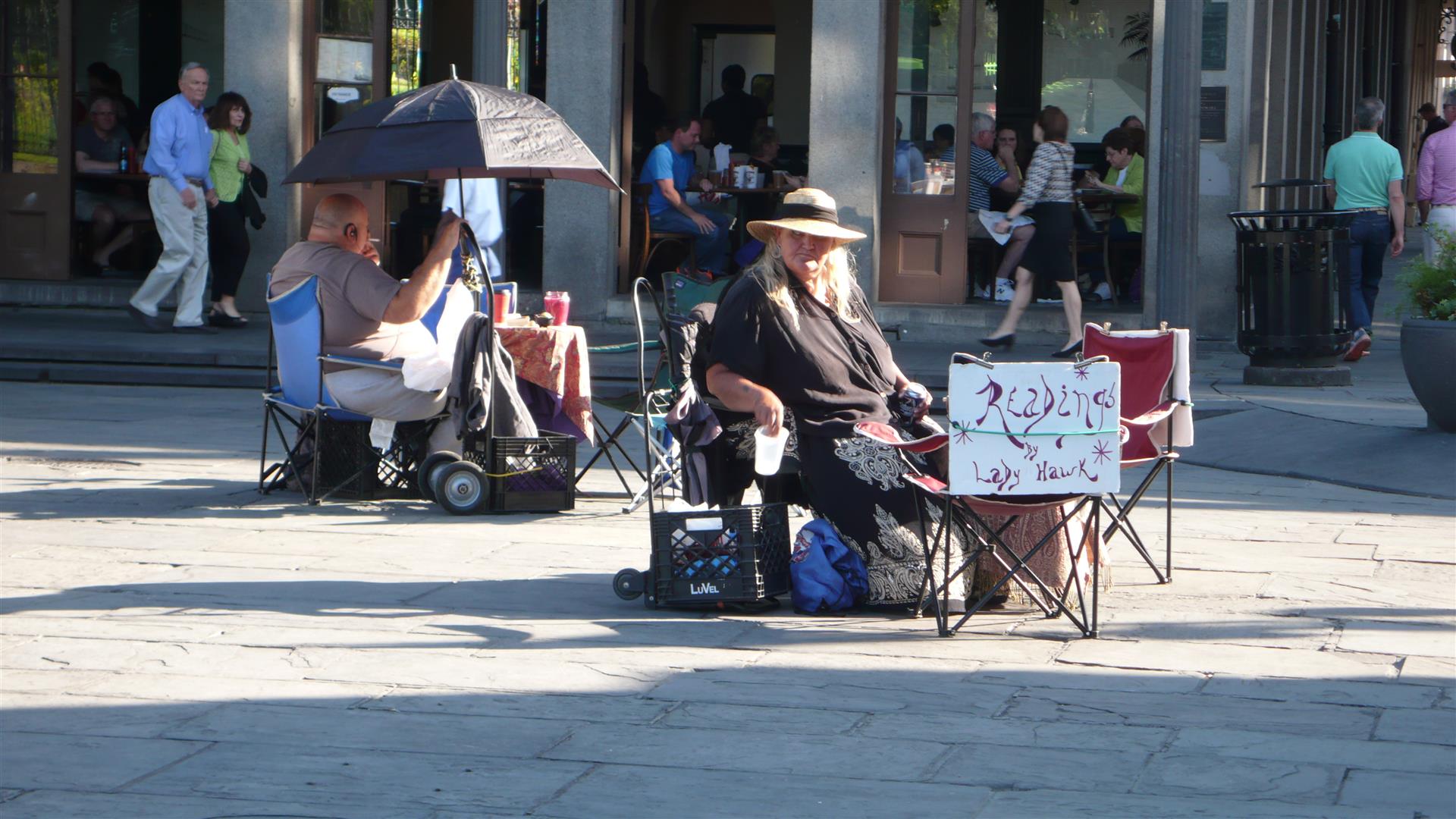
Weiter Richtung Ufer liegt der Jackson Square mit seinen Straßenkünstlern, Malern und Wahrsagern. Nein, ich lasse mir nicht die Hand lesen, die Erfahrung, die ich in Burma vor einigen Monaten mit einem Wahrsager gemacht habe, hält noch an!
Überragt wird der Platz von der weißen St. Louis Cathedral, eine der ältesten Kirchen der USA. Und gleich gegenüber lockt das Café du Monde mit einem Nachmittags-Espresso. Eine Stärkung kann ich jetzt durchaus gebrauchen, bevor ich mich heute abend zum letzten Mal in die Jazz-Bars der Bourbon Street stürze.

During the late 17th century and well into the 18th centuries, slaves gathered at Congo Square on Sundays and sang, danced and drummed in authentic West African style. This rich legacy of African celebration is the foundation of New Orleans’ unique musical traditions, including jazz.
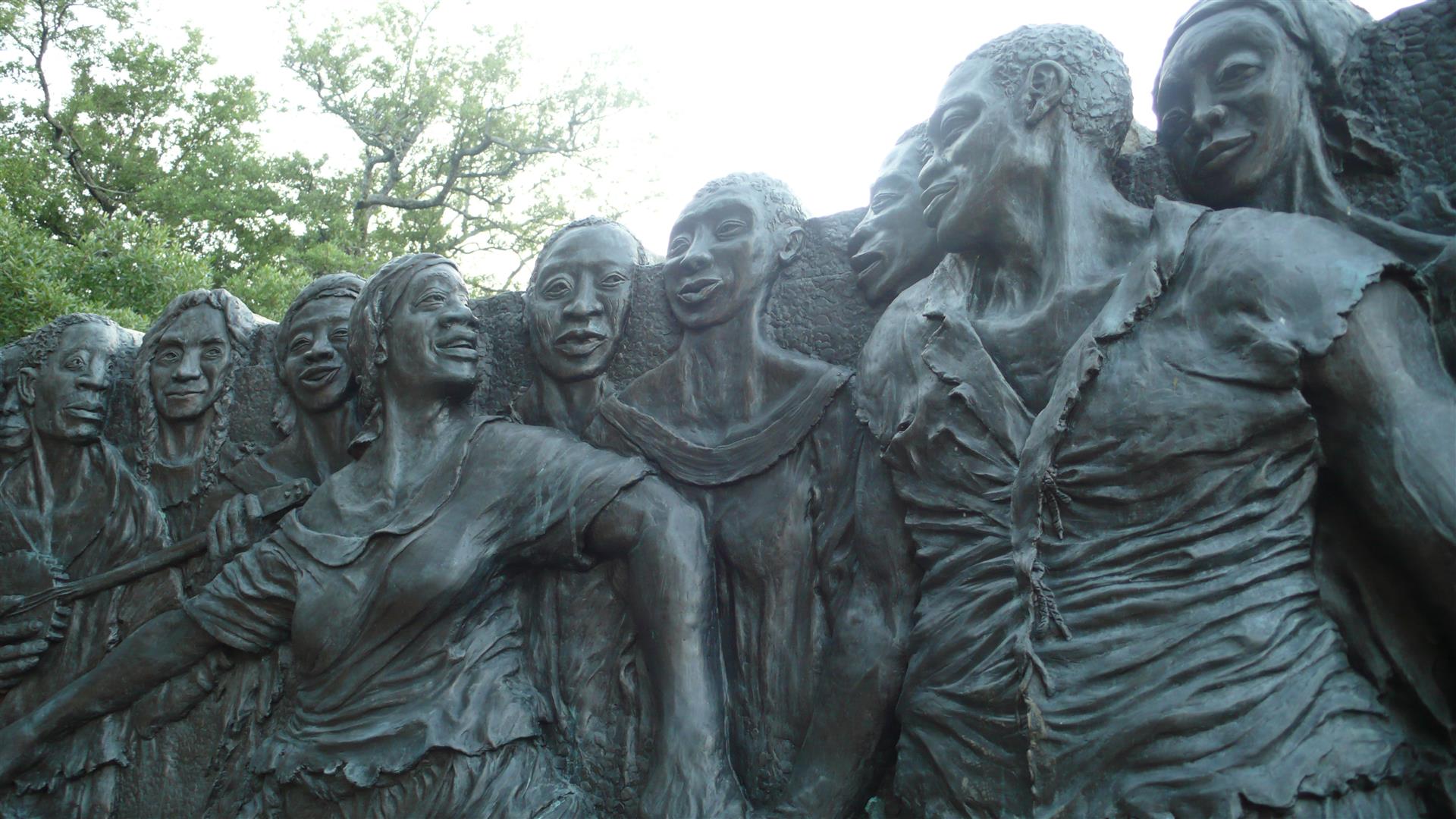
Memorial at Congo Square, New Orleans.


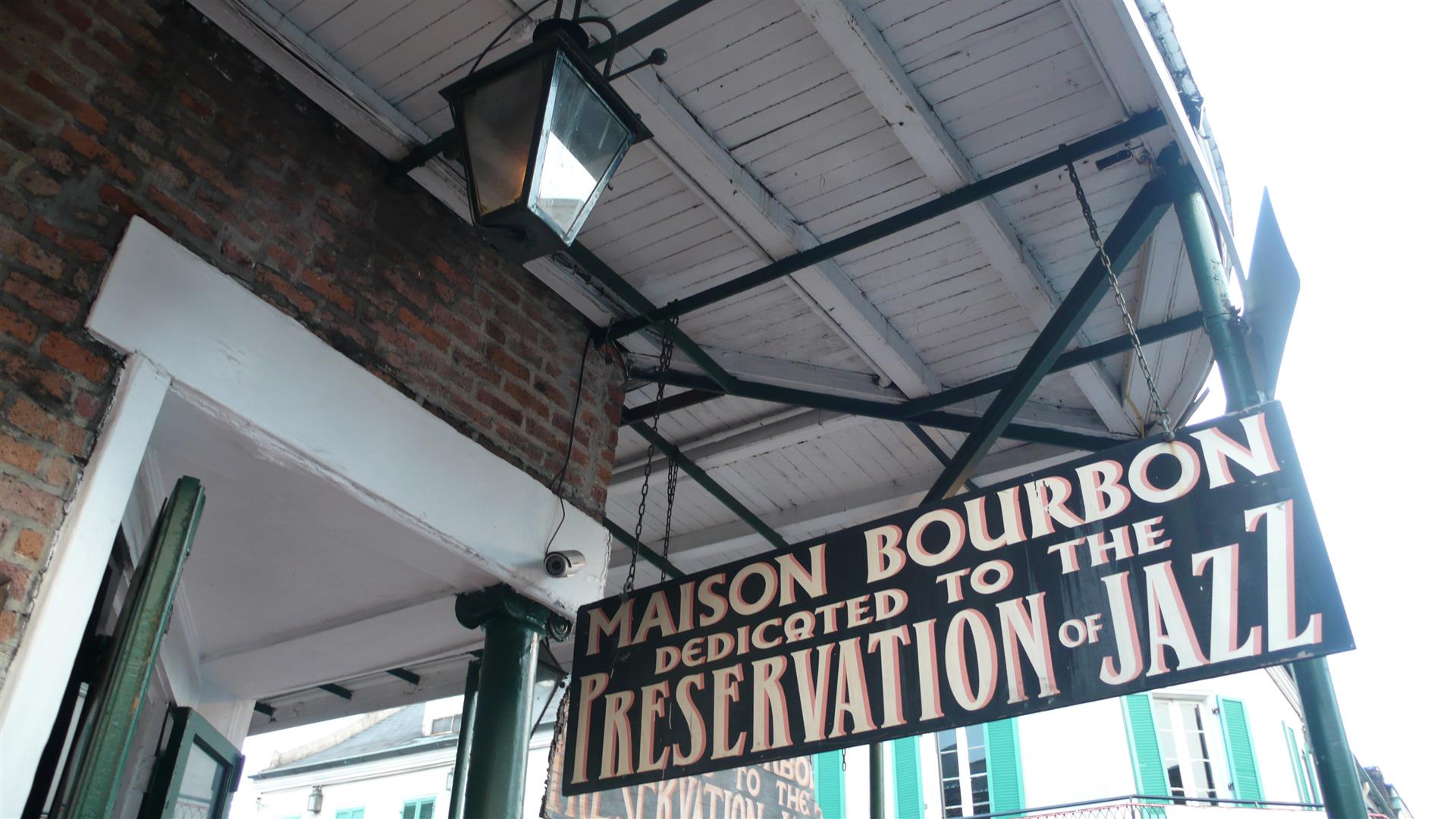
Some small excursion into the history of Jazz.
At Congo Square where slaves gathered to sing and dance from the late 18th century onward, is considered the „birthplace“ of Jazz. There ex-slaves adapted the reed, horn and string instruments used by the city’s often French speaking creoles – who themselves preferred formal European music – to play their own African-influenced music.
The first variation was ragtime, beginning in the 1890s. Soon followed Dixieland Jazz, especially on New Orleans’s red-light district. Coronet player Buddy Bolden is credited with being the first true Jazz musician, although pianist Jelly Roll Morton liked to say that he was the one who created Jazz.
In 1917 the red-light district shut down and many jazz musicians dispersed or left the city. In 1919, bandleader King Oliver moved to Chicago, and his star trumpet player, Louis Armstrong, soon followed. The 1920s and 1930s are known as the Jazz Age.
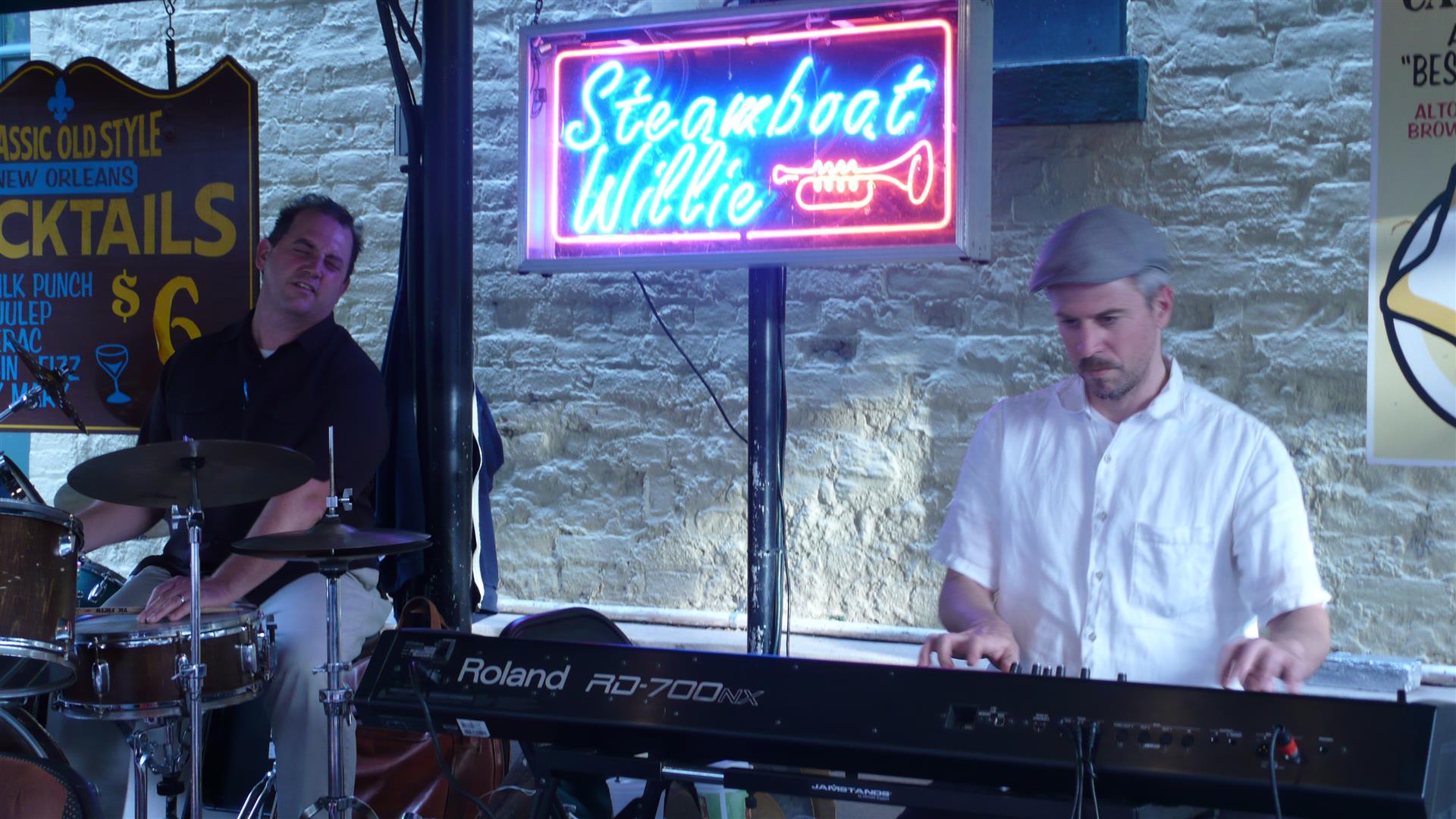
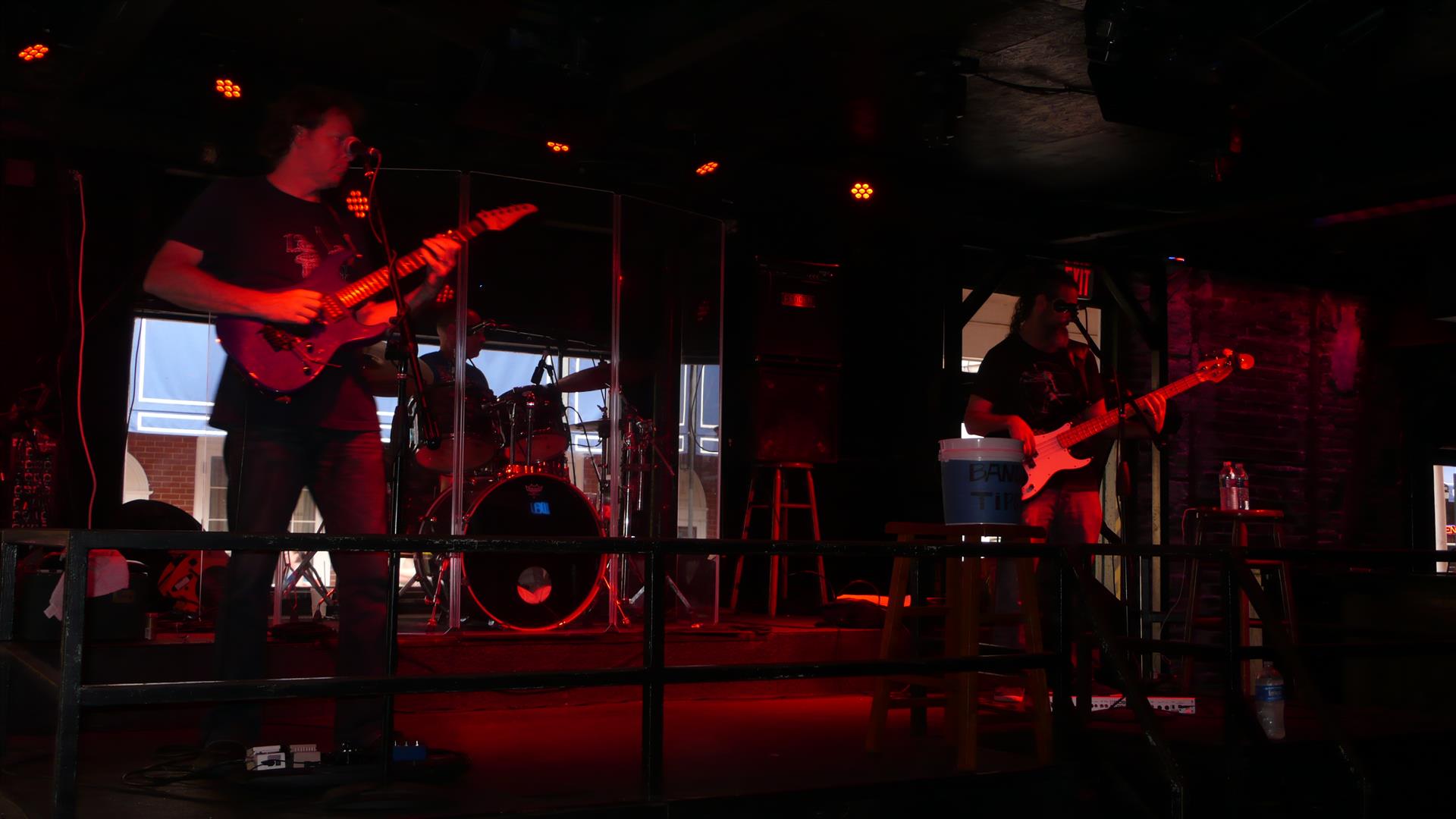


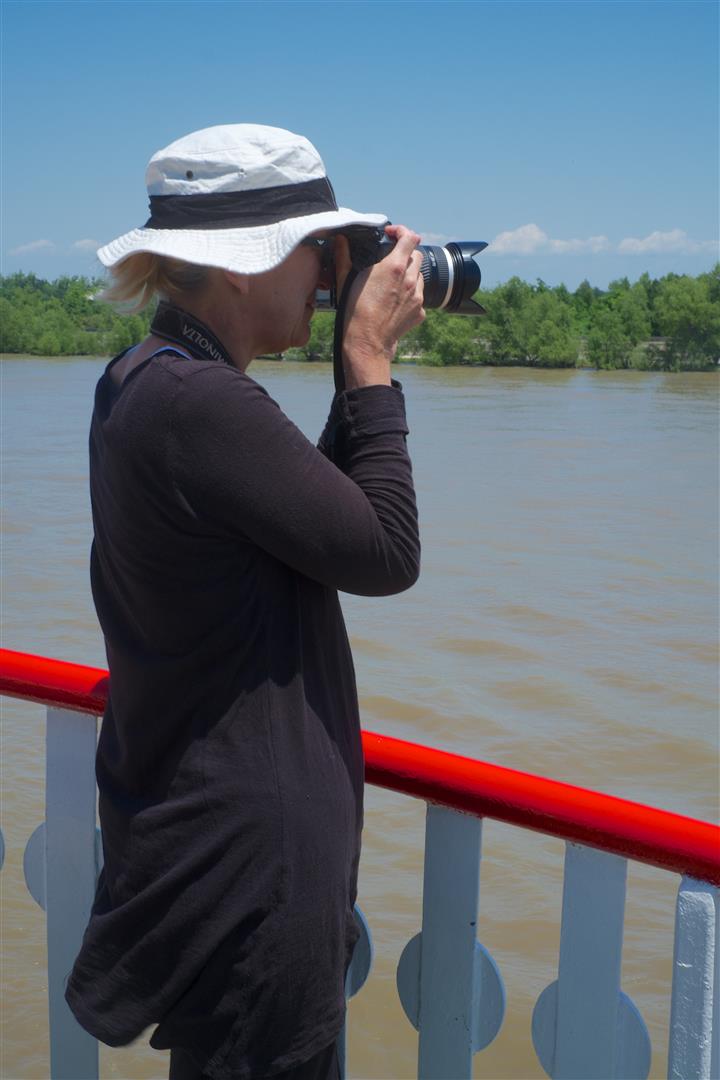
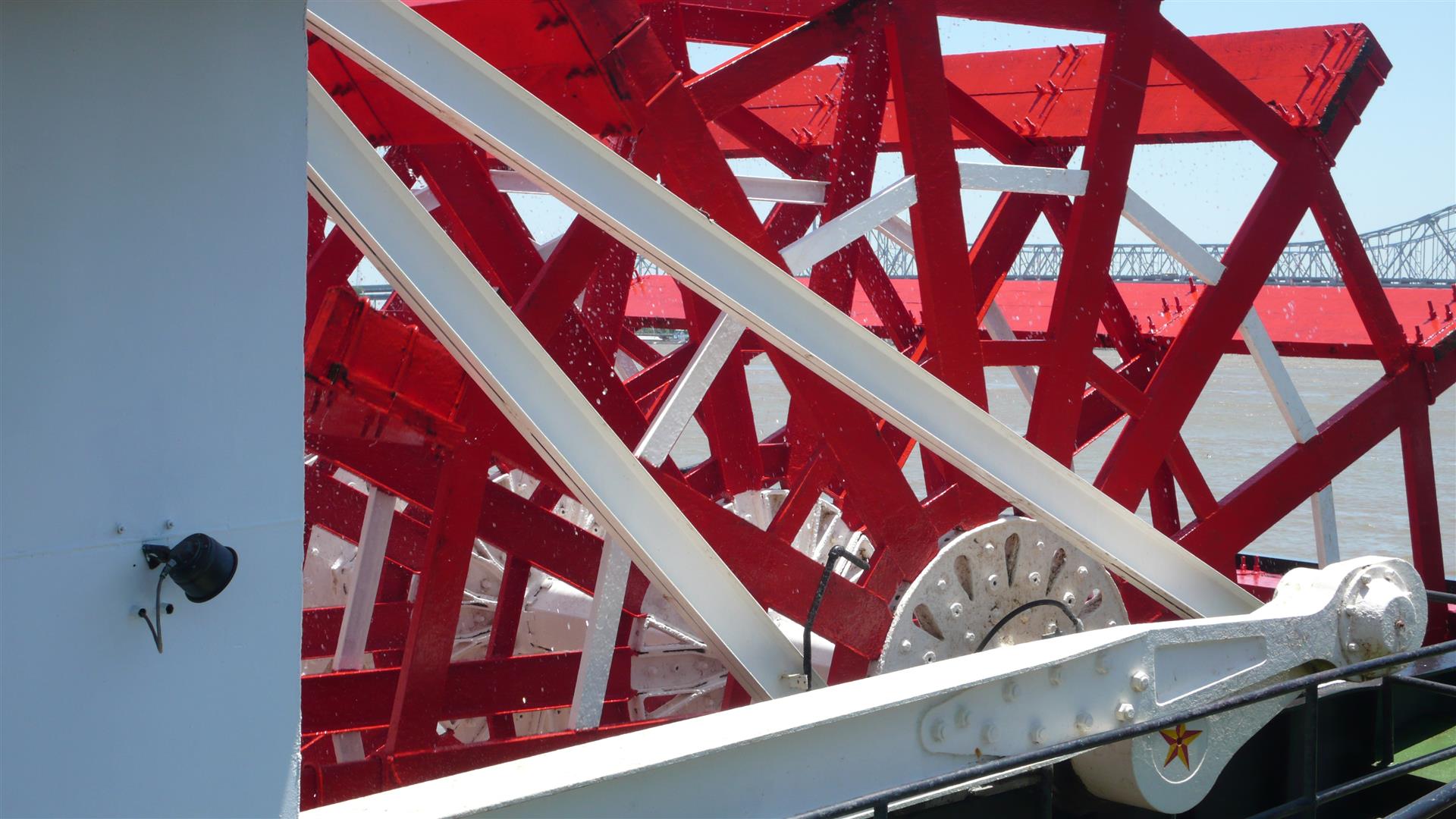
Somehow it is a must: Once in a lifetime boarding a steamboat along the Mississippi river. I did it the second time. Years before Katrina hit the place I had been here.
I toured the US then as a student with months long holidays. Was fun! Giving it now another try. On board of the Natchez, a steam boat. But: Too many tourists, too crowdy, too much noise. Have in mind the atmosphere from long ago. Well, that was in another life!


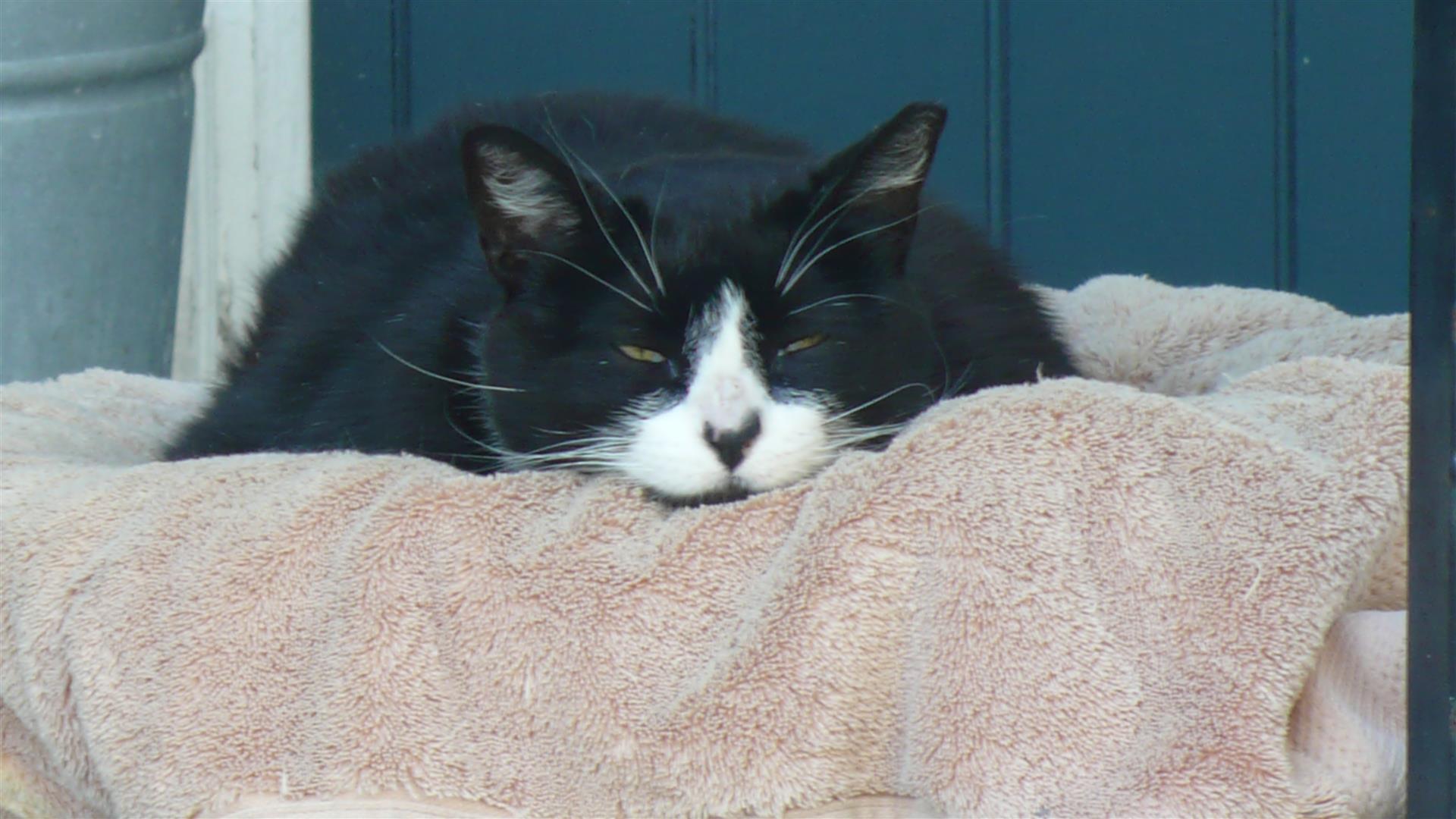
Chillen.


