Er funktioniert – kein Scherz!
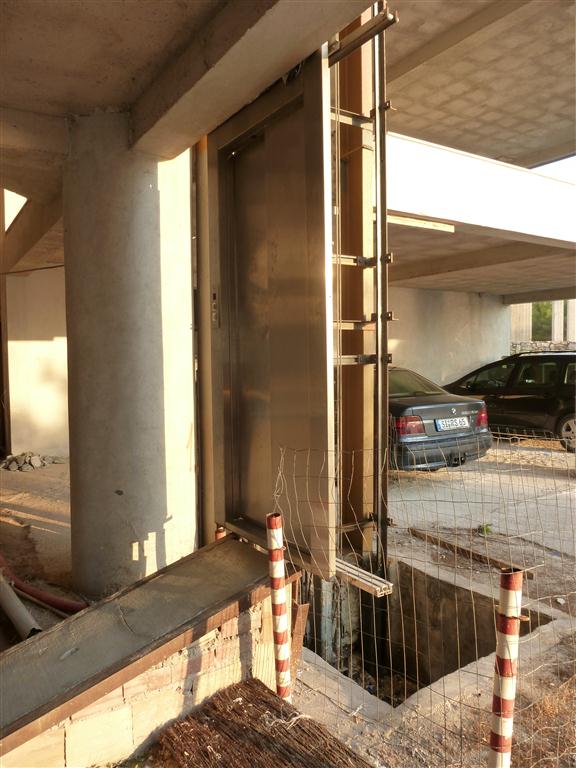 Sarande/Albanien/September 2012

Er funktioniert – kein Scherz!
Sarande/Albanien/September 2012

„Unser Leben ist eine einzige Reise, von der Geburt bis zum Tod.
Die Landschaft ändert sich, die Menschen verändern sich.
Unsere Bedürfnisse wandeln sich.
Aber der Zug fährt immer weiter.
Das Leben ist dieser Zug, nicht der Bahnhof.“
Paulo Coelho


 September 2012
Croatia
Dubrovnik
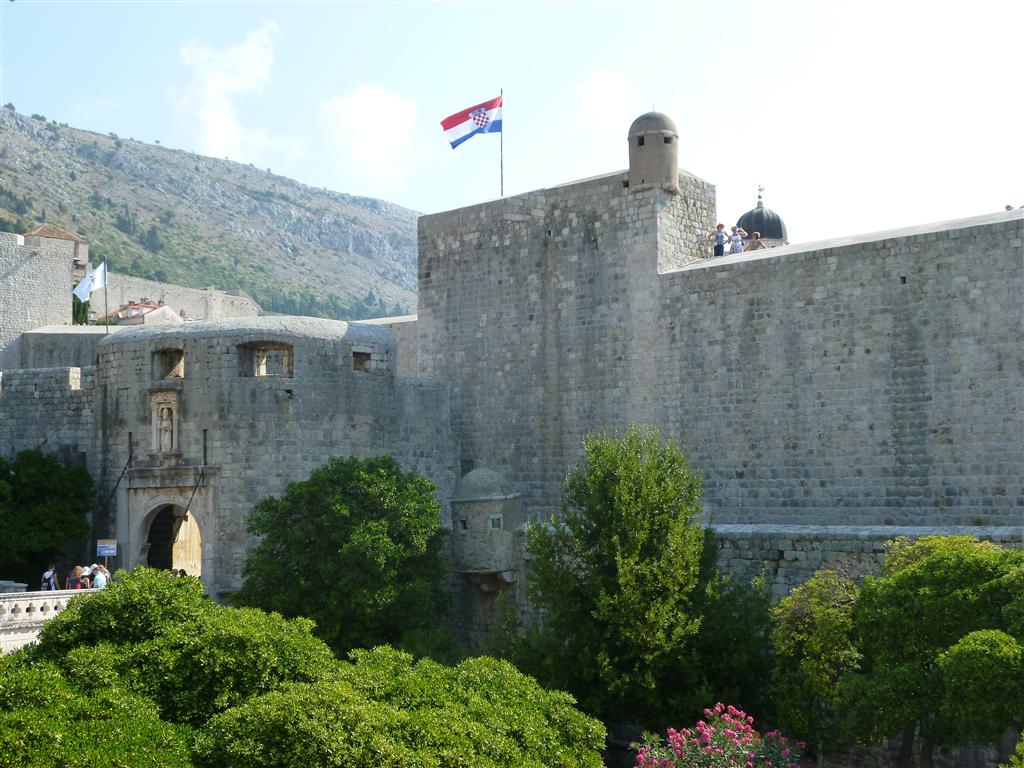
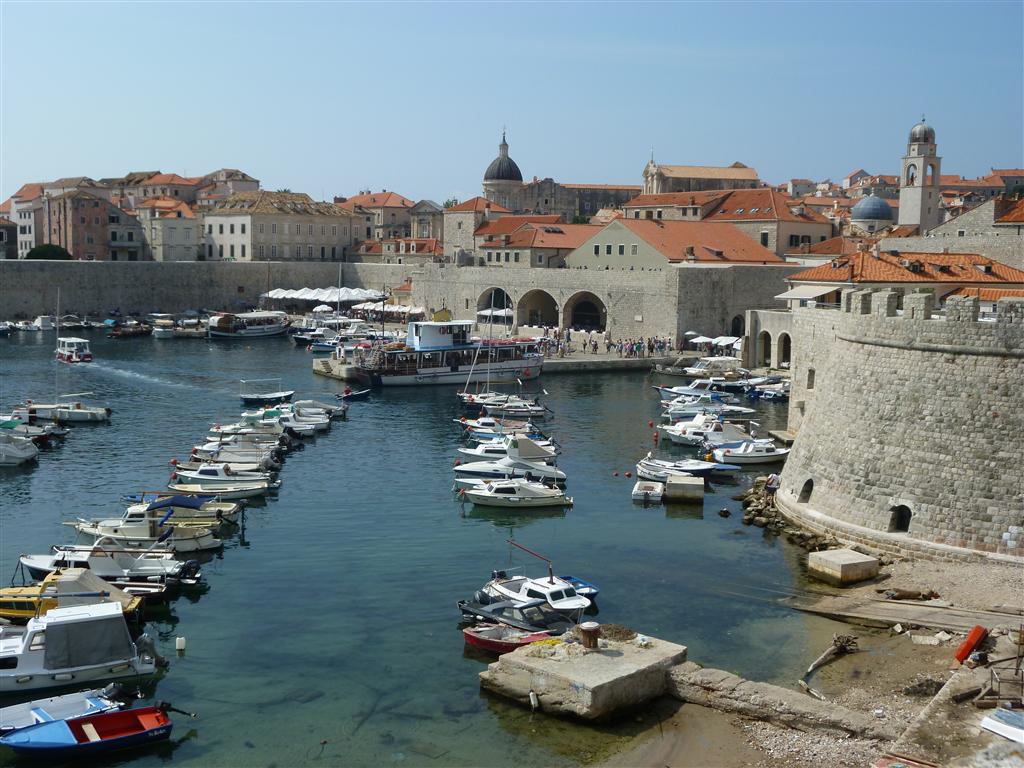
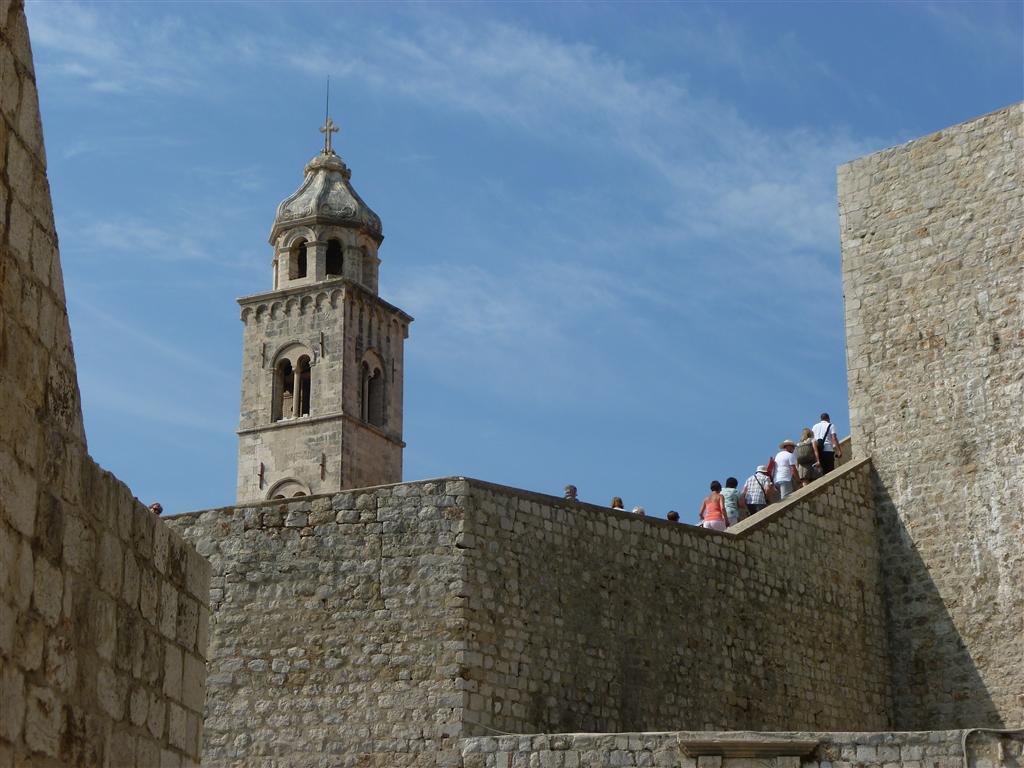
This time on our way back we spent some time in Dubrovnik. It is easy to understand why the people of Dubrovnik are proud of their city – about 20 years after the war, which destroyed many buildings of the city.
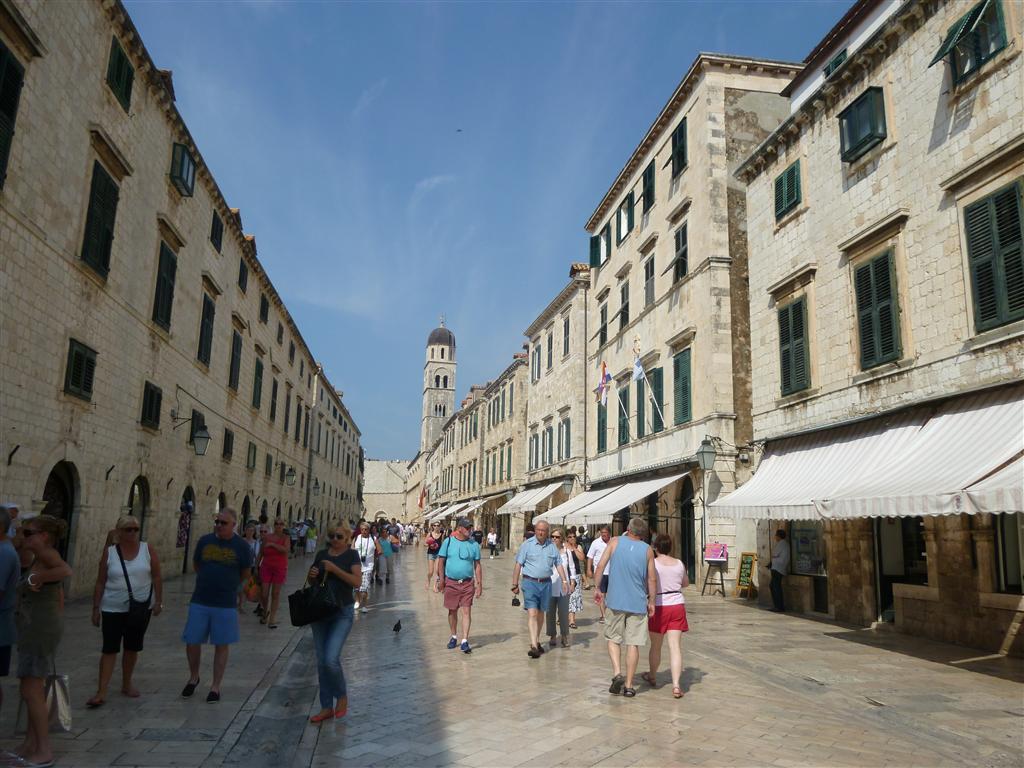
In former times it was first of all a refugee colony for the people of Epidaurum (today’s Cavtat, a small beach town further south), who fled from invading Avar and Slav tribes. At that time the land south of Stradun, as the main thoroughfare through the Old Town is popularly called, was an island, offering some protection from attack, but, of course, the walls began to rise giving those first fearful citizens their shelter. That was back in the 7th century. At that time, these lands were under the protection of Byzantium. Following the Crusades, Venice took over, and then the Croatian-Hungarian kingdom. But in the 14th century, by the force of skilled diplomacy, the nobles of Dubrovnik bargained their freedom, and this became a city-state which flourished for four centuries, maintaining independence from feared invaders such as the Turks, and, indeed, cultivating profitable relations with them.
The skill of the people of Dubrovnik in trade and in many other areas led to this tiny city state, then known as the Republic of Ragusa, becoming such a powerful force in the Adriatic, that it seriously rivalled Venice’s dominance in the region. By the way, did you know that the famous Italian fashion designer Ottavio Missoni was born here in 1921? And during the heyday of the city’s development, art and culture flourished, leading to a love for harmony, a love for music, and a love for literature which much shaped the language of Croatian that we can hear today.
One of the oldest European synagogues
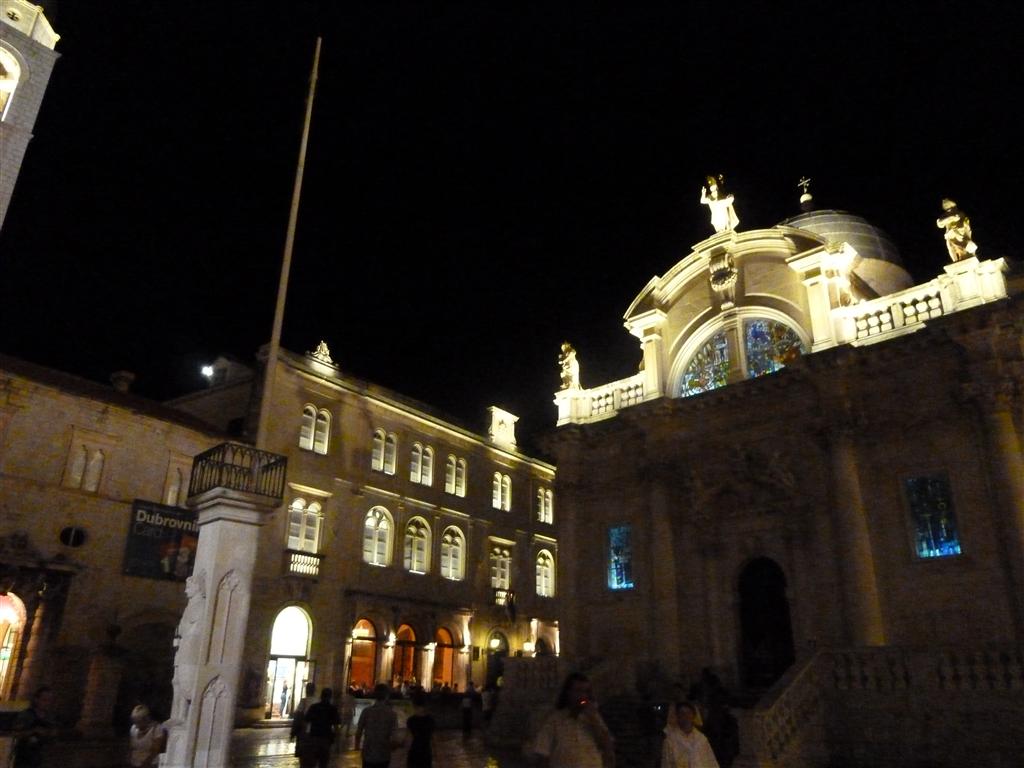
With every step in the old town we got the feeling of being in a living museum. Not in vain the city is today a famous World Heritage site. A rather liberal political system, for example, abolished slavery at a very early stage in 1418. And alongside with respect for humanitarian concerns came the love for freedom. Here you will often see the word “Libertas”, emblazoned on everything from flags to the sides of buses. It’s hard to believe that this freedom of the tiny Republic of Ragusa, and this economic and political power lasted all the way to the beginning of the 19th century when the Dubrovnik nobles were tricked by Napoleon to letting his armies into the city in 1806. So it is no surprise that the sense of individuality and collective pride is still so strong.
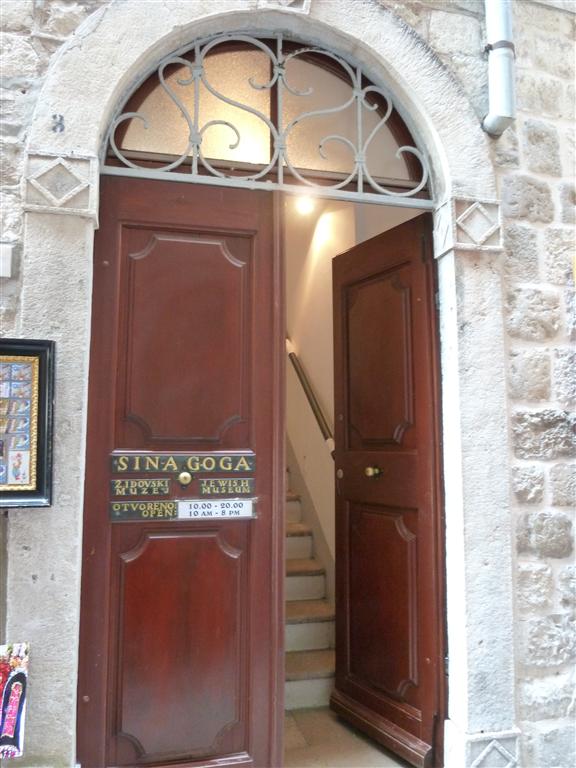
Did you know that one of the oldest synagogues in Europe is located in the heart of Dubrovnik’s old town? Jews came to Dubrovnik in the 15th century and made an important cultural contribution to the development of the Republic.
Royal romance and famous nudist beach
One of the greatest romances of all time once happened here. King Edward VIII and his true love Miss Wallace Simpson spent time cruising around the Adriatic Sea and Dubrovnik was their favourite destination. In 1936 the yacht Nahlin was chartered by King Edward VIII and used by him and Miss Simpson during a cruise in the Adriatic Sea. The yacht was later sold to the Royal Family of Romania for 120.000 Pound and renamed “Libertatea”. During their cruise of the Croatian Adriatic the Nahlin was accompagnied by the British Royal Navy destroyer HMS Grafton and HMS Gloworm.
The famous couple can also claim to have brought nudist tourism to Croatia. During their cruise they stopped at the island of Rab where the King obtained a special permission from the local government to swim without clothes. The permission was granted and nudist tourism was born in Croatia. In fact, the same beach was named by CNN as one of the top ten nudist beaches in the world.
Returning from the 1936 Adriatic cruise the King faced criticism when he announced he would marry Miss Simpson. Choosing not to end his relationship with Simpson, Edward abdicated, meaning that his reign of 326 days is one of the shortest of any British monarch.

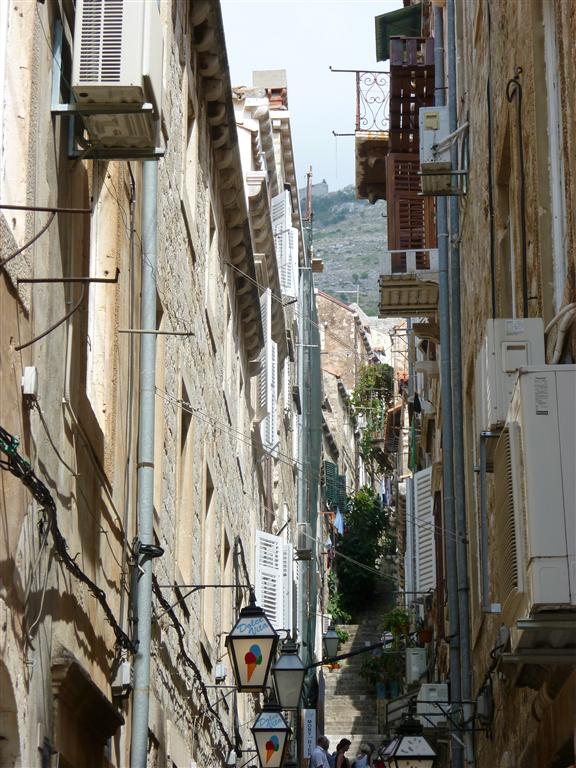
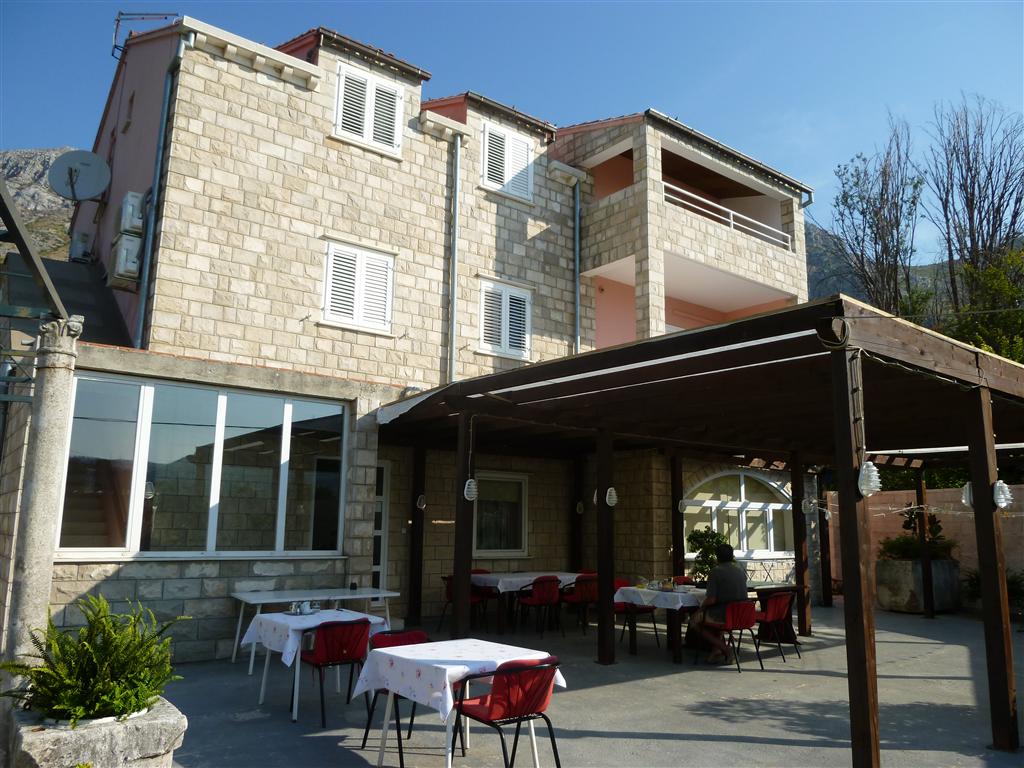
We enjoyed our stay in a nice small hotel outside the buzzling town of Dubrovnik. The Villa Konalic (My recommendation: www.villa-konalic.com) is located in the suburb of Moskovica, about 20 minutes by bus from the old town, and pleasantly located at the banks of a sidearm of the Adriatic sea. Hotel Manager Jasna is the good soul of the house. Just a great and economic place when you want to discover Dubrovnik.
 The island of Korcula
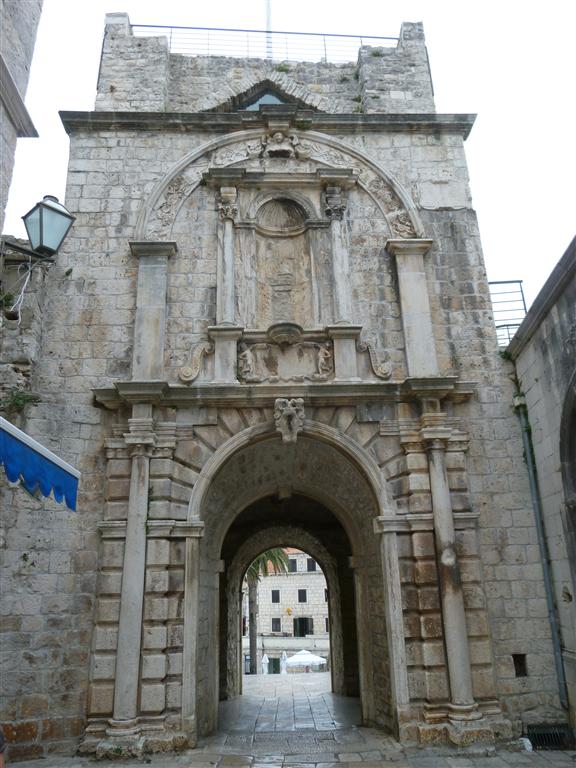
The island of Korcula is well known for its olive trees and vineyards. 60 % of the island is covered with forest and macchia. The beaches are small and mostly stony. Venice influenced the style of the houses, especially in Korcula-Town with its churches and palaces.

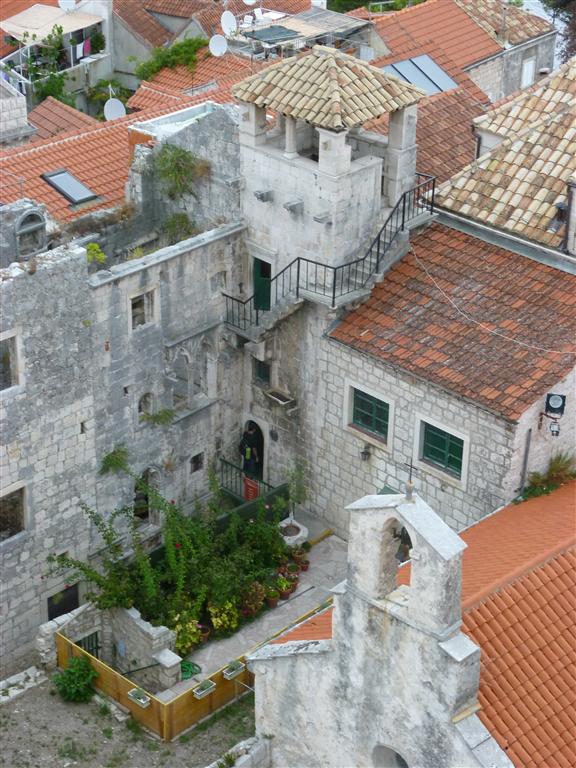
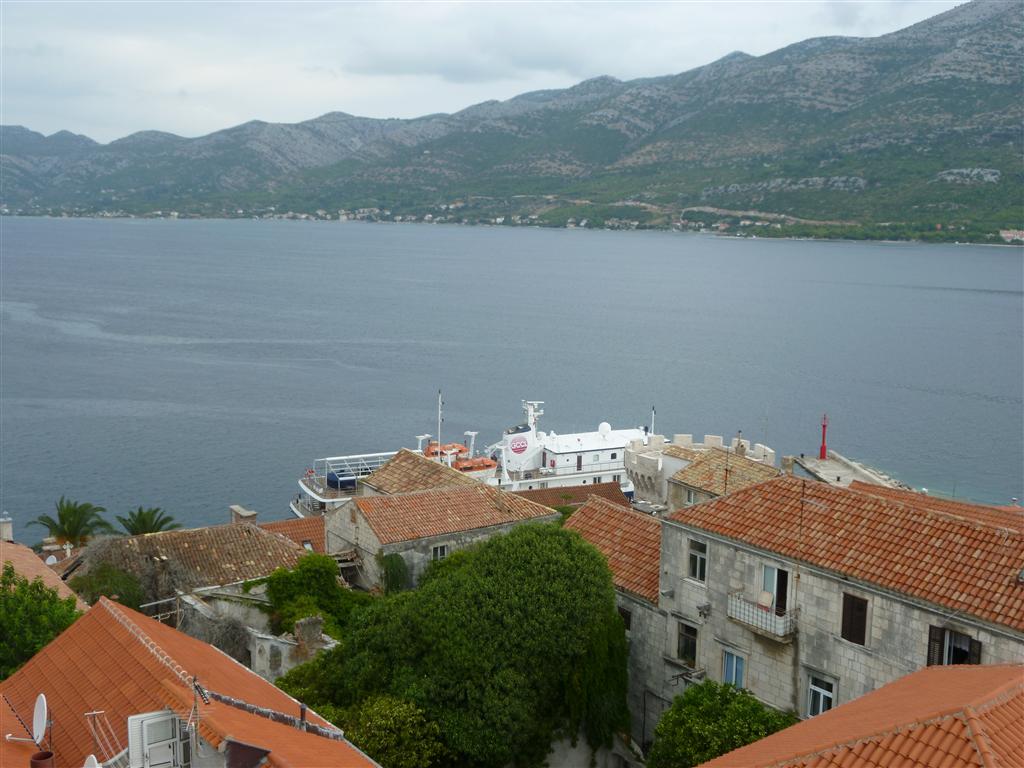
Lumbarda
We stayed at the small village of Lumbarda near Korcula-Town. The first time of this trip we got rain. Therefore no sunbath at the beach but a trip around the island.
Vela Luka
Back into history
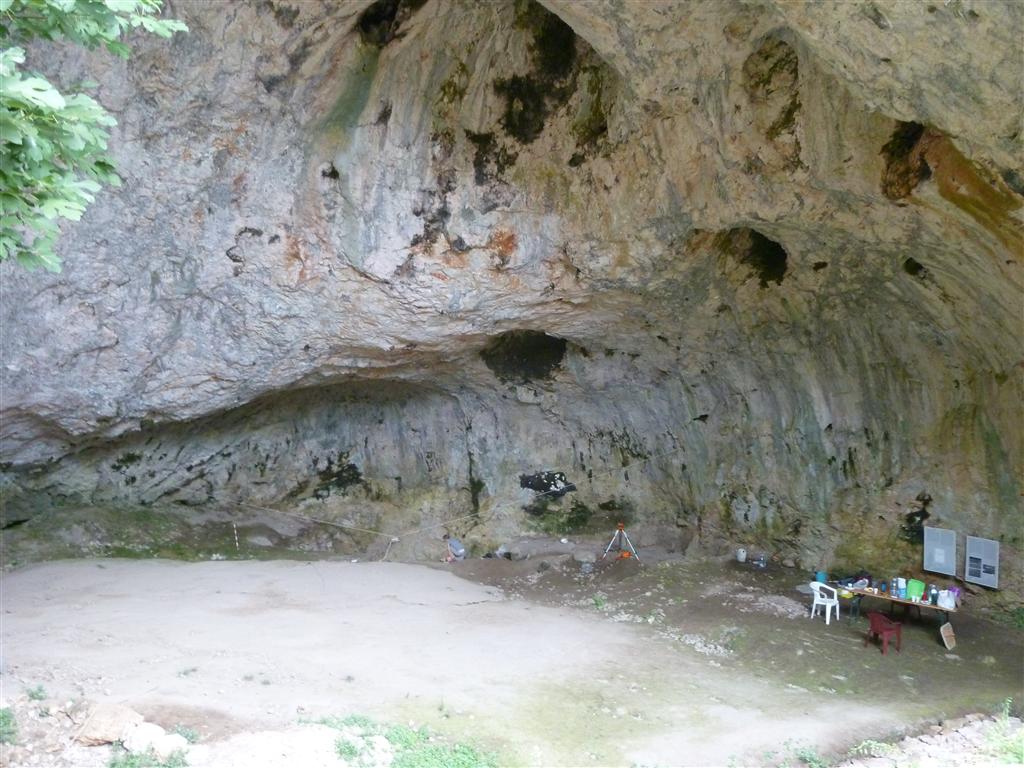
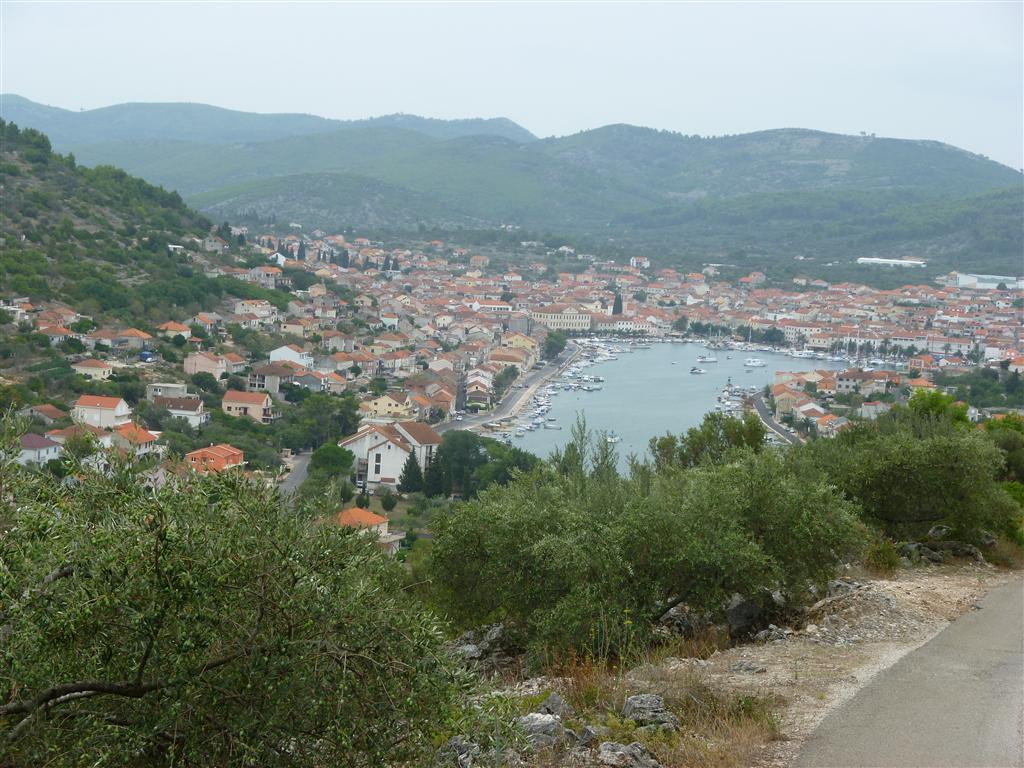
Vela Spila, an archaeological site near Vela Luka at the other end of the island, is the most significant prehistoric archaeological site in the Mediterranean region. The Cave interior measures about 1.500 square meter and only a small part has been excavated by now. The continuous inhabitation has been established from the culmination of the last Ice Age (18.000 B.C.) to the middle Bronze Age (2.000 B.C.), and every now and then to the newer times. We talked to an archaeologist who was just working at the site. She was happy about the progress of the excavations and said, that even The New York Times reported some days ago about their latest artefacts found in the earth. The amount of artefacts, their importance, and diverse and prolific ornamentation defines Vela Spila as one of the basis of the contemporary civilization. We went there by car, but it is also possible to walk or ride a bicycle. For sure you will be rewarded with a wonderful view to the bay of Vela Luka, which is a nearby small town and ferry destination.
A small excursion into the world of Croatian wines
Now some information about Croatian wines, especially those from Korcula. Compared to the rest of the region of Dalmatia, which is known for its red wines, the island of Korcula is known for the quality of its white wines, particularly for Grk, which is grown at the hills of Lumbarda, and for the Posip and Rukatac grown in the central region of the island. The most popular red wine is Plavac Mali.
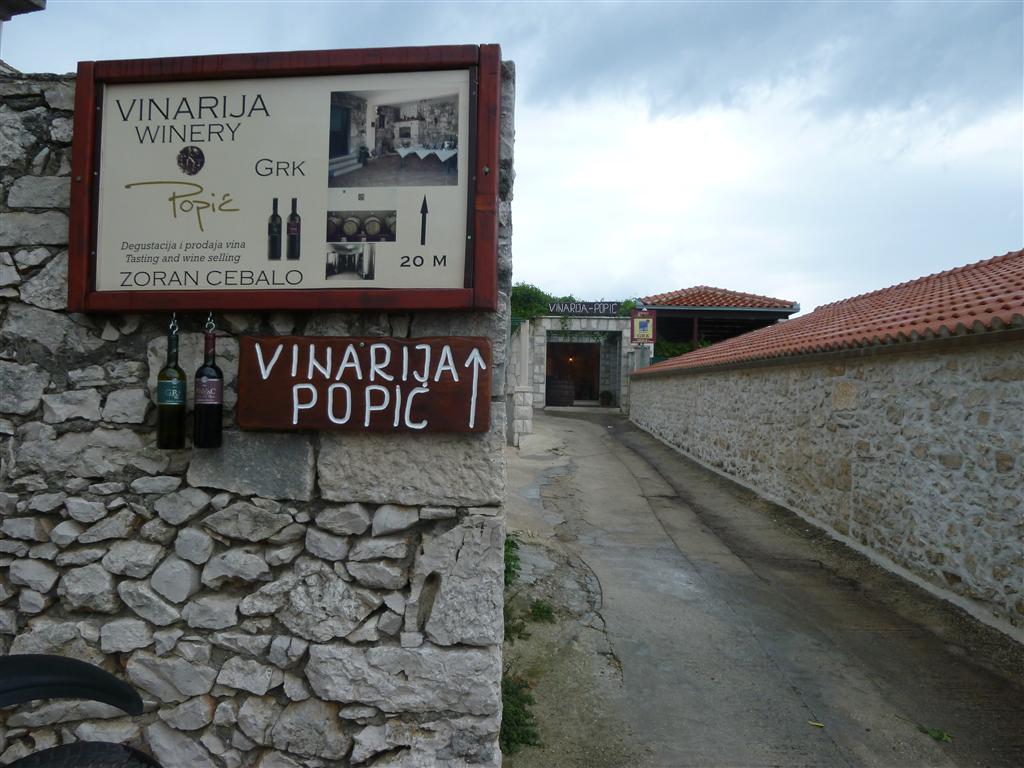 For wine lovers some more details. By the way, Grk is my favourite white wine!
White wine
Grk (white wine): Lumbarda is renowned for its Grk, made from the identically named indigenous type of grapes which grow well in the sandy wineyards of the village. It is not known whether Grk got its name from its refined bitter taste (grk means bitter in Croatian) or from the Greeks, who established a settlement in the area back in the 3rd century B.C. An archaeological monument from that period, the Psephism, records the foundation of Lumbarda and the early years of its wine-growing and wine-making already 2.300 years ago.
The result of this wine-growing tradition combined with modern technology and oenology is a dry wine, which is recognisable by its lightgreen-yellow colour with golden reflections. It has a rich, harmonious and well-rounded taste with a slightly bitter finish. It contains 12 – 14 % alcohol with relatively little acidity. The wine Grk goes best with all sea-food, as well as with white meat, but can also be served as an aperitif. It should be served cold at 12 – 13 degrees.
Red wine
Plavac Mali (red wine): Besides Grk, Lumbarda also grows Plavac Mali – a variety of red grapes chosen not only because it makes a good wine but also to help grow the Grk. Unlike most varieties of wines Grk has a female flower only, so to achieve fertilisation at the time of flowering it requires a pollinator which flowers at the same time.
Plavac Mali is an indigenous sort belonging to southern Dalmatia and Croatia’s most popular and best known wine abroad. Due to its high reputation for more than six centuries this wine used to obtain top prices among other Dalmatian wines. The best Plavac Mali comes from steep southern slopes – on the islands of Brac, Hvar, Korcula and Vis, and from those of the Peljesac peninsula. Lumbarda also produces a high quality. The dry wine from Plavac Mali grapes is dark red, even garnet colour, with traces of purple, and has a rich bouquet embedded in a cultivar aroma and a warm, full and well rounded taste. It contains 12 – 15 % alcohol. Plavac Mali goes well with dark meat, especially wild game, and also with fish and strongly flavoured quality cheeses. It should be served at 18 degrees.
The end of my South East European Travel Diary. Hope you liked it! Looking forward to your comments.
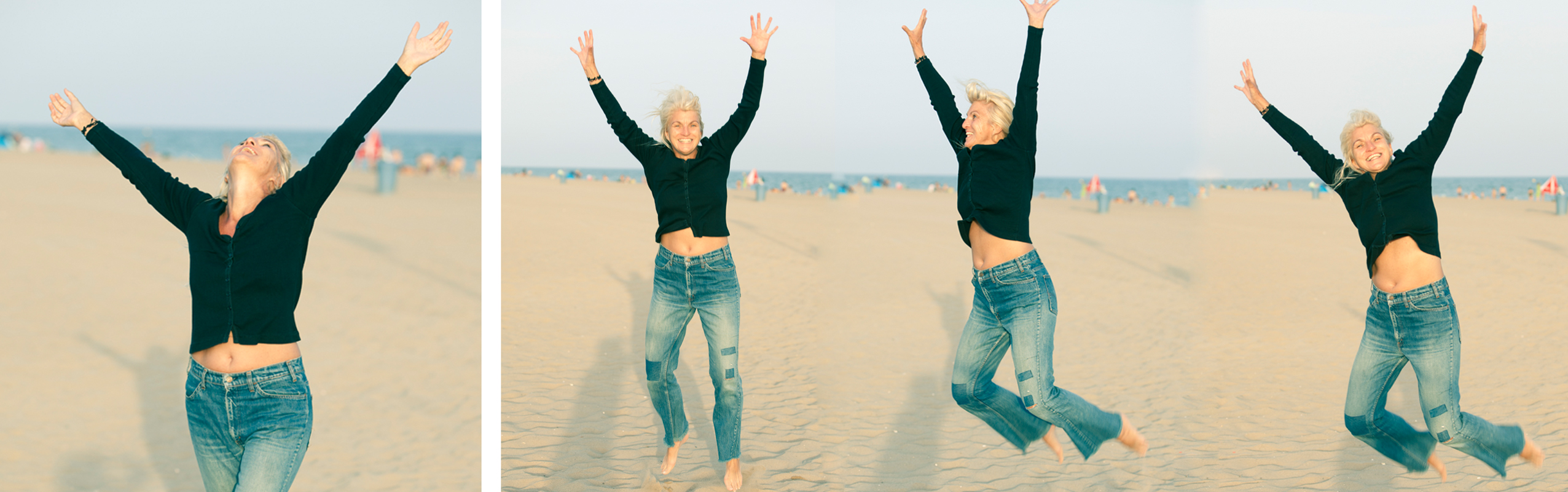
 Photo Collage Title: Nicola Mesken (www.nicola-mesken.com)
All other photos: sl4lifestyle
Travel Literature/Reiseliteratur

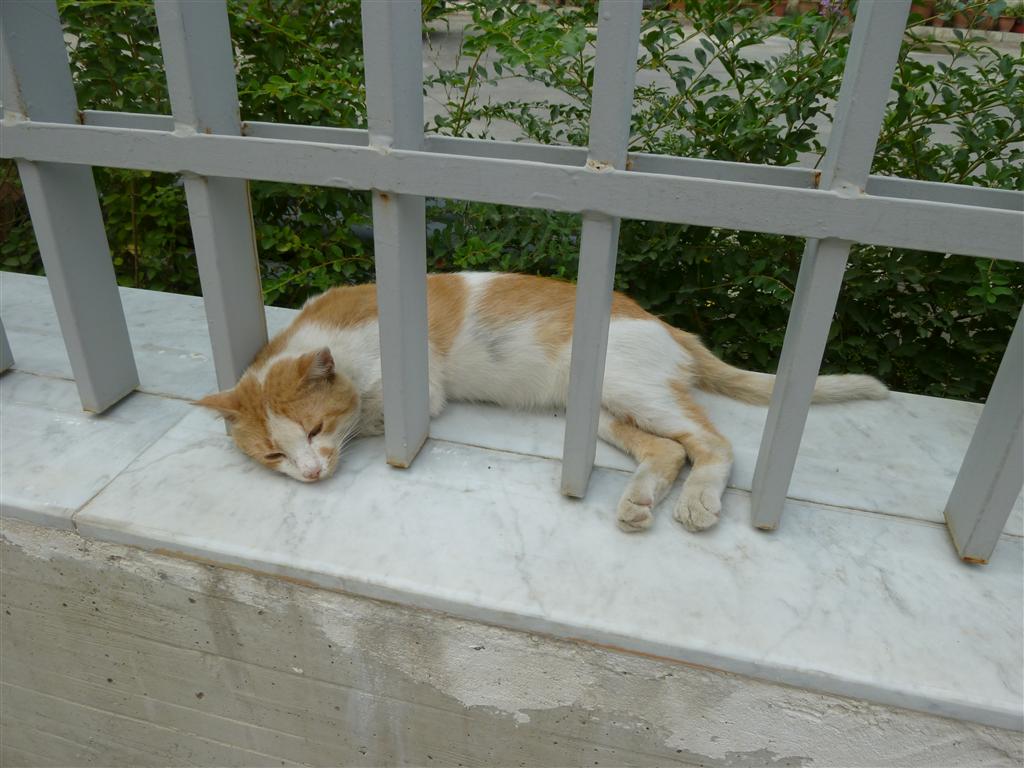
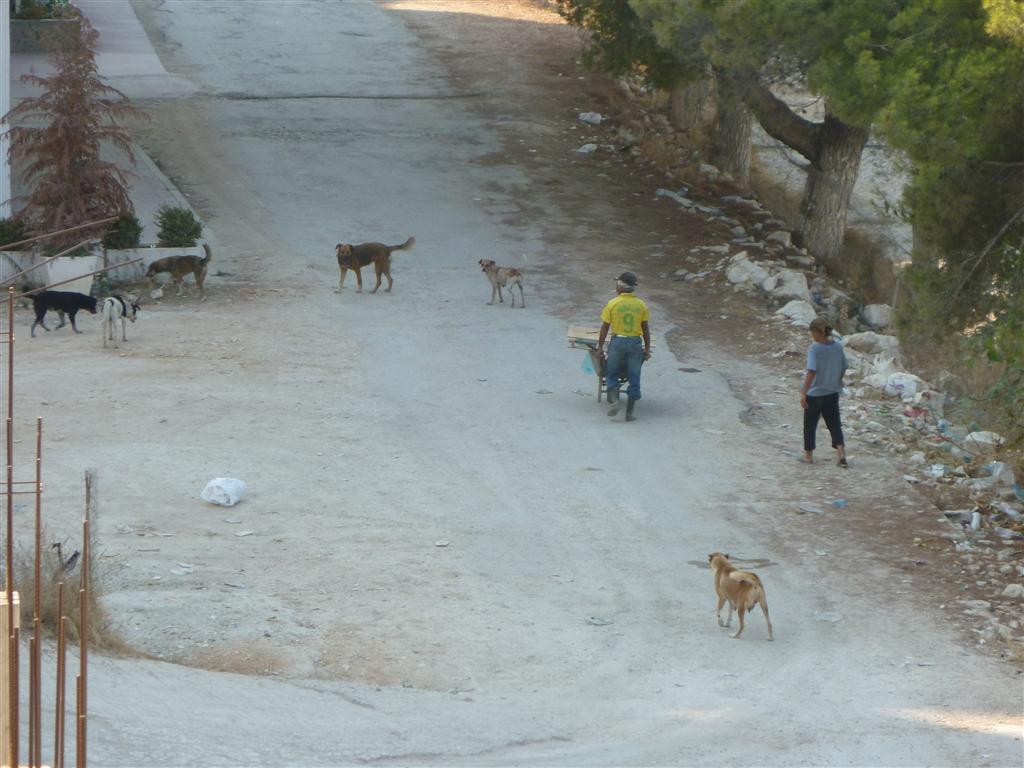
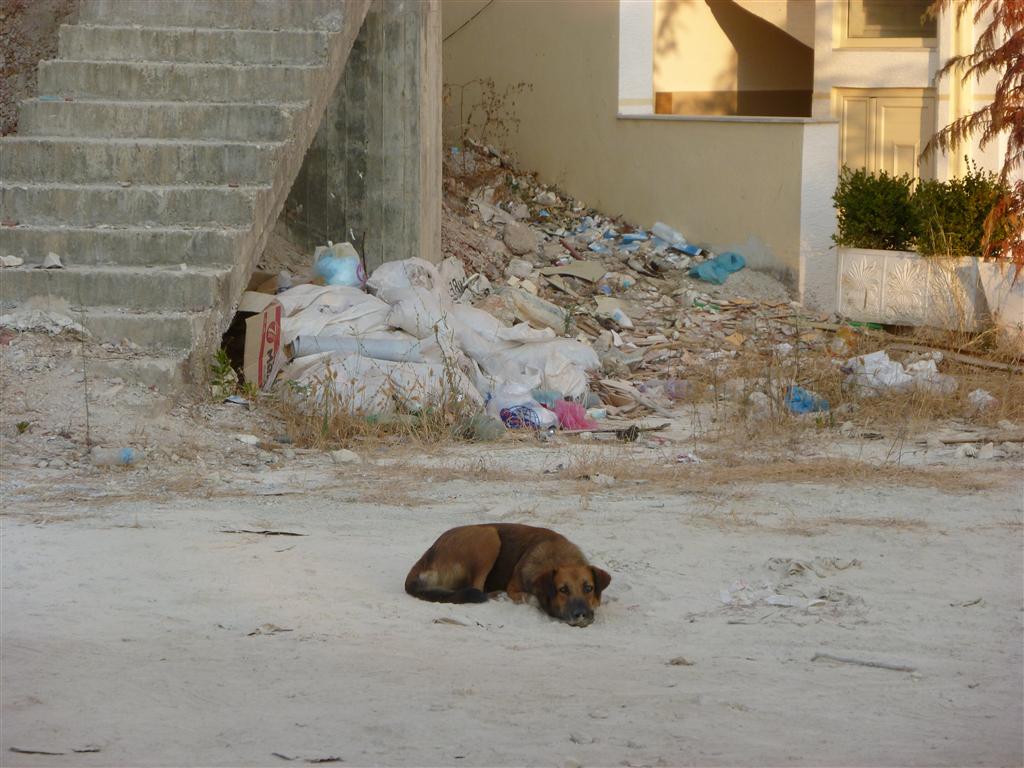
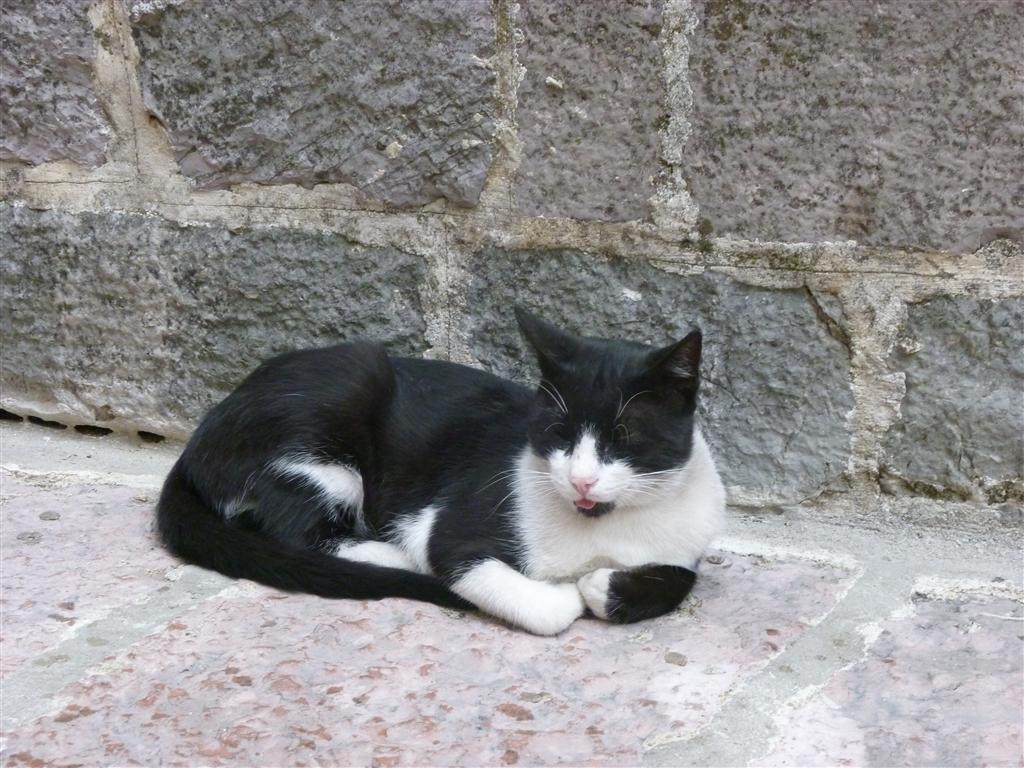
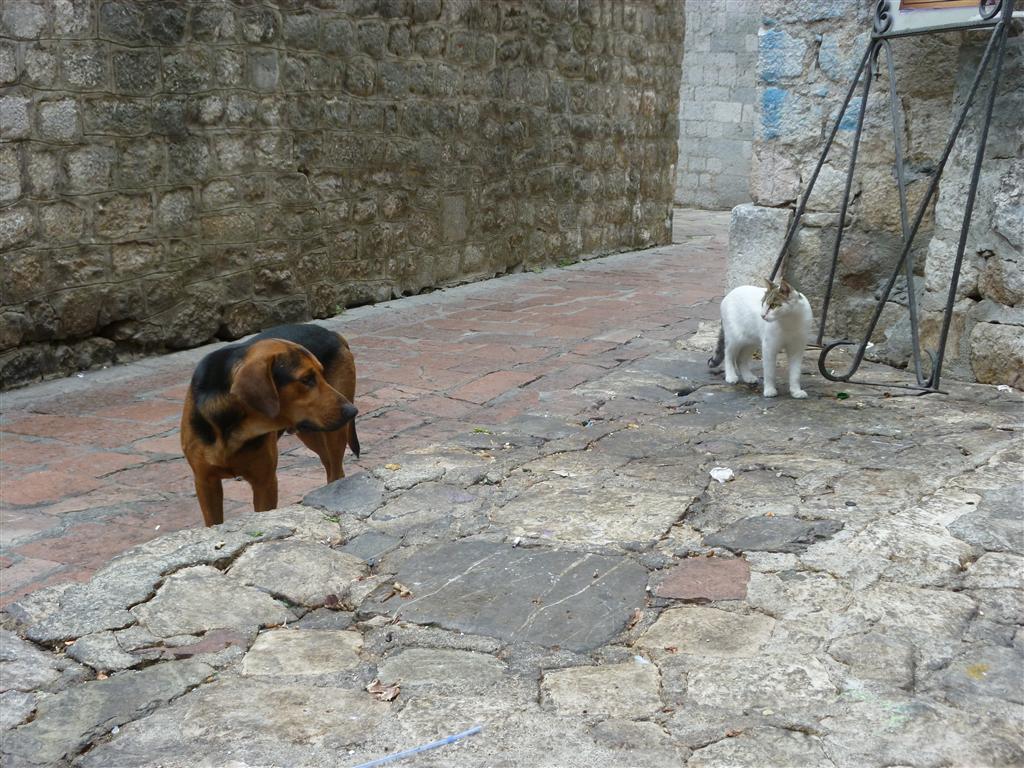
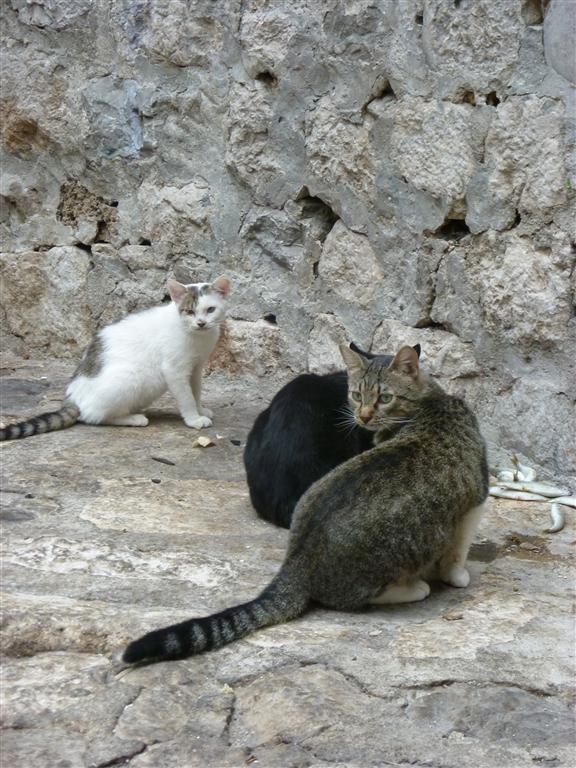
Immer wieder begegne ich auf meinen Reisen Straßentieren. Bis heute habe ich noch kein Tier erlebt, das auf meine Annäherung hin bösartig wurde. Im Gegenteil, die meisten von ihnen sind froh über menschliche Zuwendung, auch wenn sie sich nur auf Berührungen oder Futtergabe beschränkt.
Hier einige Vierbeiner, die ich auf meiner Reise durch Südosteuropa getroffen habe.
Albanien
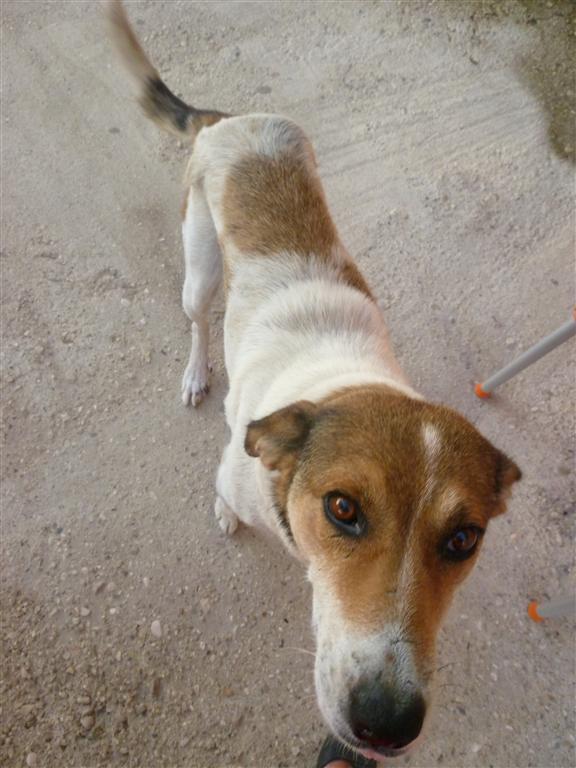
Montenegro
Ein kroatisches Kettenhund-Schicksal, gesehen bei Ston
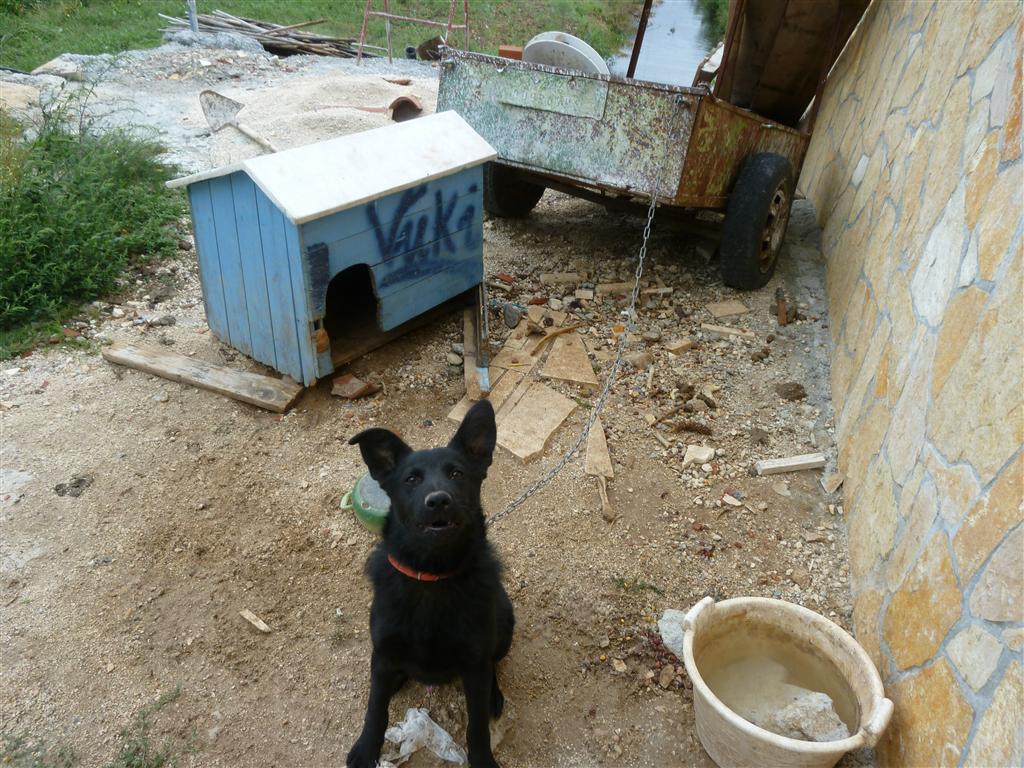
Tierschutzorganisation in Kroatien, die ich empfehlen kann:
http://www.tierhilfe-benkovac-zadar.de/
Unterstützung und Spenden:
http://www.tierhilfe-benkovac-zadar.de/unterstuetzung.html
Ich kenne keine Tierschutzorganisationen, die in Albanien und Montenegro tätig sind. Wer weiß etwas darüber? Schreibt bitte unter Kommentare.

Spanien gilt nach wie vor als eines der beliebtesten Reiseländer der Deutschen. Leider haben die wenigsten von den Reisenden eine Ahnung davon, was sich hinter dem Deckmantel von Sonne, Strand und Spaß abspielt.
Lest hier über das wahre Gesicht des begehrten Urlaubszieles!
Gestern, am 21. September, begann der Kälbermord in Algemesí (Valencia). Kälber, Stierkinder die in der Regel höchstens zwei Jahre alt sind, werden in der Festwoche vom 21. bis 30. September von “Möchtegern-Toreros” zu Tode gefoltert.
http://www.sos-galgos.net/2012-09-21/kalbermord-in-algemesi-der-mob-im-blutrausch.htm

 Wuff, hab mich doch gleich auf dem Foto wiedererkannt. Nur wegen meiner langen Ohren!! Vor ein paar Wochen in Simones Hundeschule.
Schaut mal nach, wie ich gerade die Ophelia anhimmle!
http://www.mydog-training.de/index-2.html#!prettyPhoto[prettyPhoto]/53/

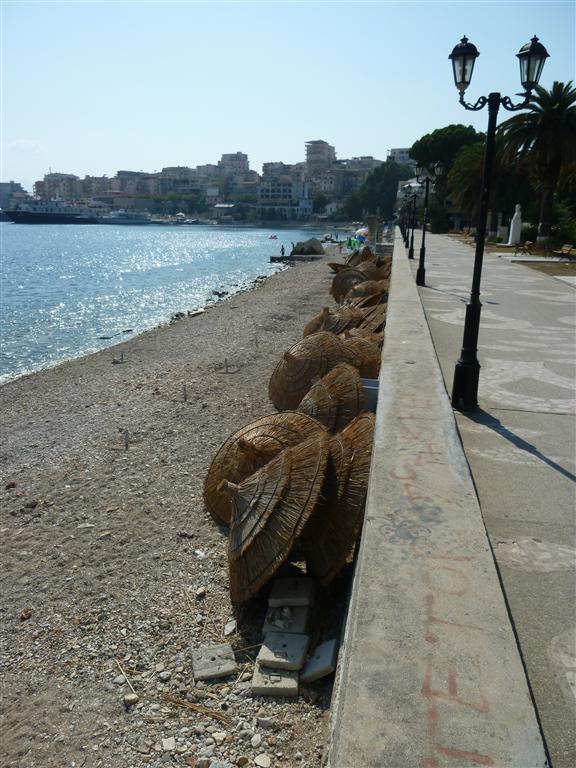 Summer – Bye bye! Gesehen in Sarande/Albanien.


September 2012
I won’t get too much into politics since I am writing a travel blog and my aim is to give you some insights in other countries, other cultures and different people. I try not to judge about the facts of living there. You should just enjoy reading my stories! Maybe I can inspire you for your own trip to the unknown and fascinating world outside of our daily and well known life. Let me know about it! By the way, your comments are appreciated!
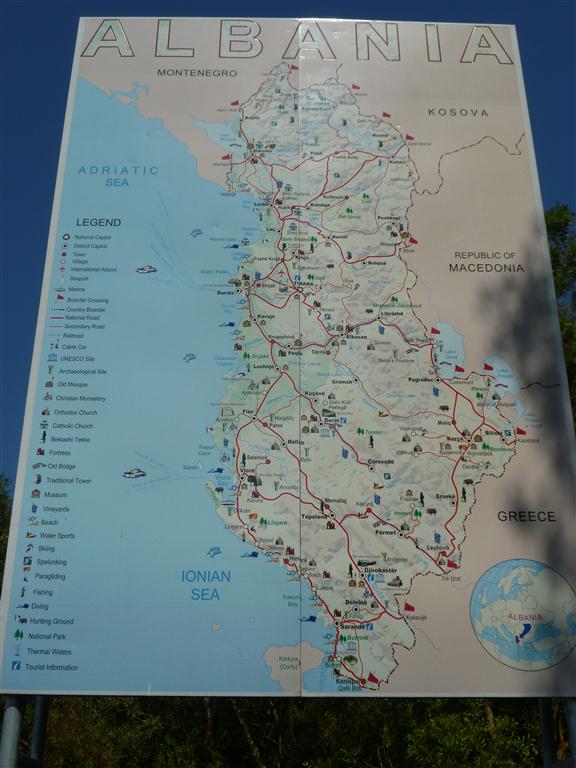
Albania
 Shkodra
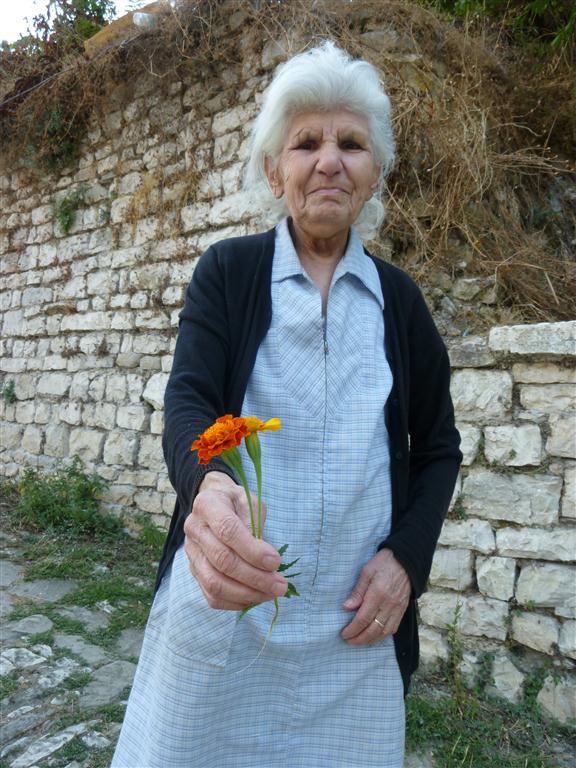
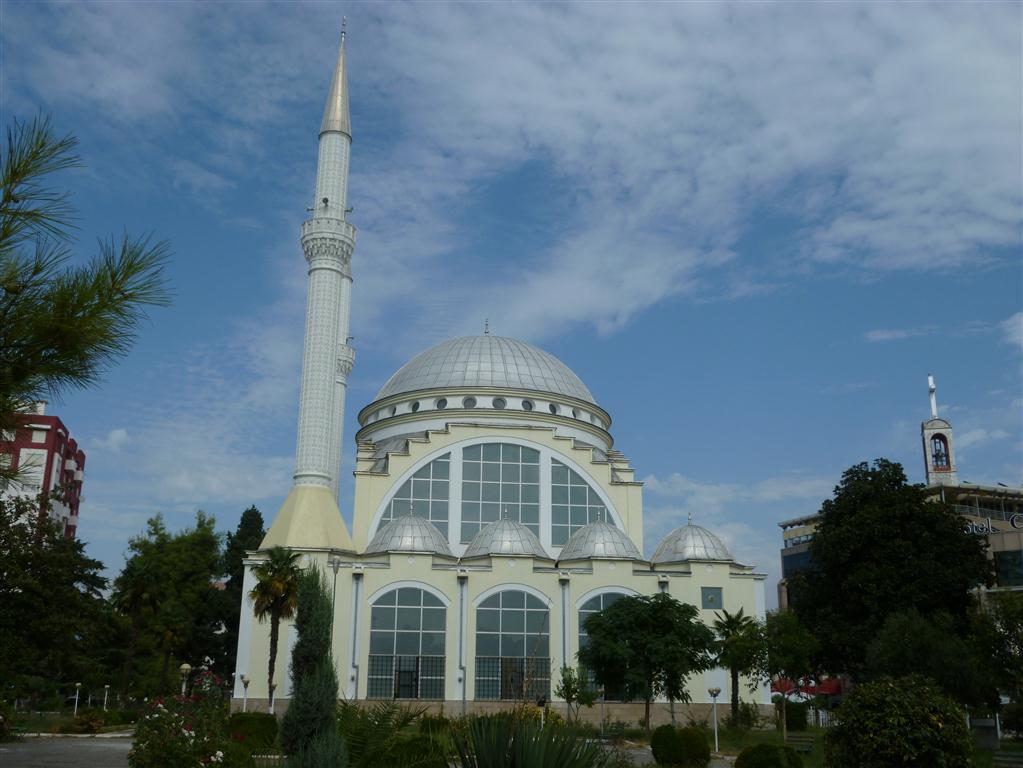
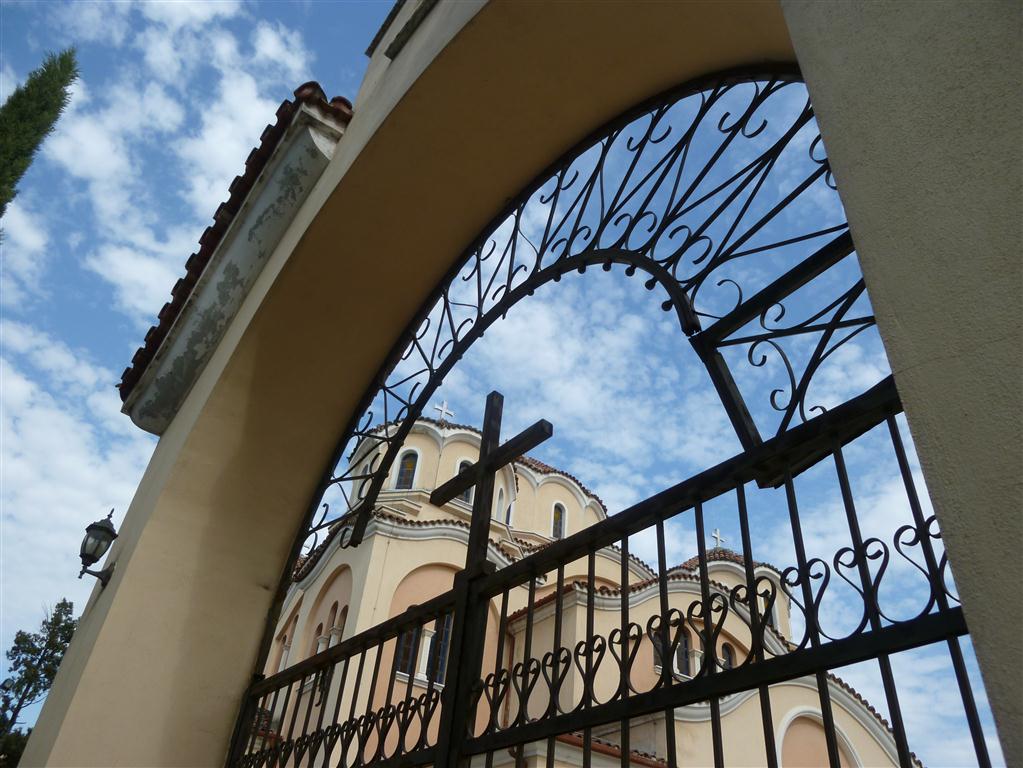
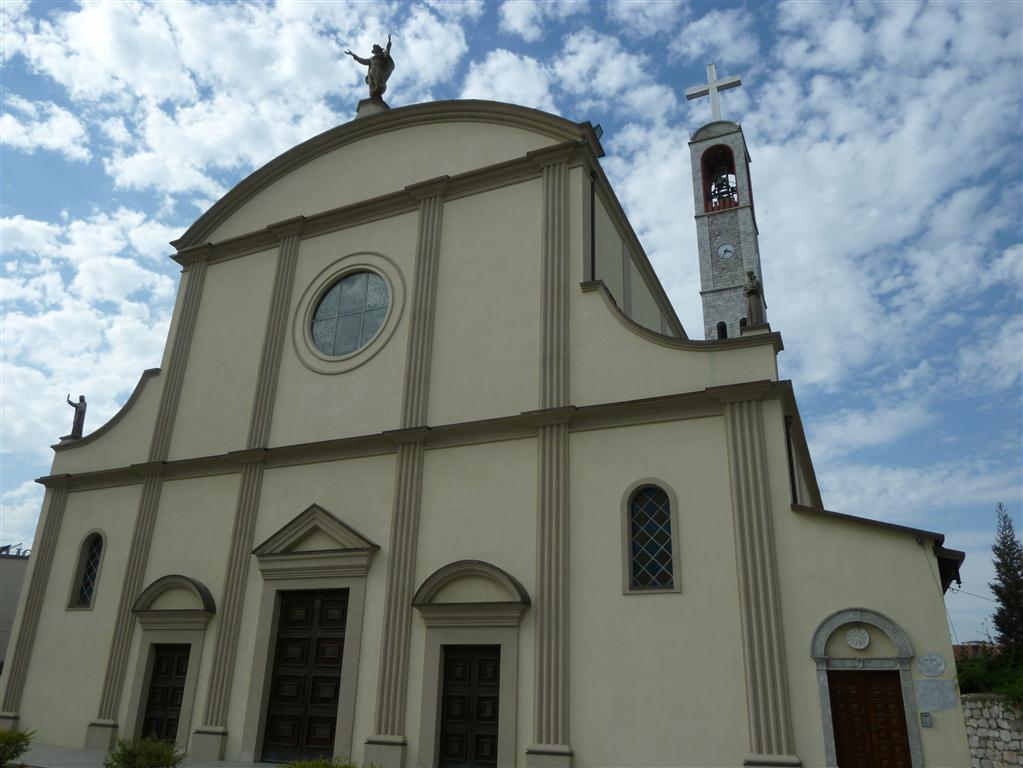
Entering into Albania was easy. Border controls have been smooth and we headed for the first city called Shkodra, the economic hub of Northern Albania. Back in Ulcinj Jeff had told us that in Shkodra the different ethnic people live peaceful together: Christians, Christian-Orthodox and Muslims. And the best to experience is the city centre itself. The two churches and the big Mosque have been built very close together – just the best evidence.
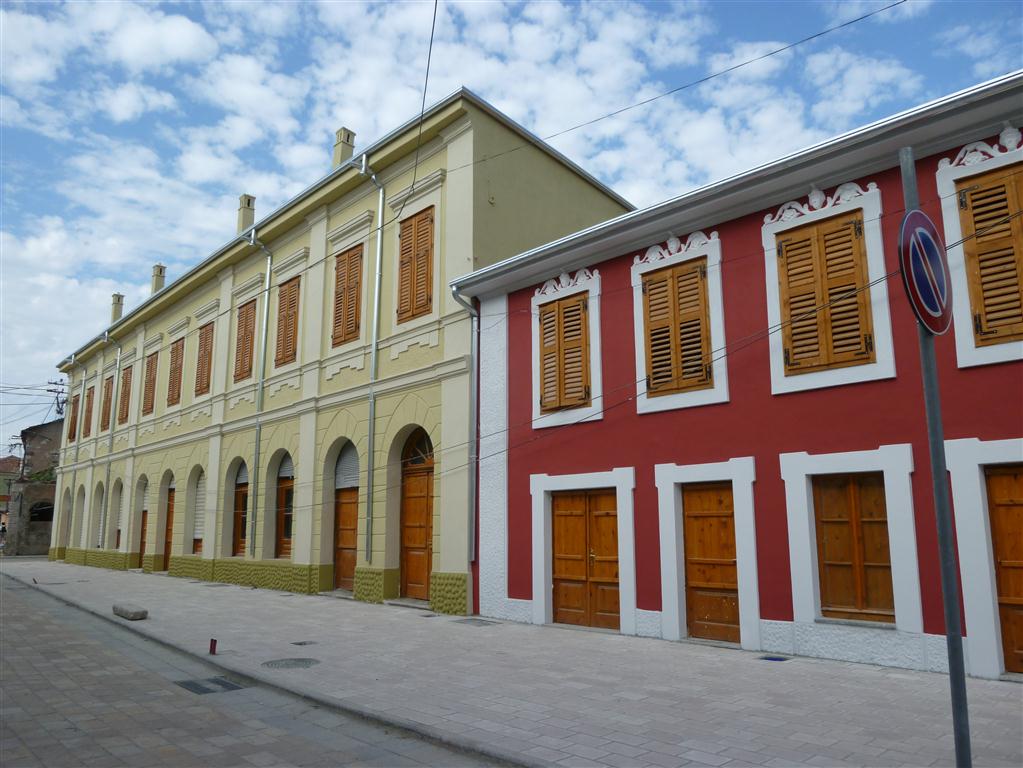
The lady at the tourist information gave us the advice to stroll around some streets of the old town, which are now getting restored. The old Venezian style houses are getting renovated in a beautiful way and bright colors. We left our car at a private parking place with a mechanic. He told us later that he worked many years in Italy and with the money he earned there he could build a house in his hometown and establish a small business. Lucky him! Since many Albanians speak Italian, we could communicate. My knowledge of that language is sufficient.
Further south the young people prefer to talk with foreigners in English. In fact, we had no problems to make ourselves understandable all over the country, either in English or Italian. A few younger people speak also French and German. In many places I saw the strong effort especially of the young people, to learn languages and to work for a better future – after almost 50 years of hard communist dictatorship which the older ones still remember very well. Albania is a country with potential, especially because of its people. The hospitality is great. I only encountered ones – long time ago in Syria – this kind of hospitality, which leaves me indeed stunning and appreciating.
For sure, Shkodra is a place to discover. We had been on the way to the capital Tirana where I had to work. Next time I will come back to the third largest city in Albania and explore also the huge castle which is dominating the place for hundreds of years.
Tirana
When I remember the capital city of Albania I have to think of Ola, the nice waitress in our hotel at the outskirts of Tirana. She is working there during the day and in the evening she teaches English and French. On one of our first days in Tirana Ola accompanied us in the bus, showed us where we had to enter and where we had to get off. During the ride a guy sold tickets. Ola got 3 tickets. We asked her how much it is but she told me only, no matter! Albanian hospitality!
Tirana is a fascinating city. Indeed, no much to offer in sightseeing but the atmosphere is great. One evening we spent in the hip part called Blloku. That part of the city had been strictly isolated during communist time, no one of the normal population could enter. There was the house of Leader Enver Hoxa, who ruled the country for almost 50 years.
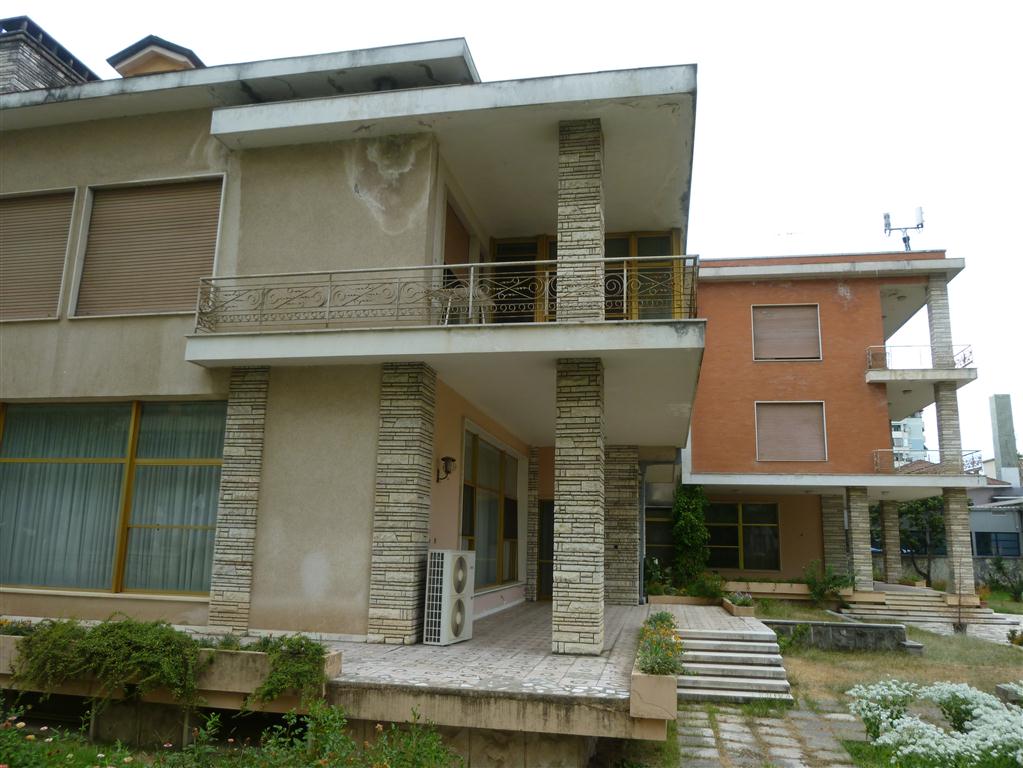
In the neighbourhood had been living all the politicians and parliamentarians and, of course, they enjoyed Western luxury lifestyle in their mansions.
Isolated from the outside world
The rest of the Albanians had been isolated for almost 50 years. Enver Hoxa launched an experiment: The Albanians got to believe that they are living in a perfect country with the happiest people of the whole world. In all the other countries, the people lived bad and hopeless. Only the rulers of Albania could manage that its inhabitants are the happiest people in the world. And the Albanians believed that for many, many years. No one of them could enter the outside world, government people who travelled had to come back and tell their people how terrible the life is in other countries. Of course, some people had doubts. Especially those who had the possibility to watch secretly Italian TV, but nobody wanted to mention their doubts. And persons who did it became political prisoners, f. e. they had been sent to the horrible prison in Gjirokastra (talking about that later). After the stroll around Blloku we went to Café Taiwani in Rinia-Park. It seemed that everybody comes here to enjoy the evening: Parents with kids, elder people, young and older girls as well as young men, who loves to flirt and chat. From the terrace we looked down to that kind of evening spectacle like to a theatre stage. On point at seven o´clock the nearby fountain waters danced in different colors to old romantic Italian music. How nice!
Damned and beloved Bunker
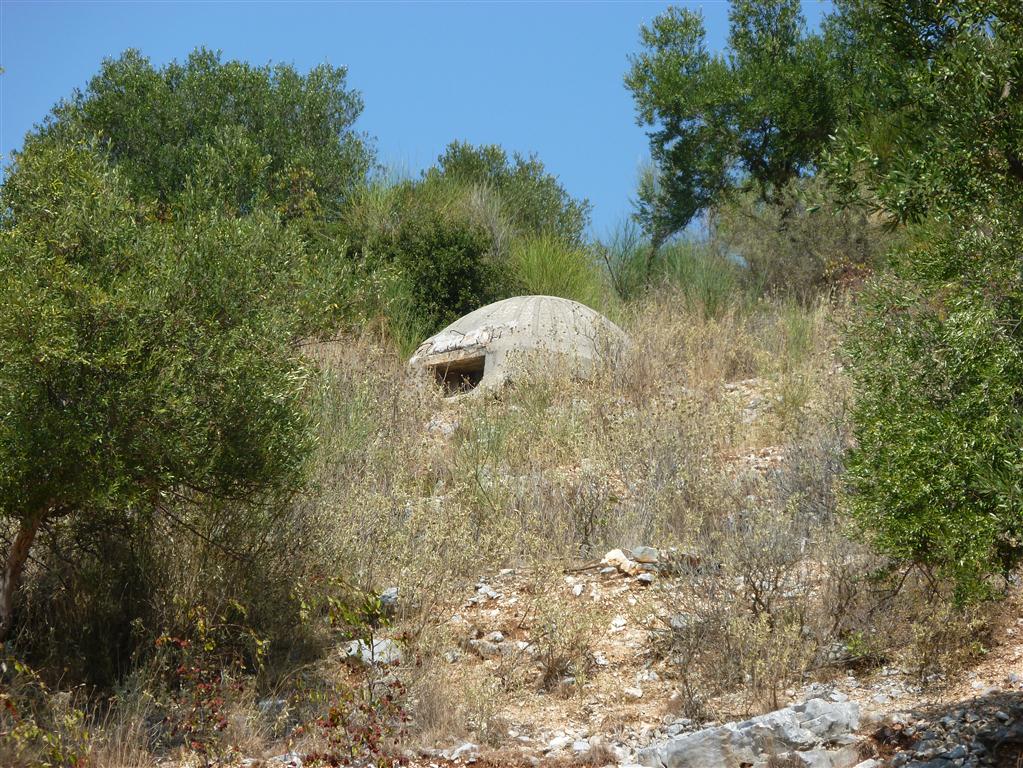
All over the country and for ever there are and will be Bunker. This small round cement buildings was built on command of Hoxa. Once the country had around 700.000 of the bunker. Also now you see them all over, in the middle of the cities, in isolated rural areas and in the plain fields. There was one reason to build that immense number. In case of an invasion of the enemies, which mean the outside world! Beginning of the 1970s Albania got into extremely political isolation. The rulers had the paranoia that every day military troops from outside could invade the country. From 1972 to 1984 the whole country was therefore equipped with bunkers. During war times the people should withdraw there and defend their country. In border areas the bunkers have been busy with soldiers all over the time.
Today the Albanians want to get rid of those memories of the past. Many bunkers got already destroyed, some of them changed into coffee shops, even a chapel, or a newspaper stand.
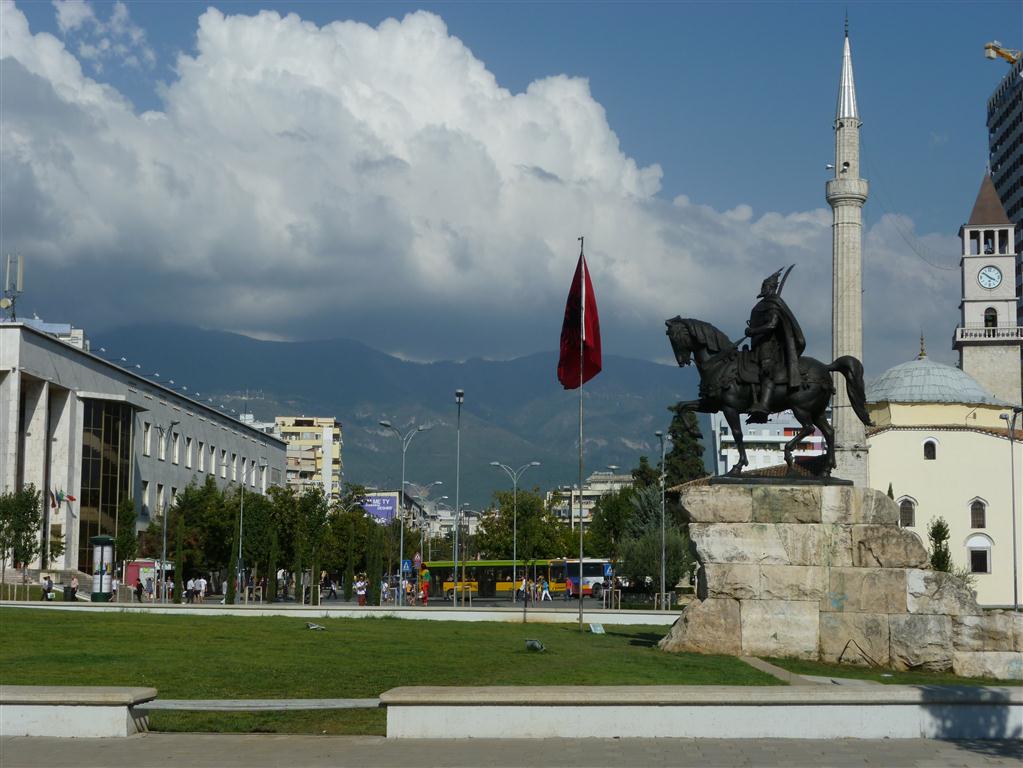
 One of our evenings in Tirana we went for a drink to Opera-Café at Skanderberg-Place in the city center. We talked with an Albanian who lives in London. We told him that we like the city and its atmosphere. “Well”, he answered, “I cannot really judge about it because it is my home town and I don’t see it as tourists do.” He called the waiter and payed our drinks. “Just enjoy the atmosphere”, he said. Nothing else. Albanian hospitality!
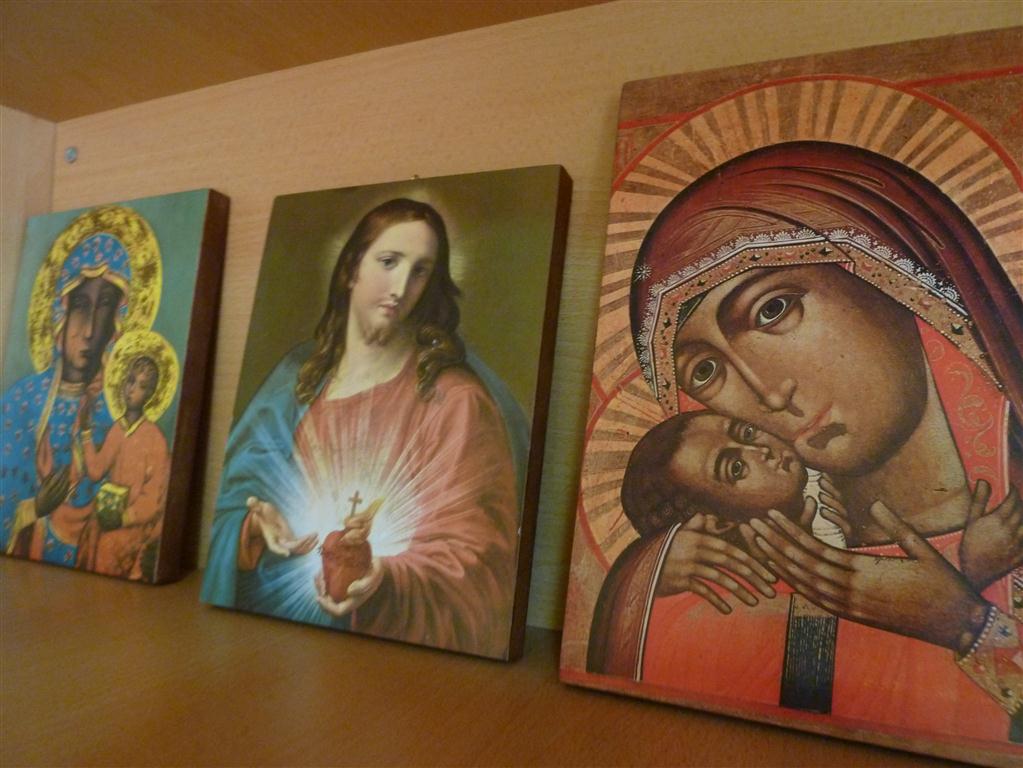
Win an original Christian icon-picture from Tirana (you see it below in the middle): You just give a Like-Click on Facebook’s “sl4lifestyle” and write some comments about your preferred piece of religious art! From all the posts the winner will be chosen. The picture will be delivered to your address. Deadline: October 10, 2012.
Impressions from Tirana
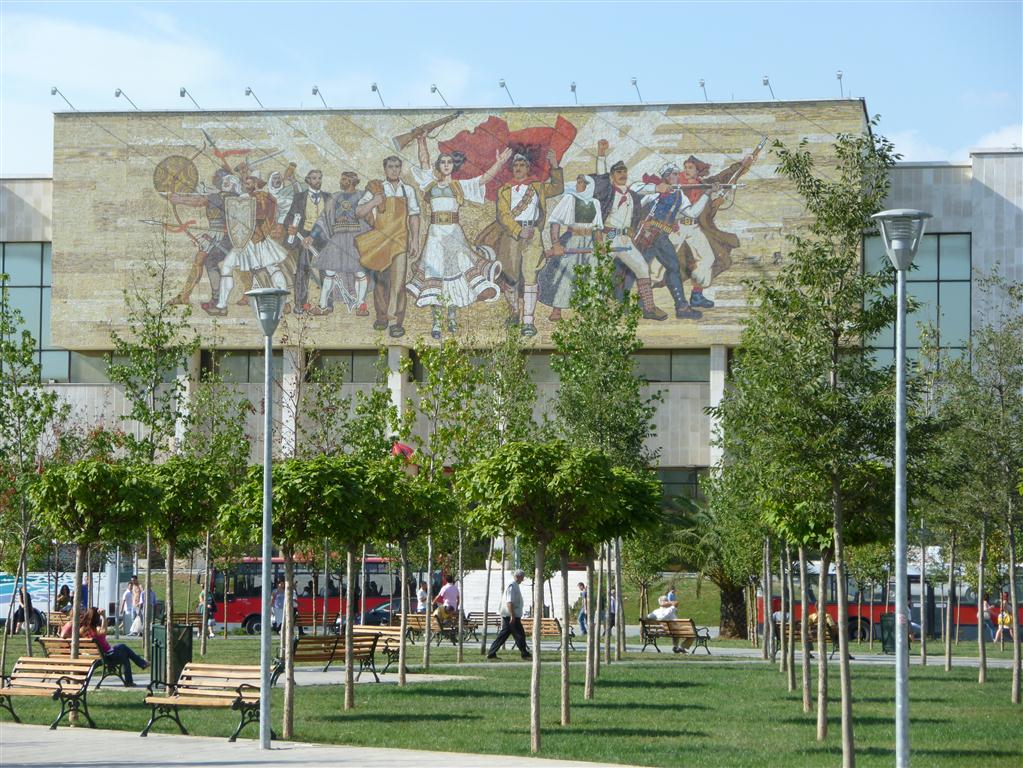
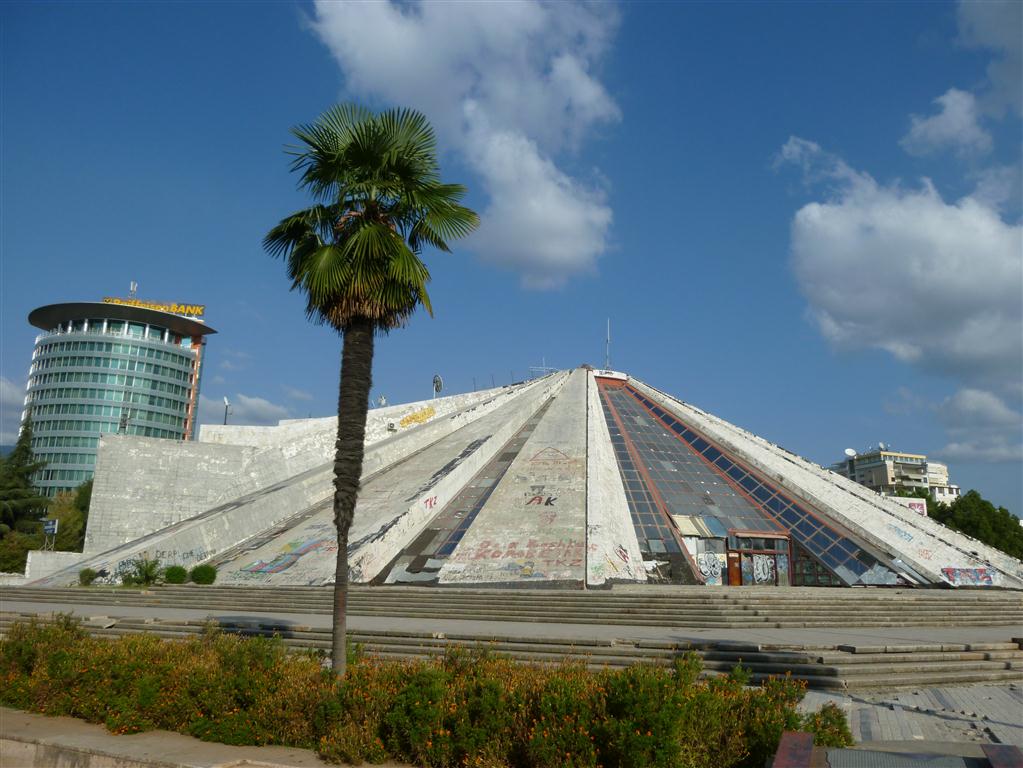
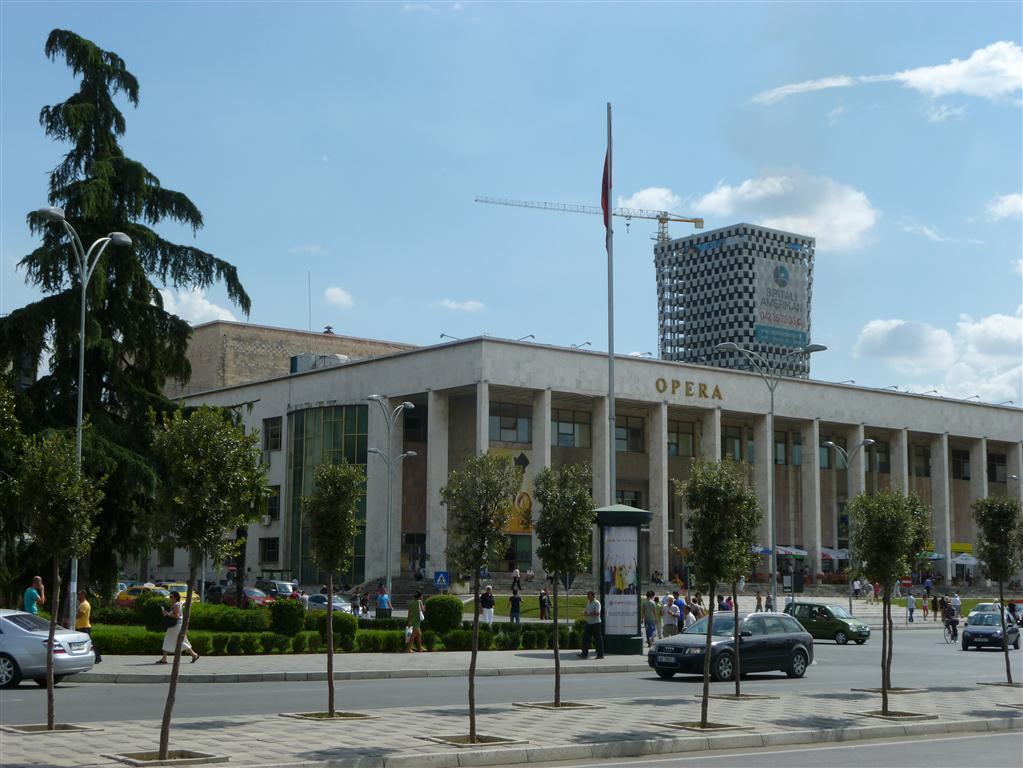
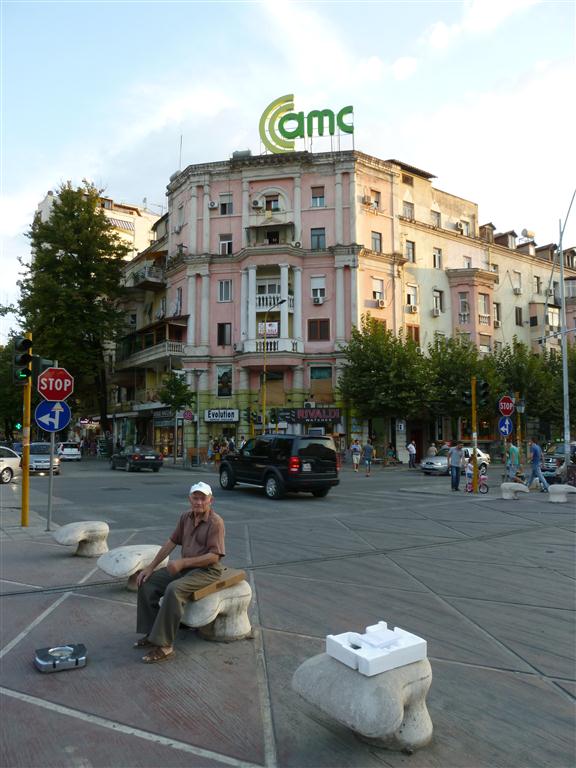
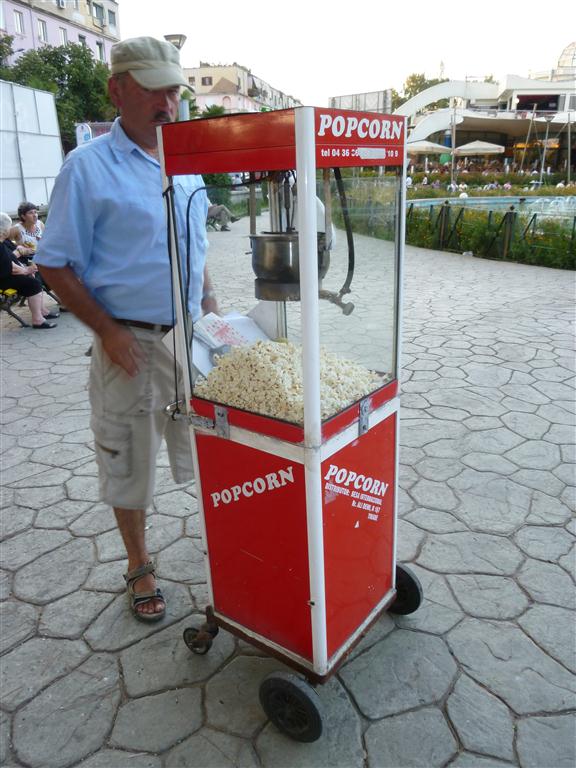

Berat
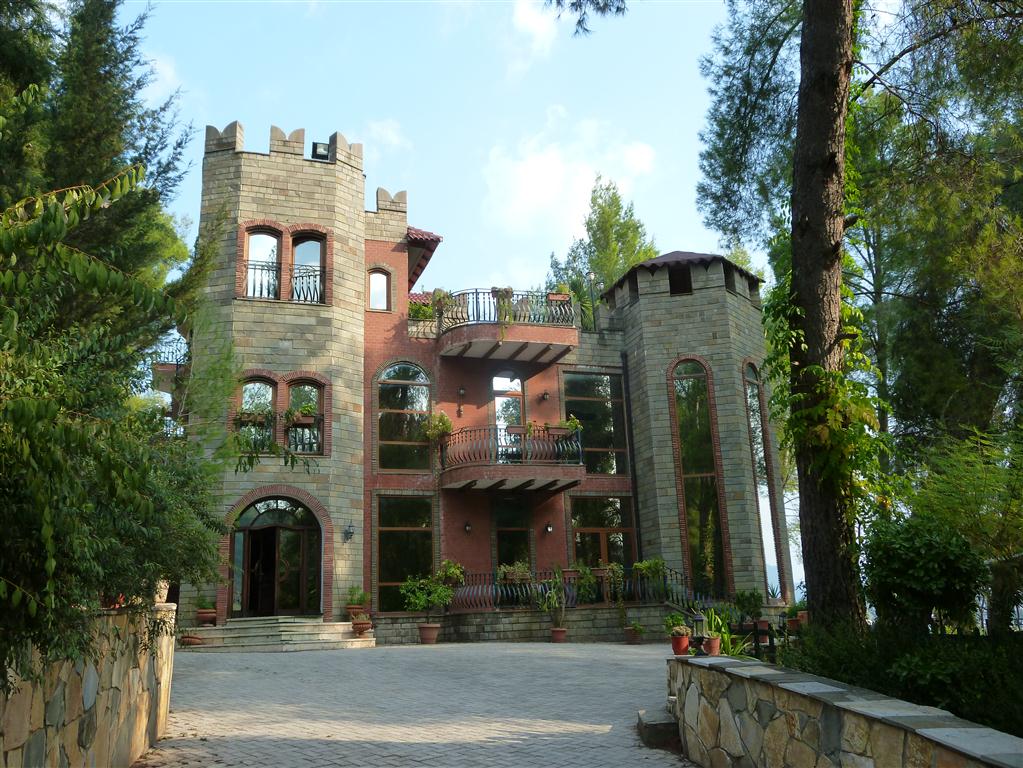
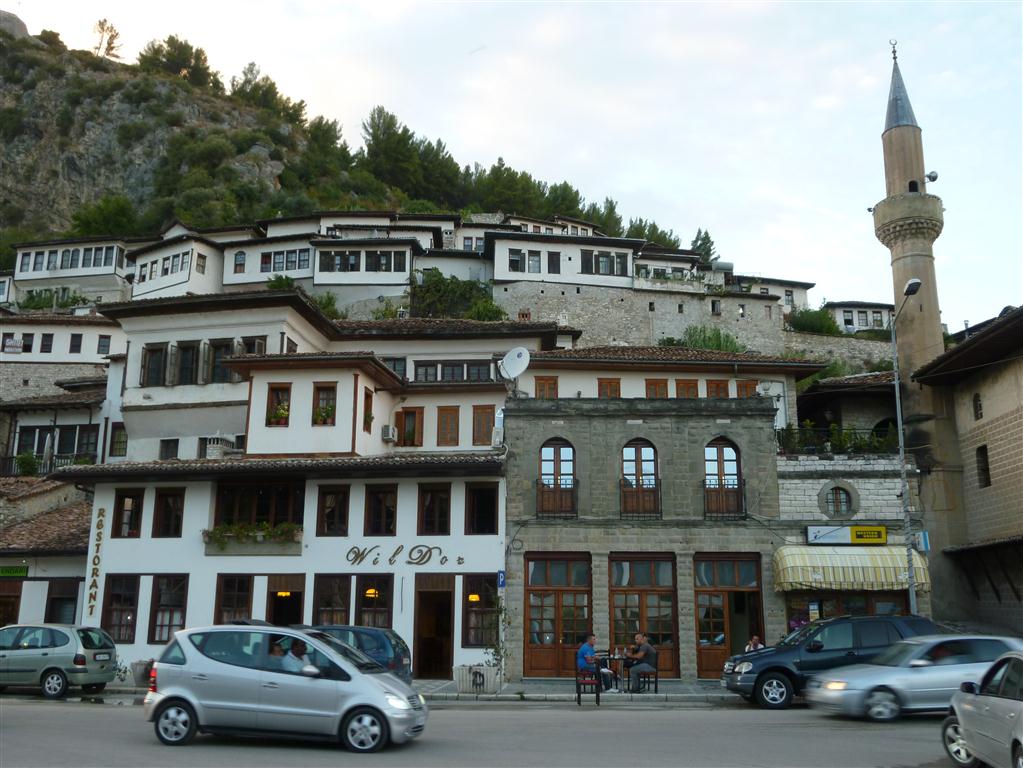
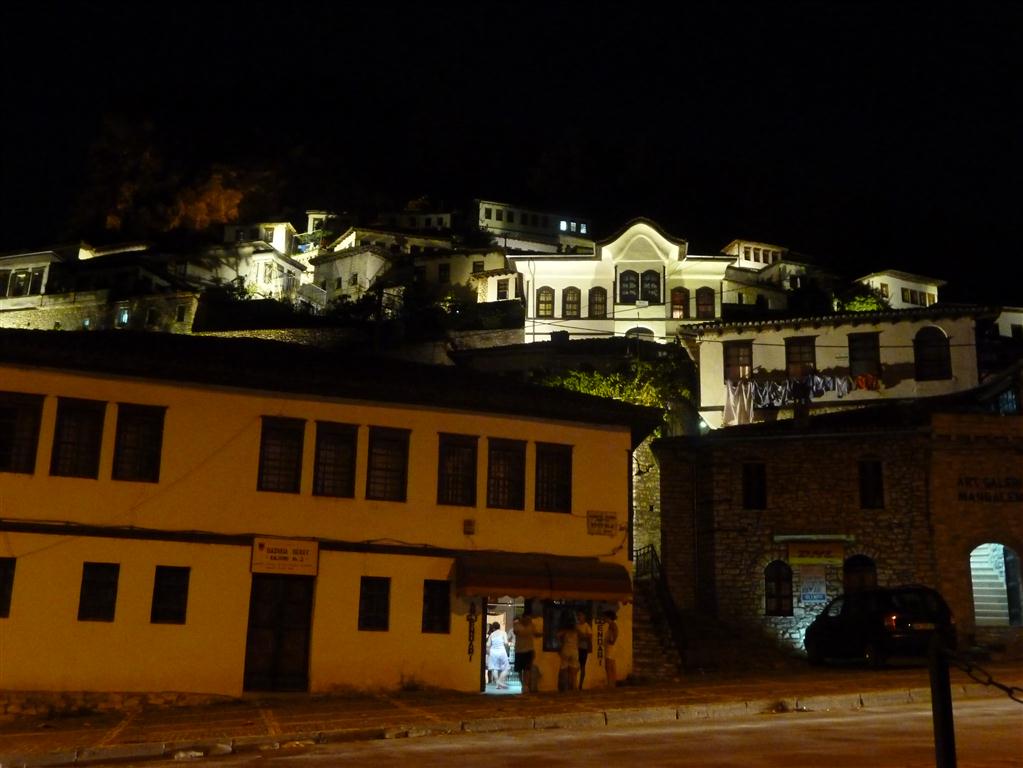
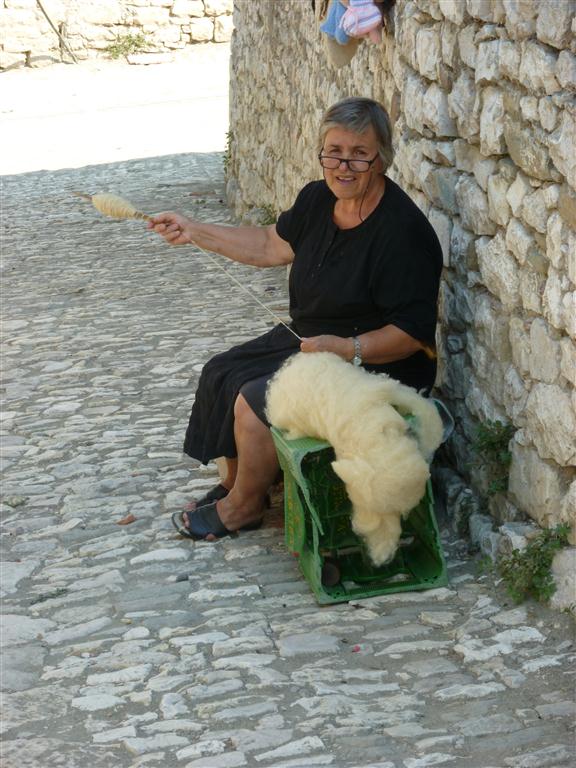
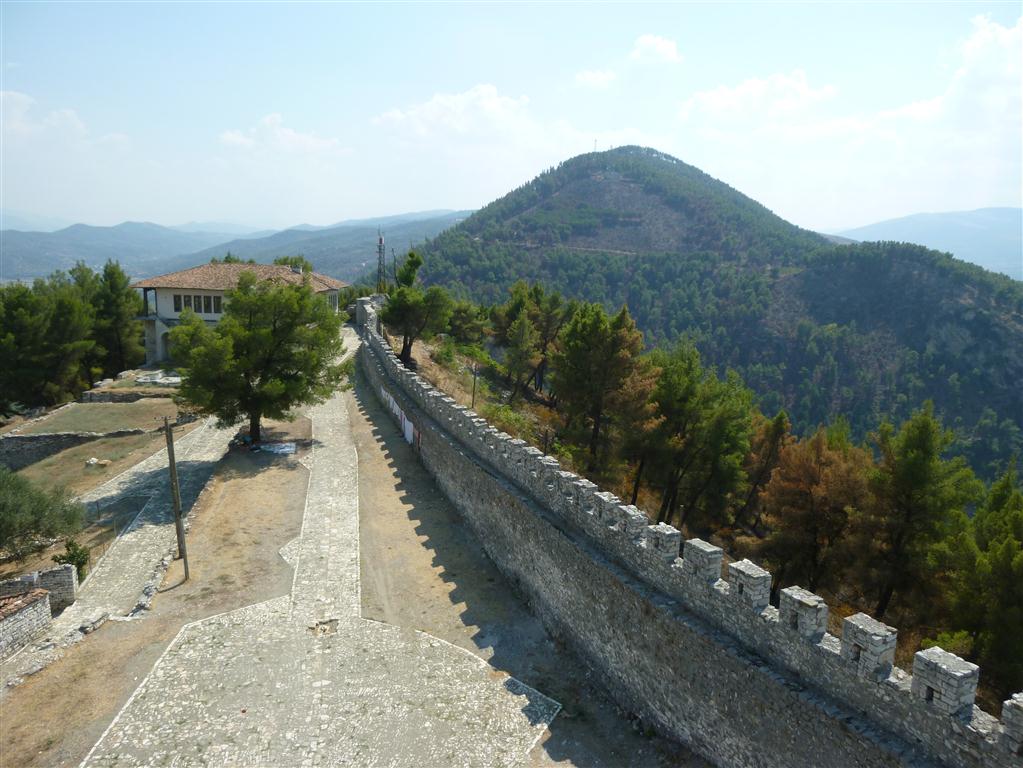
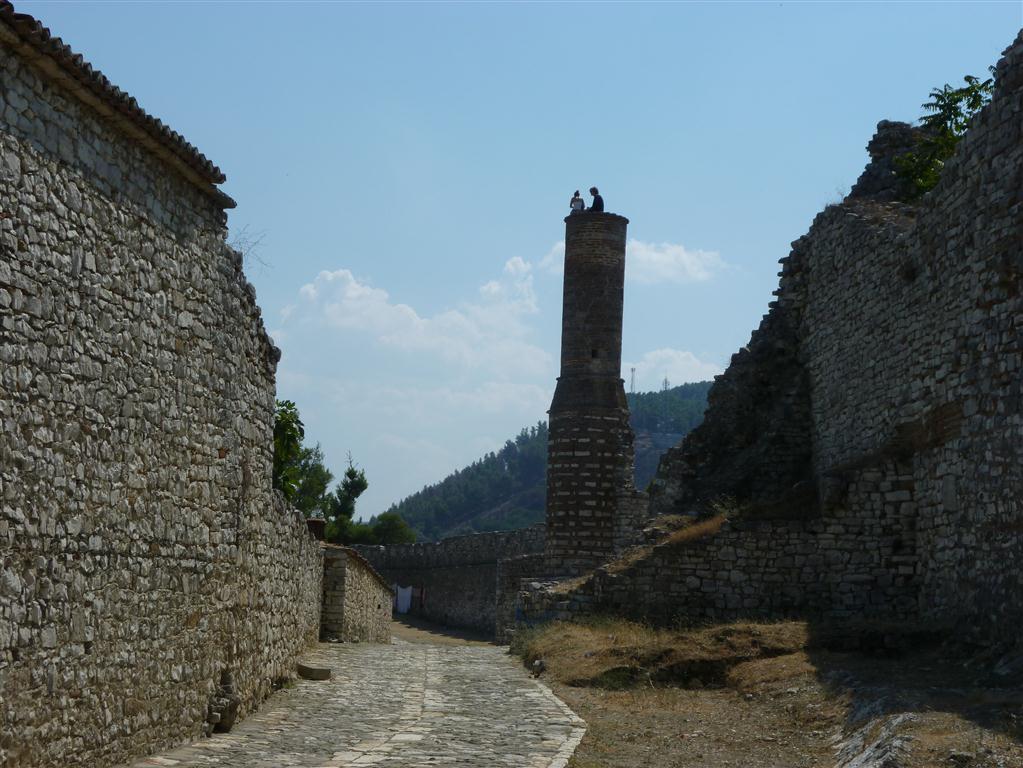
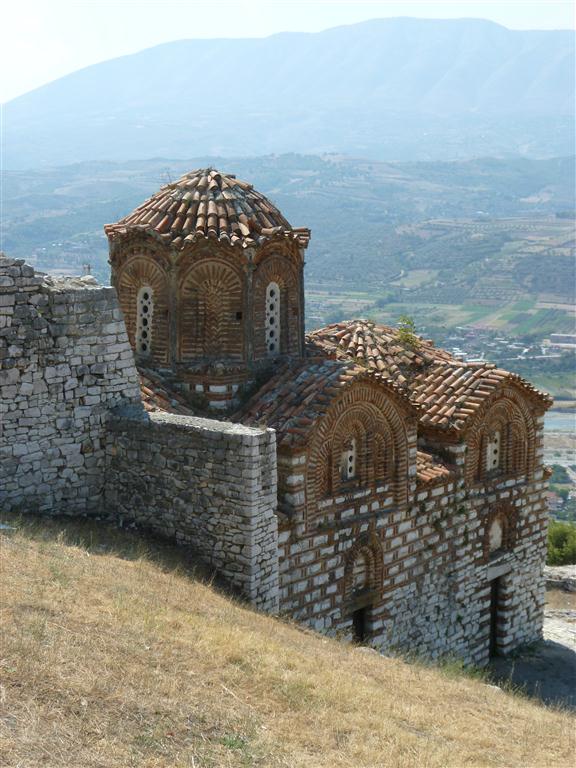
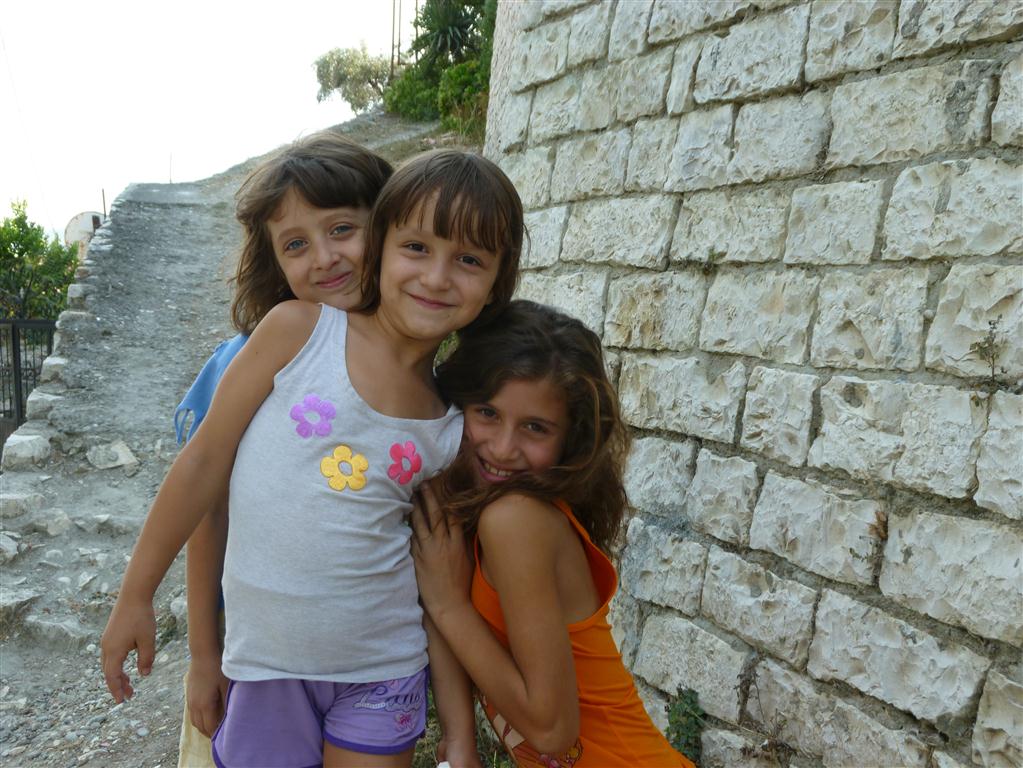
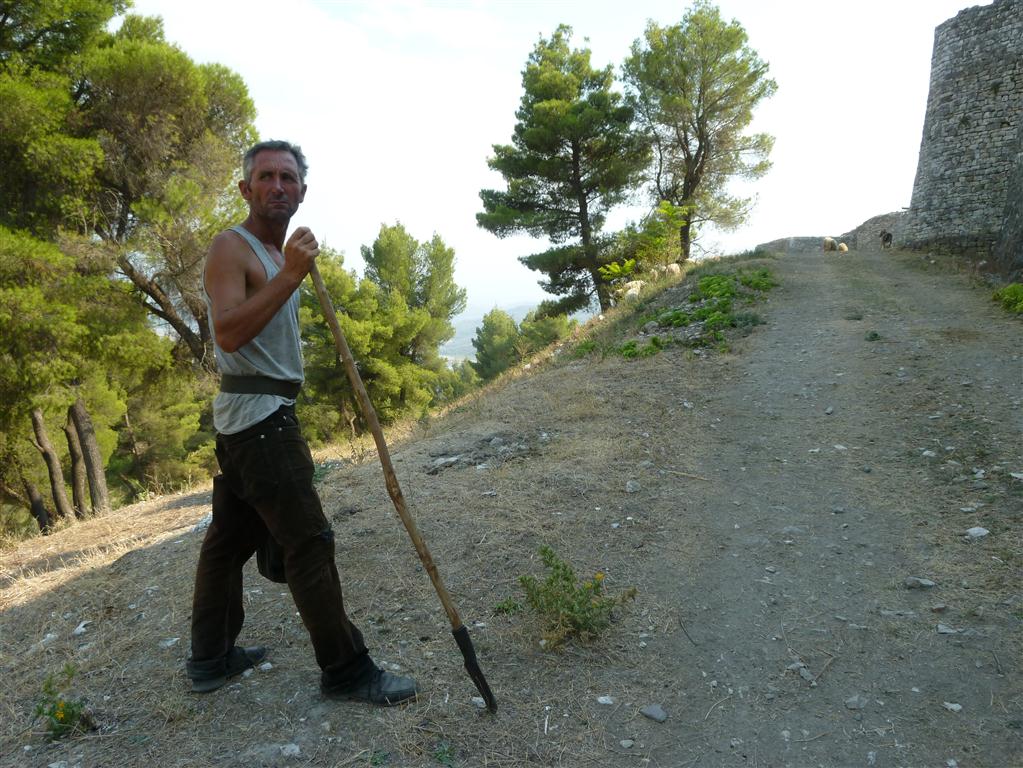
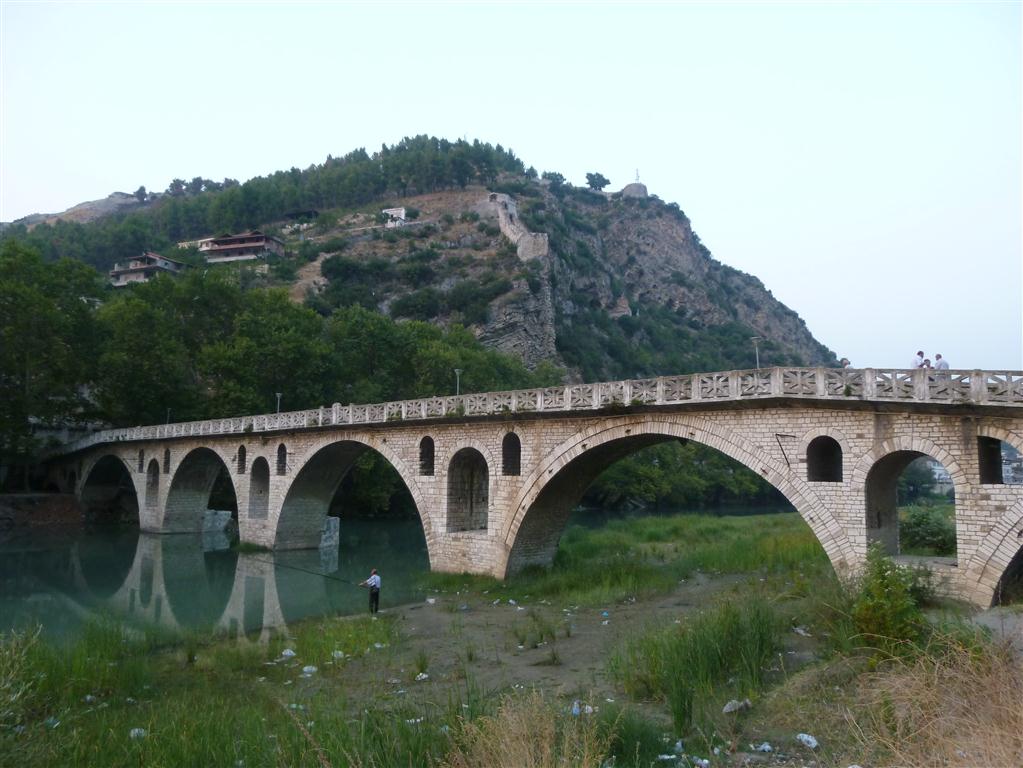
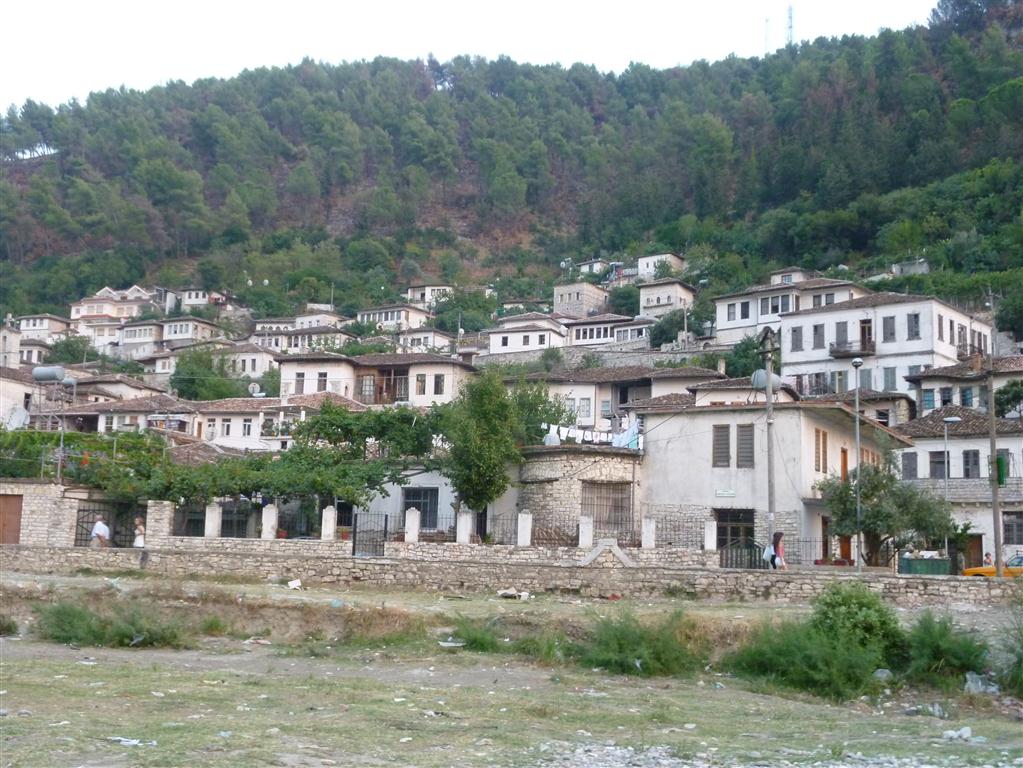
What for a fascinating city in the mountains! After a couple of hours driving we reached Berat, with 2.400 years of age one of the oldest towns in Albania, since 2005 UNESCO World heritage site. The well kept quarters from old Osmanian times, called Mangalemi and Gorica, are worth a visit. The castle which dominates the city dates from medieval age. About 350 families are still living inside their walls.
Traditional food made by Koco
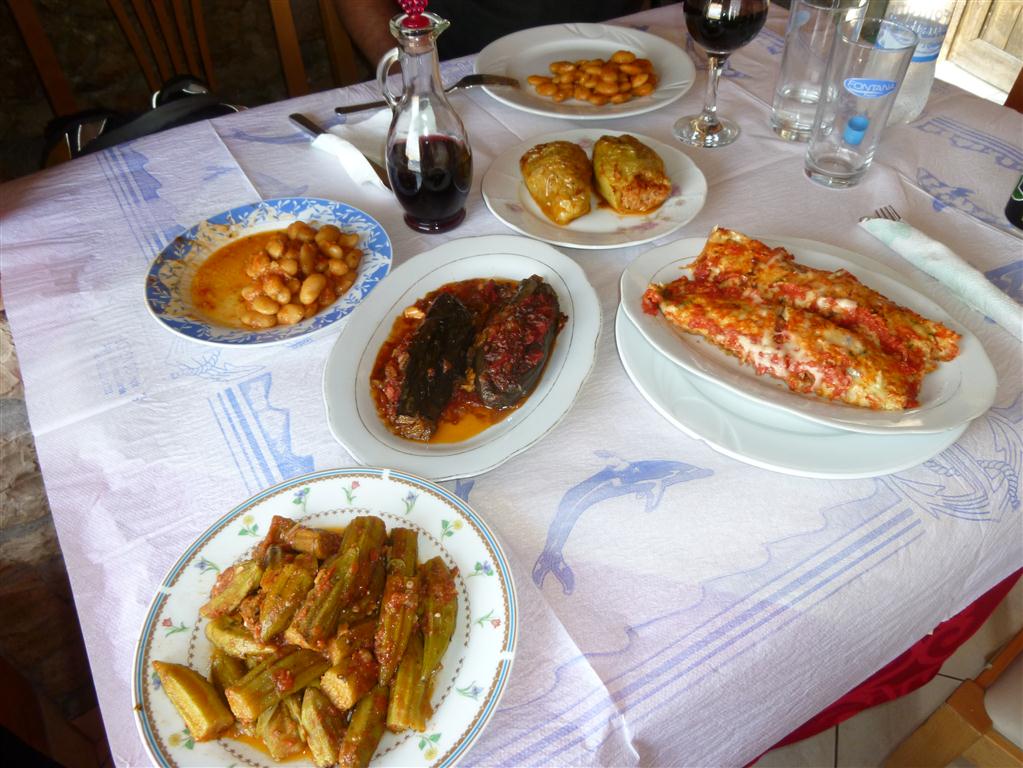
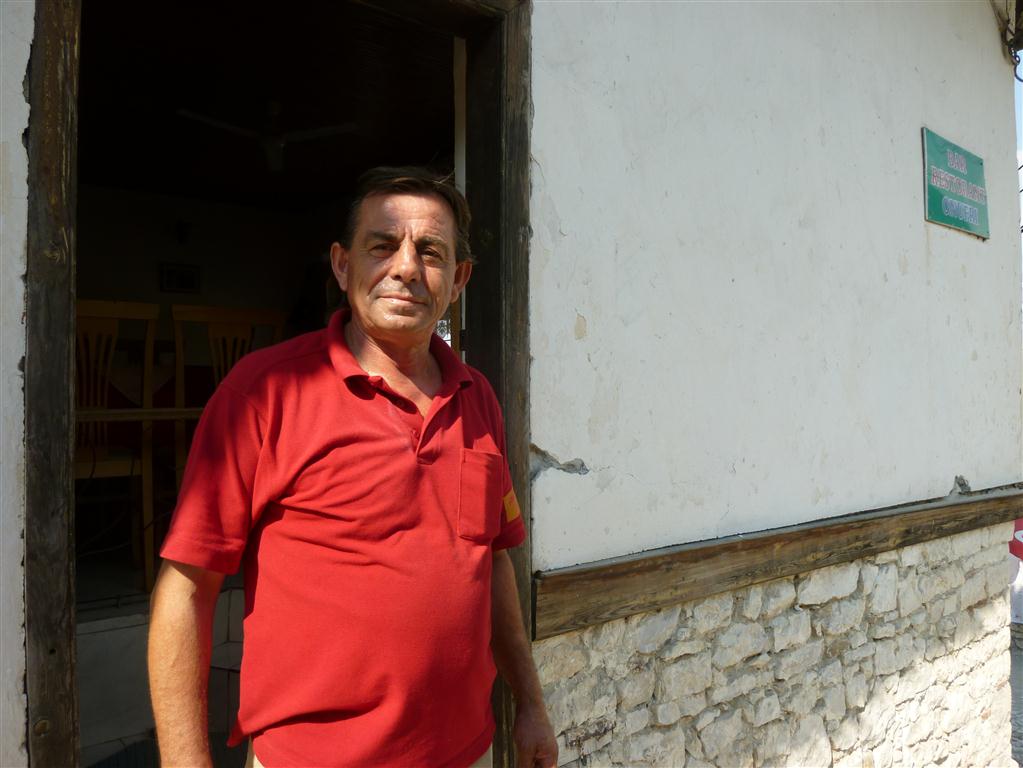
To one of the families belongs Koco Plaku, the owner of the restaurant Onufri. The treat of the place is all kind of traditional food. Even when Koco cannot talk English he shows us proud the photo when the President of Albania visited his tiny restaurant. Within 15 minutes our table was filled with about 10 plates of different Albanian specialities. It was great food. Koco never stopped to give us shots of Raki (Albanian Schnaps). With a sweet dessert we ended the feast of eating and drinking. Including wine and soft drinks we paid for 2 persons about 15 Euro. We promised Koco to come back when we will be another time in Albania.
No cars till 1990s
Alma, the friendly manager of Hotel Castle Park (My recommendation: www.castle-park.com) in the hills outside Berat told us about their hope that with a new government the situation in the country will be better. In fact, many people told us about the unbelievable corruption which the country has to face. There is only a slight hope for democracy but at present the rich people get richer and the poor people stay poor. During times of dictatorship until the beginning of the 1990s there have been no private cars in the whole country. Albanians did not get permission to have private cars. And with the political change in the beginning of the 1990s everybody wanted to have an own car. But of course, they wanted cars with the highest reputation. They started to invest in vehicles like Mercedes, second hand. And still today the streets are filled with old and new Mercedes and BMW cars and in between some other brands.
Popular evening Xhiro
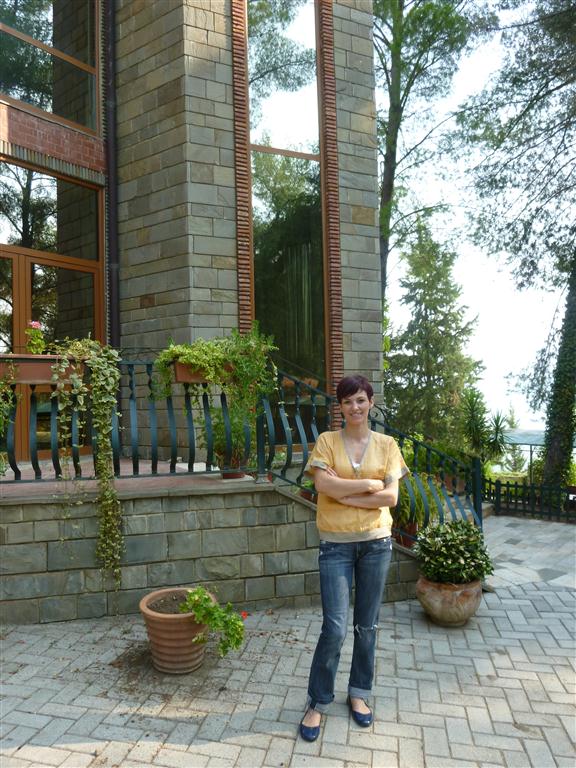
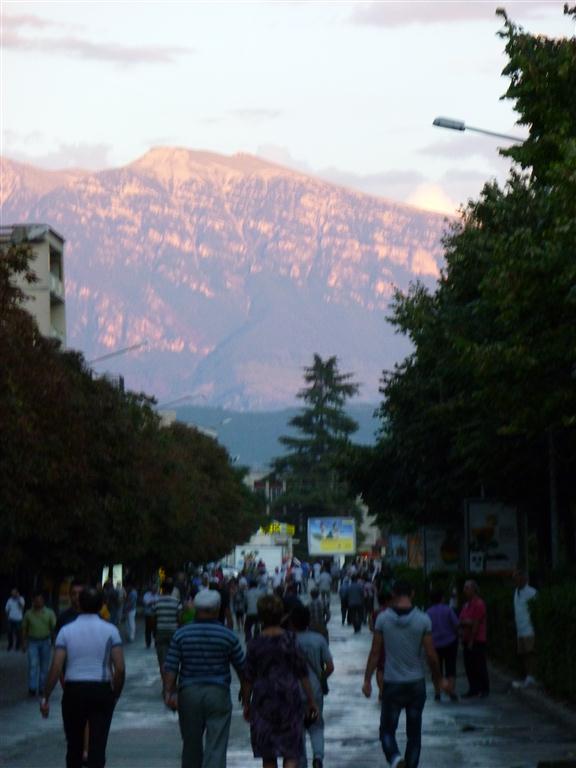
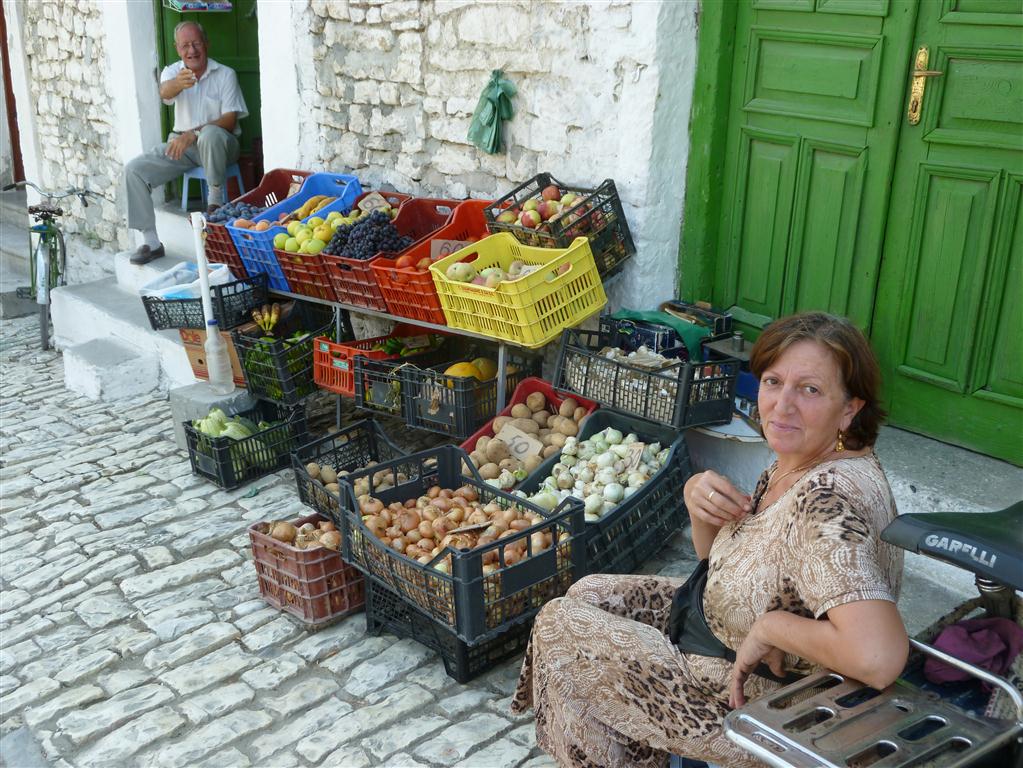
In the evening we joined the crowd in their Xhiro – the evening walk –along the Boulevard at the river Osum. We bought roasted sunflower seeds and had ekspres (Espresso) in one of the bars. I discovered that my hand bag was broken and looked for a tailor to fix it. In a side alley of the Boulevard I found one and I showed him my bag. He got it and within ten minutes he fixed it again. I wanted to pay him for his work but he just denied any money. Albanian hospitality!
By the way, the food in the restaurant of Castle Park Hotel is excellent.
Gjirokastra
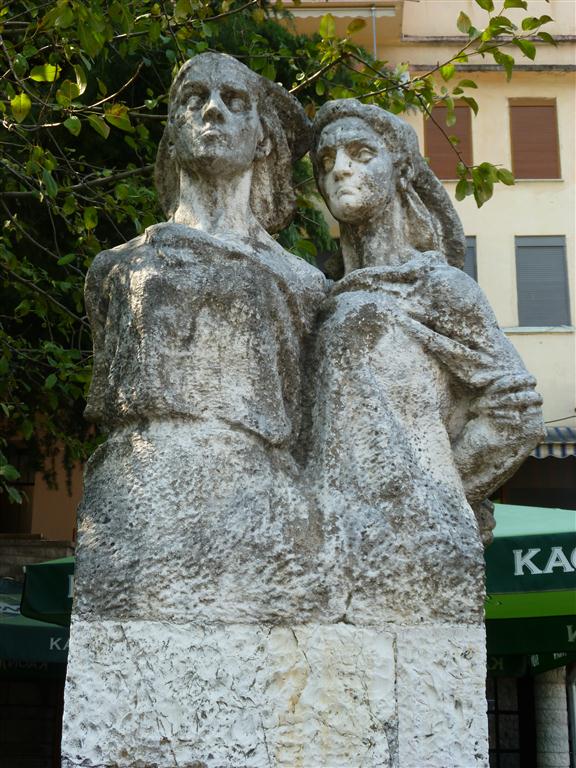
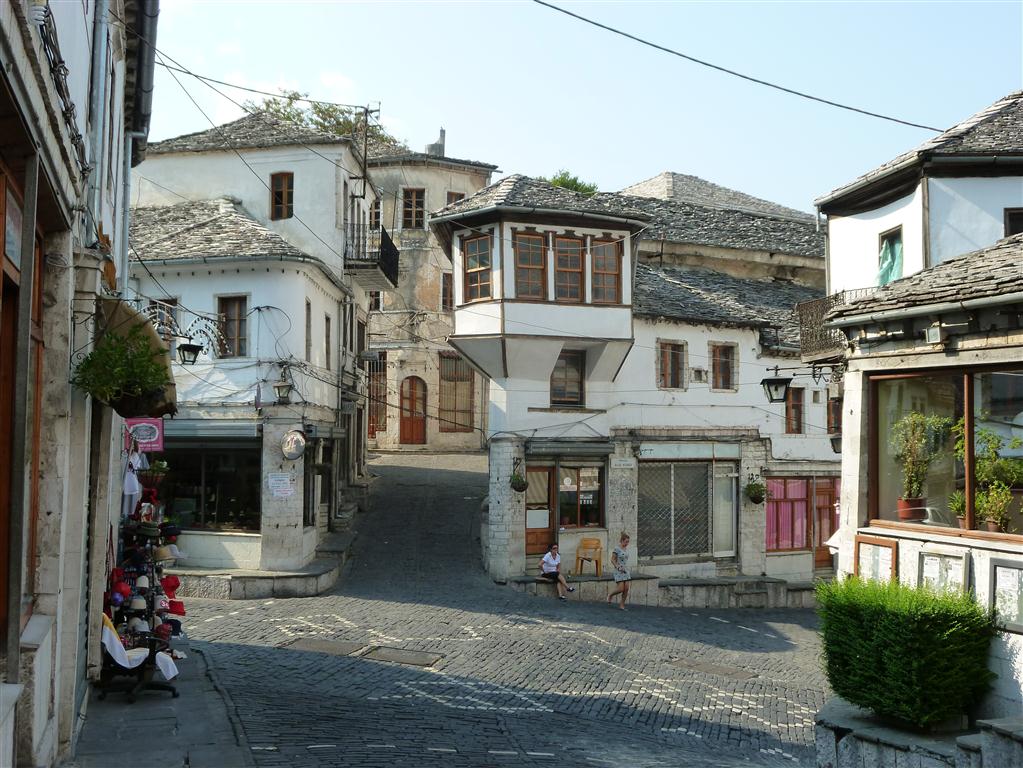
Another historical place at the Albanian map and another world heritage site since 2005. By the way it is the birthplace of communist ruler Enver Hoxa (died 1985), the famous national writer Ismail Kadare (born 1936) and Musine Kokalari (1917 – 1983), the first female writer in Albanian history who was arrested in 1946 by Hoxa and was not allowed to write anymore. She died isolated and under house arrest in Northern Albania. The monument on the main square shows the two 16 years old female resistance fighters Bule Naipi and Persefoni Kokedhima, who got murdered by the German troops in 1944. The Hoxa-house got renovated and holds nowadays the Ethnographic museum.
Silver Castle
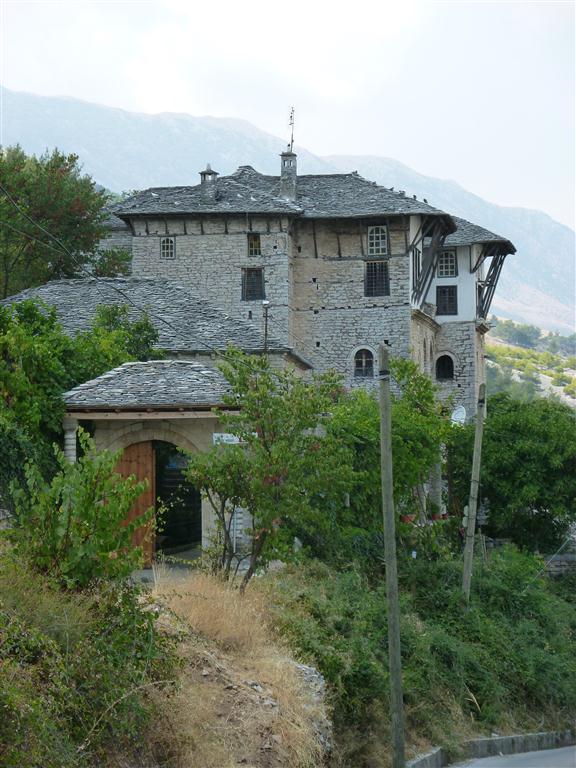
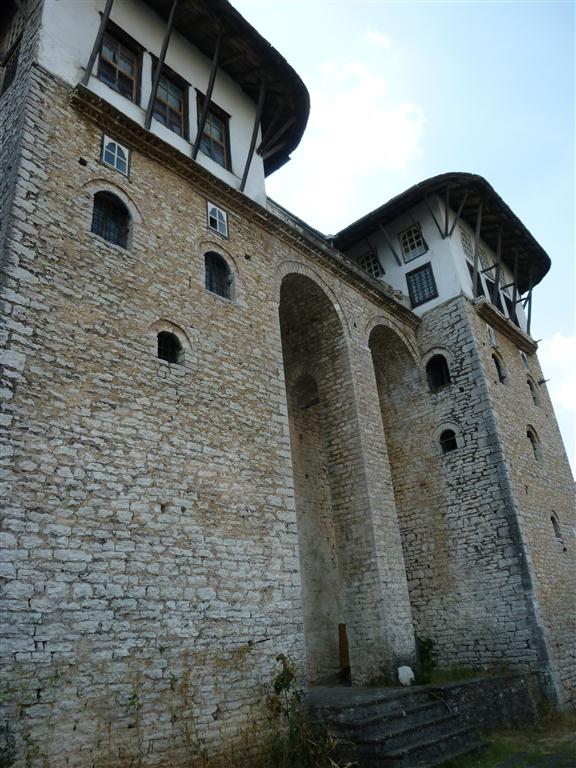
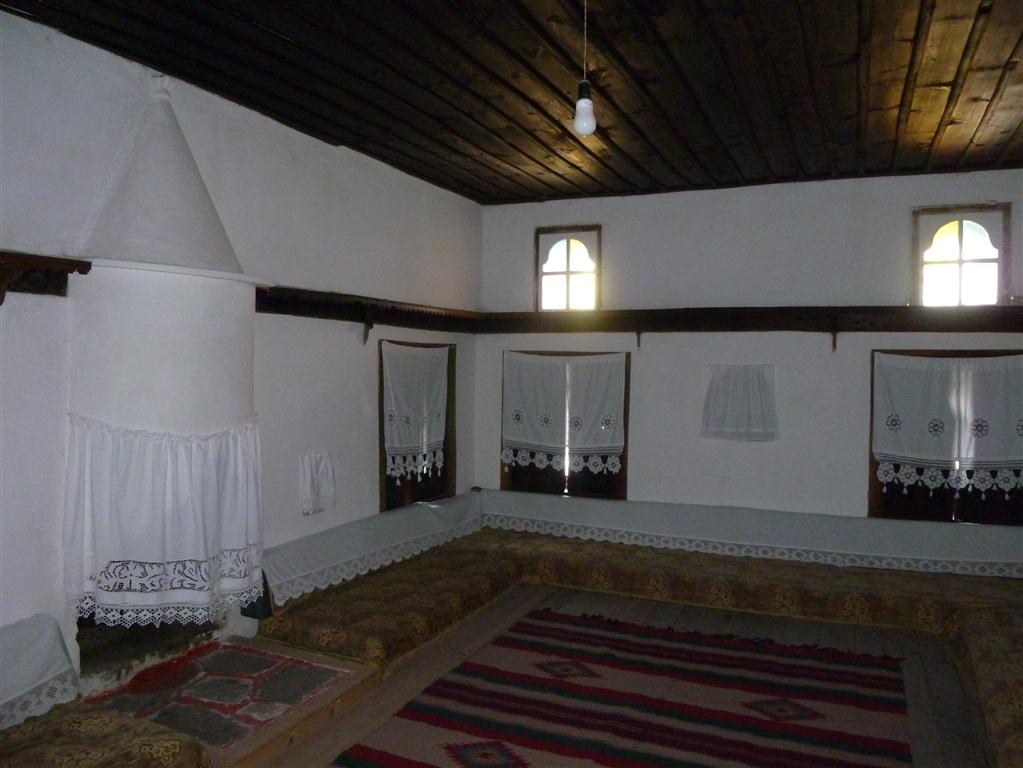
Because of its silver-grey roofs Gjirokastra has been called by the Greeks “silver castle”. Indeed, the castle of the city on a steep mountain was the biggest place of the country for political prisoners until the end of the 1960s. Today that prison is interesting to visit. Also we visited the Zekati house, the former house of Beqir Zeko, once a high official of the city, built in 1811/12. It is said to be one of the most impressive private houses of the nobles in the whole Balkan region. We strolled around the rooms and got an impression how people of his class lived in former times.
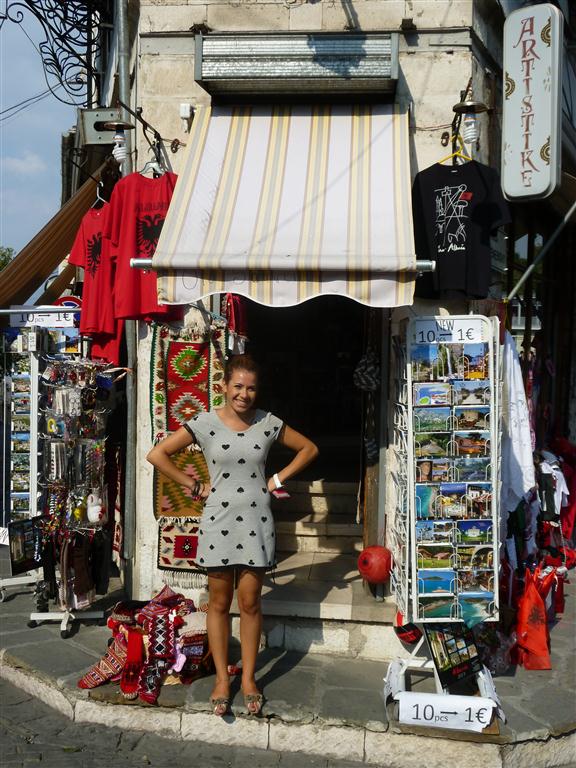
We met Ioanna on the way to the castle. She stopped and gave us a ride in her big old Mercedes up the hill. She told us she has a souvenir shop in the center. As we told her how pretty Gjirokastra is she argued, that the government would do nothing for tourism. “The old houses just break down, nobody cares about the values of the city.” Money for renovation would never arrive. She seemed very unhappy about the situation and blamed again the corruption and the politicians who are involved.


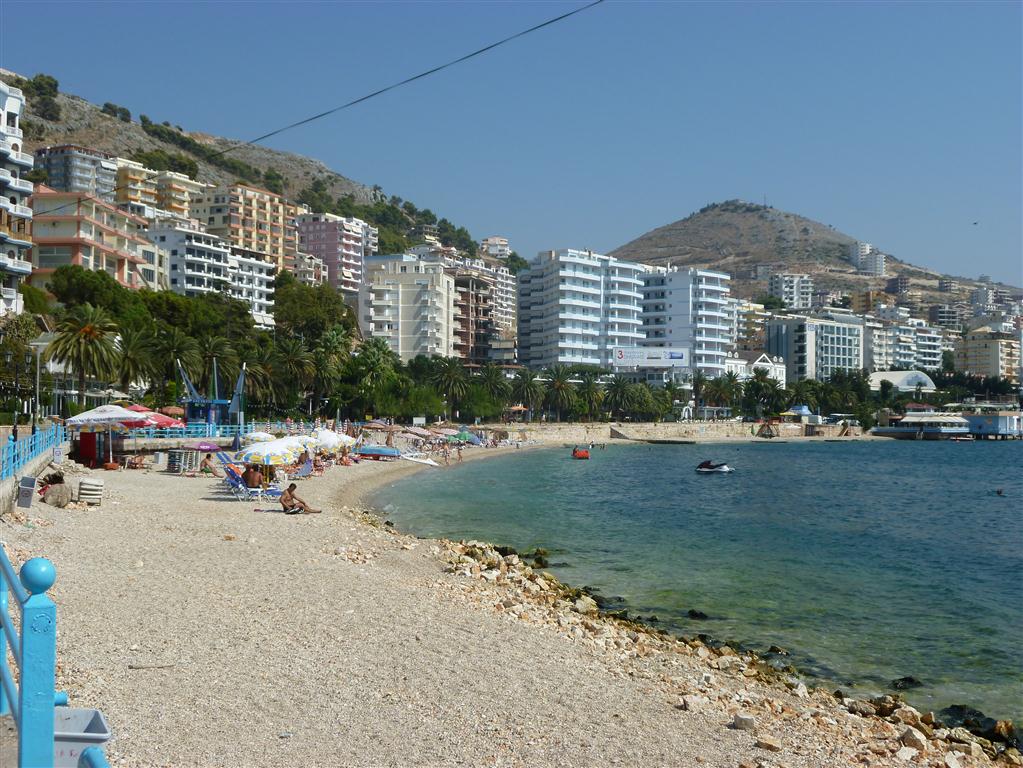
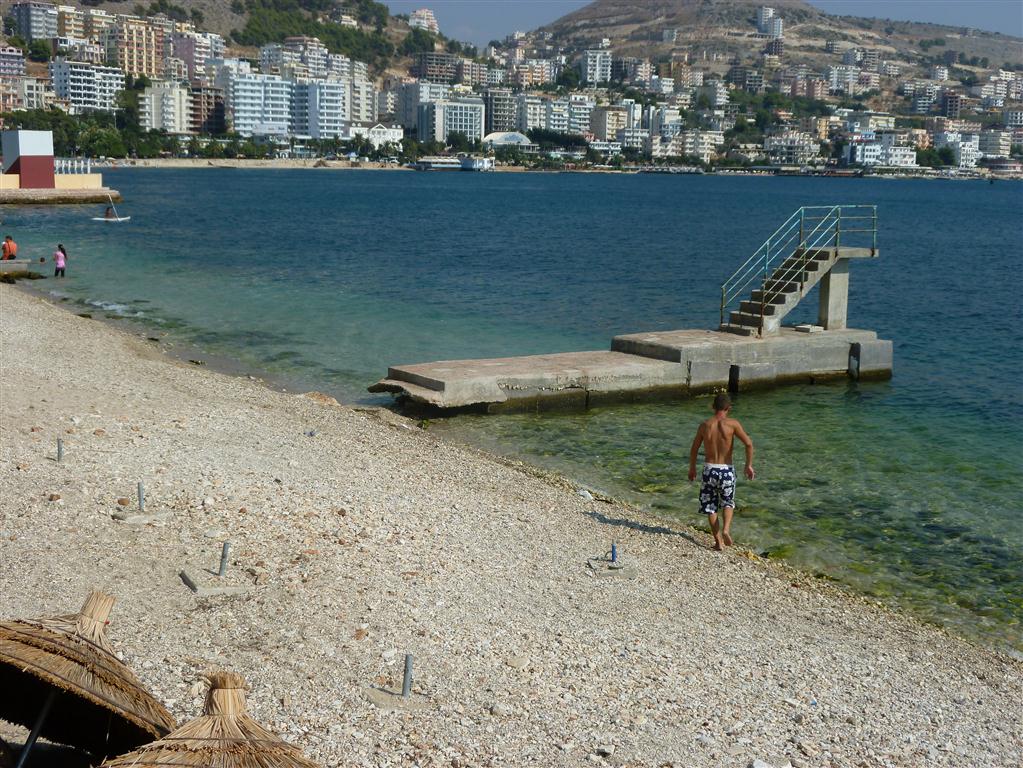
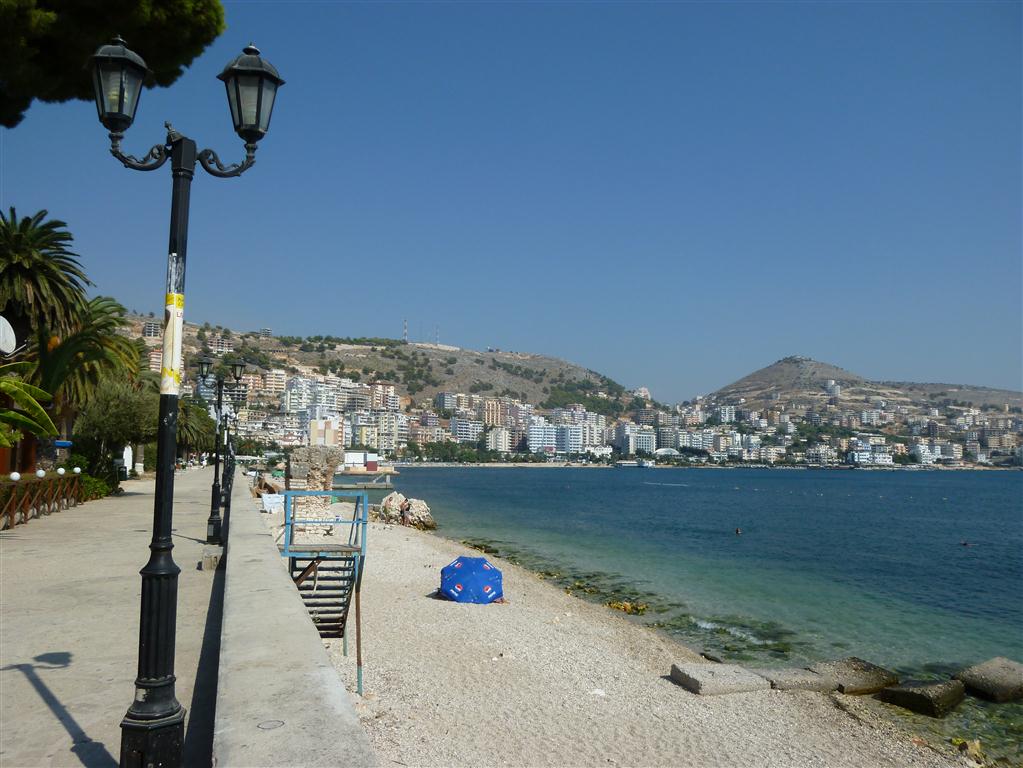
Sarande
After 33 Kilometer or 2 hours car ride we arrived at the Albanian Riviera. We heard nice remarks about that region of Albania: The best, outstanding, still undiscovered, and so on. We were curious. Our hotel was new, modern, with very clean rooms but the first two floors are still in construction. The hotel is proud of its panoramic elevator but it ends down in nowhere, because the basement where we got off for the beach was not ready and the elevator was the only thing that worked there. Sarande city is a town with restaurants, a walking pass along the port and stony beaches. But our hotel was in the new part of town and the unbearable view out of our window was to the neighbouring unfinished high houses with naked concrete and steel!
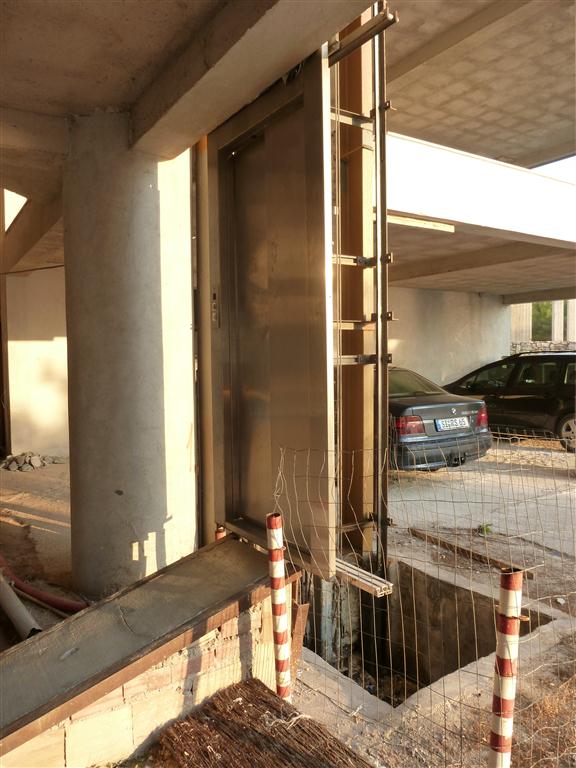
Concrete ruins and beautiful coast line
The crisis in Greece arrived also in Albania. There is no money to finish those ghost apartment buildings and hotels. We saw empty and unfinished buildings along the coast. There is no harmony in architecture and only in the old villages along the coast we found still some kind of beauty. Beside the endless and unfinished buildings Albania has another problem to face. A never ending story of garbage covers the most beautiful spots of the country. In lakes, at the seashore, between apartment blocks, on forest sites and at the countryside you can see endless amounts of empty plastic bottles and bags, old furniture or washing machines not more in use, you just cannot close the eyes. There is no ecological awareness at all. That´s really sad. Albania could make so much out of its seaside with still good prices for tourists, friendly people and a really stunning landscape along the sea. Albanian people deserve it to get a better country and to get their share of the income which will come due to tourism. I do hope they recognize their potential and what kind of treasures they have on the way to a brighter future. But it is not my way to judge about it.

Butrint
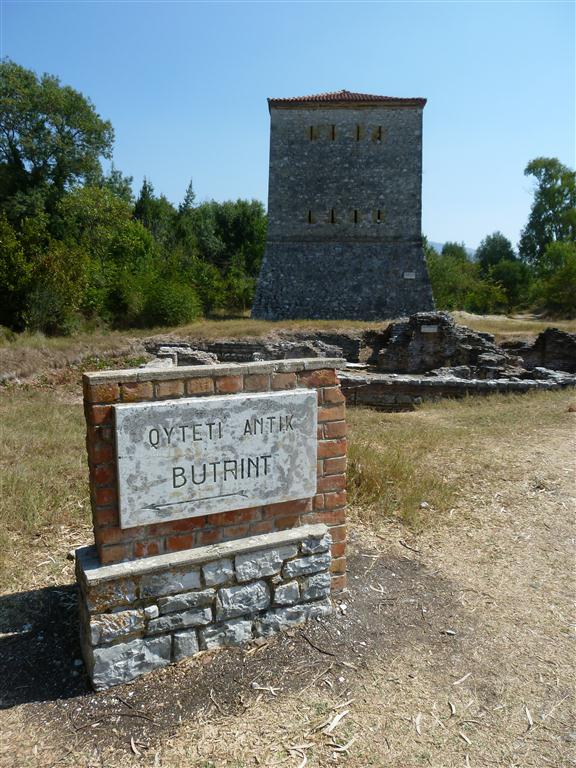
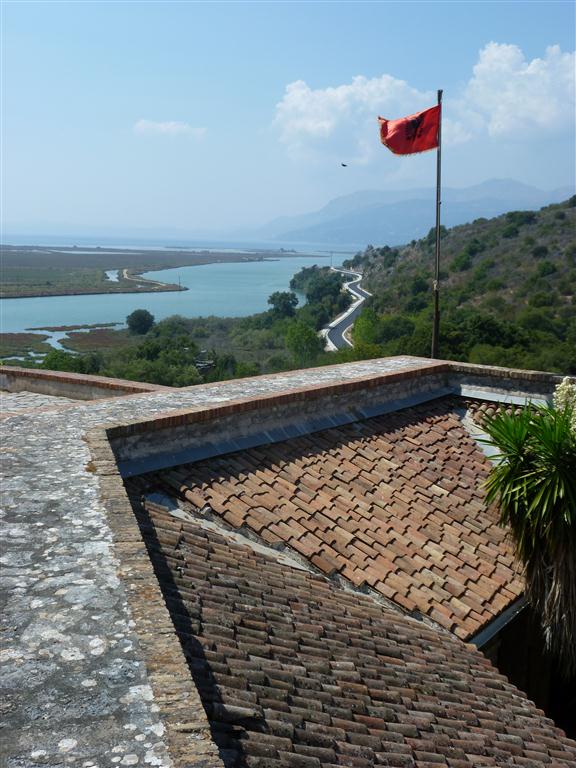
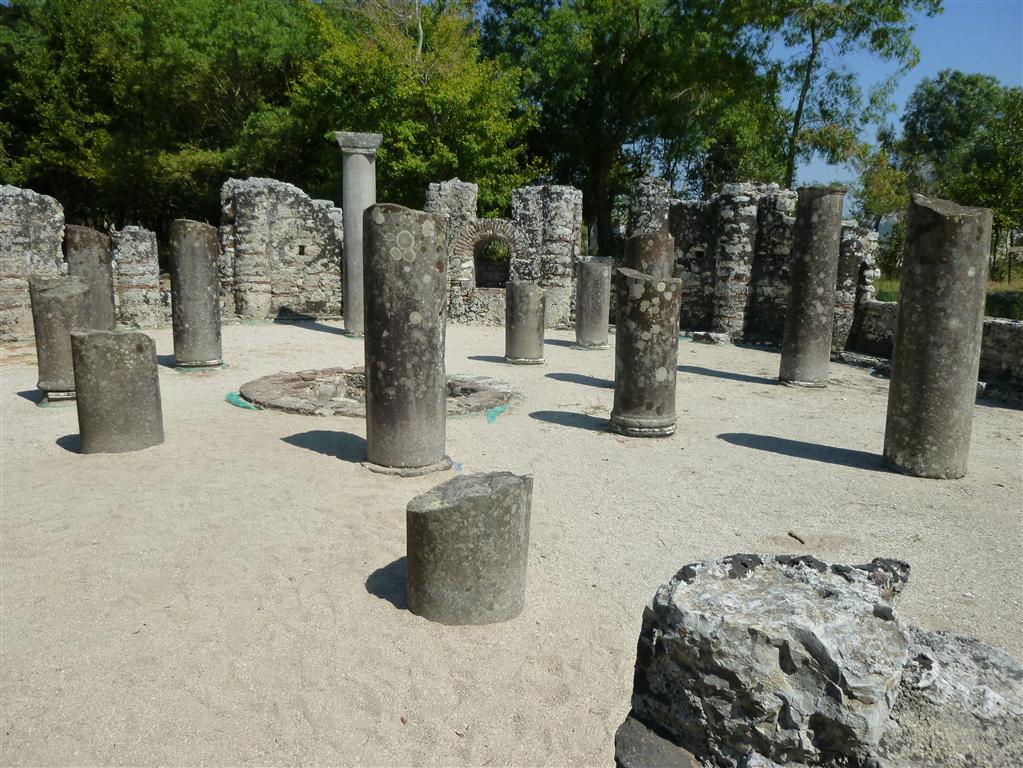
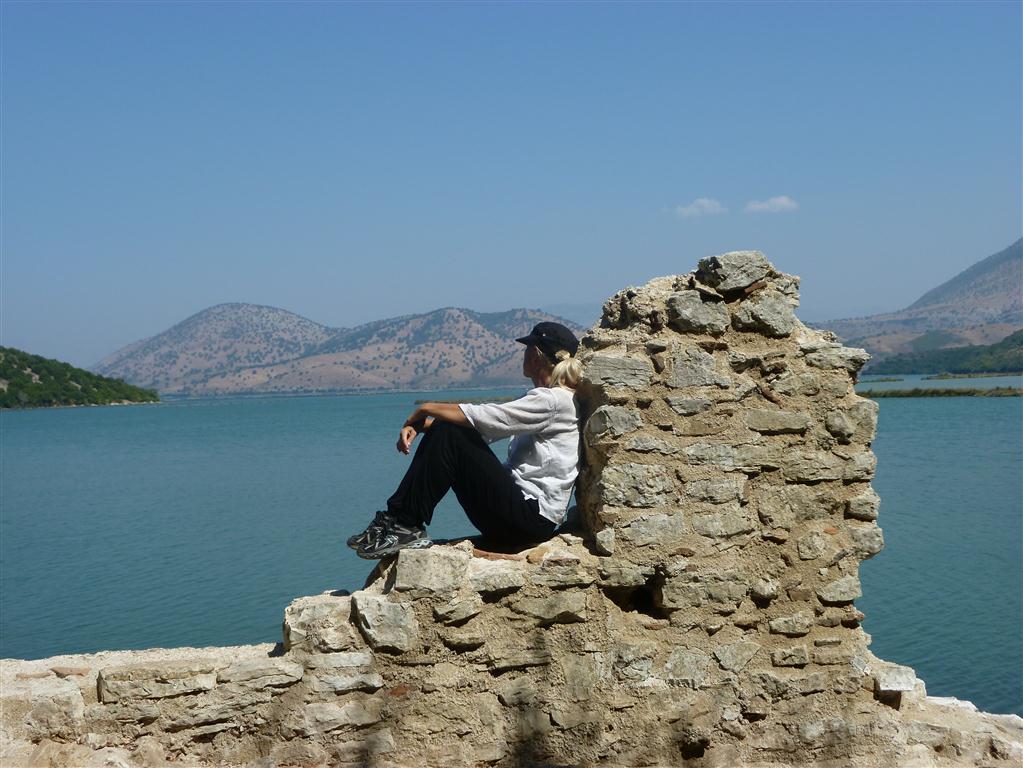
One highlight of our stay at Sarande was the drive down to Butrint (www.butrint.com), one of the most famous archaeological sites of the Mediterranean region. Many tourists are coming here, also from nearby Greece and the island of Corfu. Here you can feel and touch antique times, dating back at least 20.000 year. Greek and Romans came and left. Here Caesar had his military headquarter and because of the pleasant climate wealthy Romans came for living. Even Cicero visited once his rich friend Atticus in Butrint. Along an idyllic path we wandered through the site, saw the Roman theatre, the ancient walls and the Venezian castle. Since the location of Butrint is on a pitturesque peninsula, we had wonderful views to a small lake and forestry hills. The site has fortunately some donors, the Butrint Foundation which takes good care of the excavations.
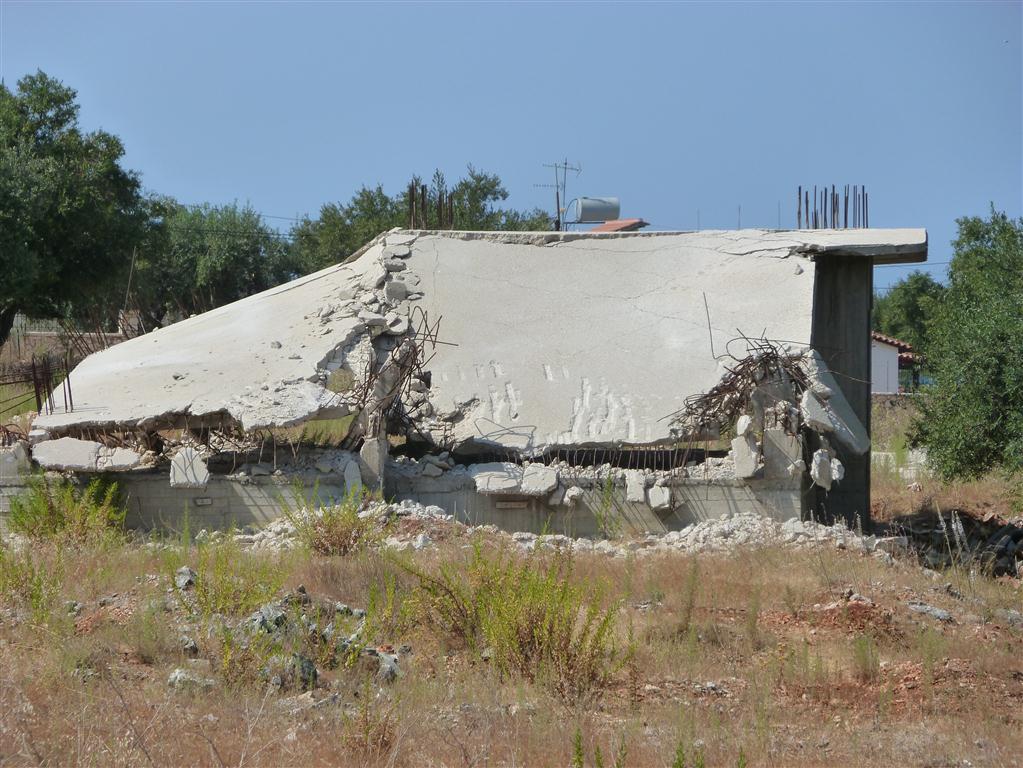
On our way back to Sarande we saw especially in the village of Ksamil many houses with destroyed roofs. I got to know that this is the result of a government measure in May 2010. Caterpillars and bulldozers destroyed all after December 2006 illegally built houses, accompagnied by Police troops. It hit many middle income Albanian families which constructed small hotels or guest houses for the tourist in order to make a living. Their men worked years abroad to earn money and invested their income back home. Today they are not more than memorials of construction mistakes at the idyllic Albanian coast.
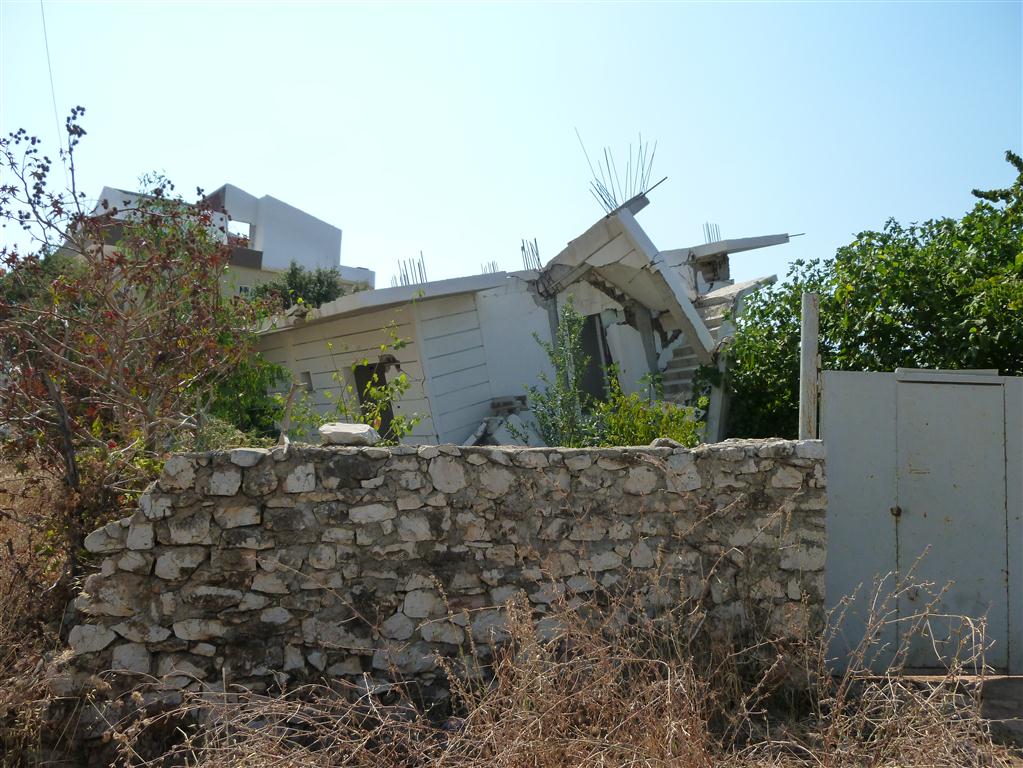
After some days we started to drive back. Hours along the curvy coast line, than via Vlore, Fier and Durres we headed north.
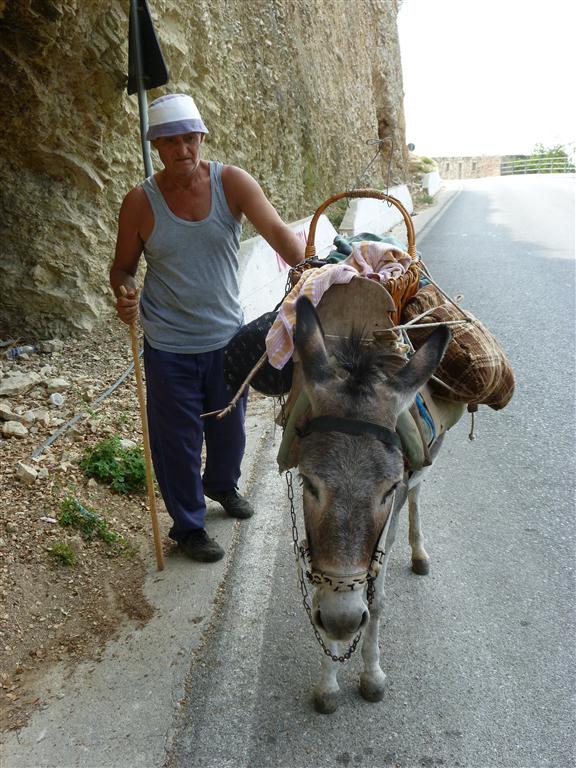


Montenegro … again
Bar
We arrived at the tourist town of Bar in the evening. We wanted to continue with driving but it got dark and Montenegro has no highway but only mountain roads. We stayed at a hotel which was loud, crowded by pupils on class excursion and a bunch of referees who had their annual meeting. Bar itself I consider as ugly without any atmosphere. We had a lousy dinner in one of the street restaurants. And I had the worst breakfast in my life the next morning in the hotel. Scrambled eggs soaked with oil, fruit juice out of water with some instant fruit powder, coffee was already out and at least the herbal tea was ok. Also that kind of experience belongs to travelling.
Kotor
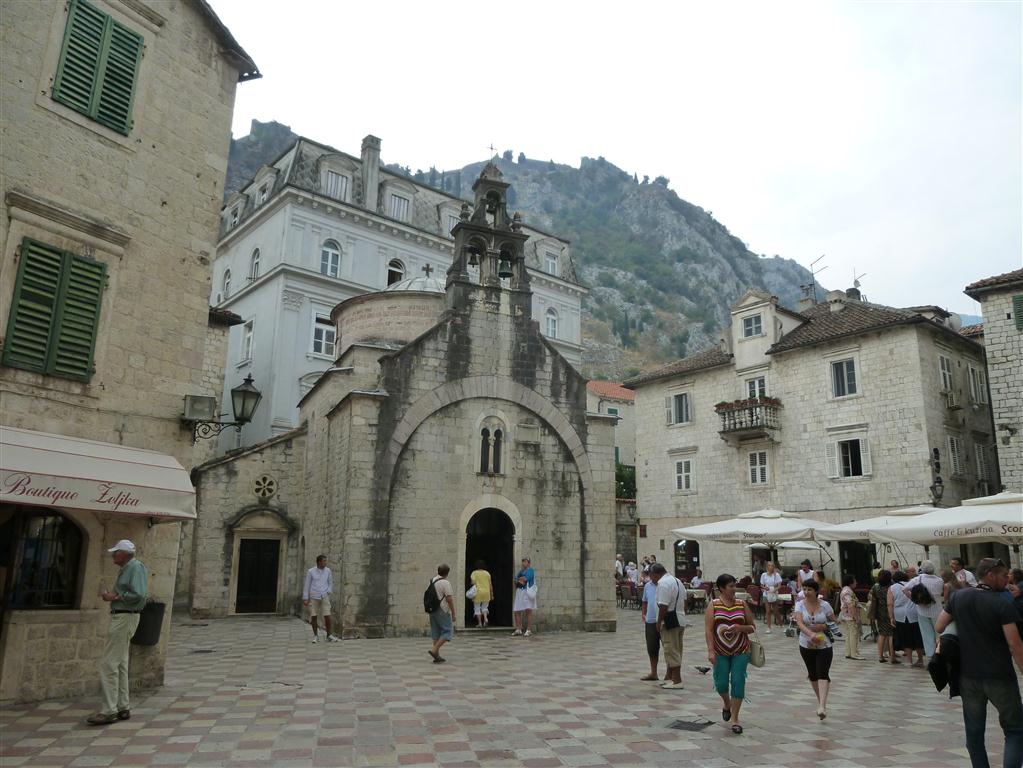
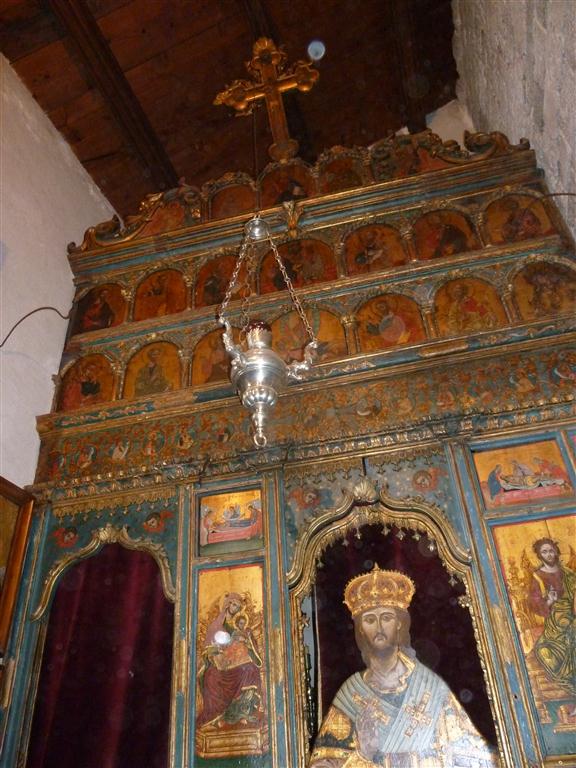
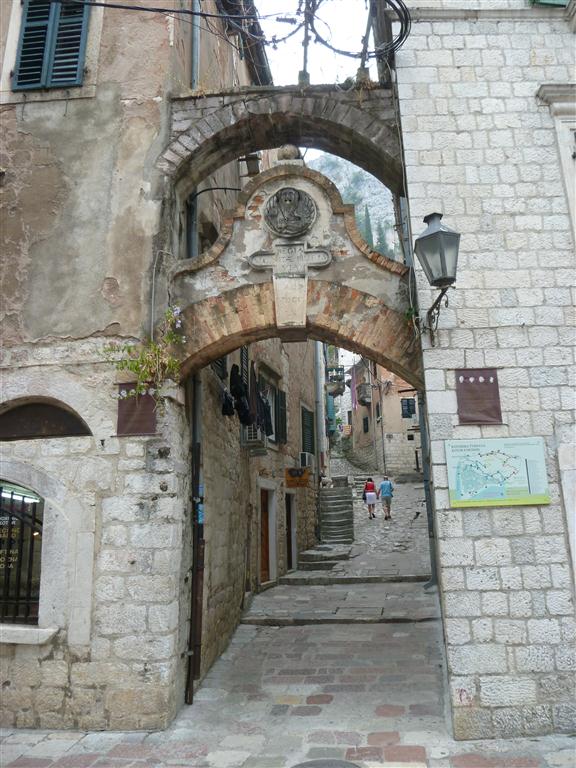
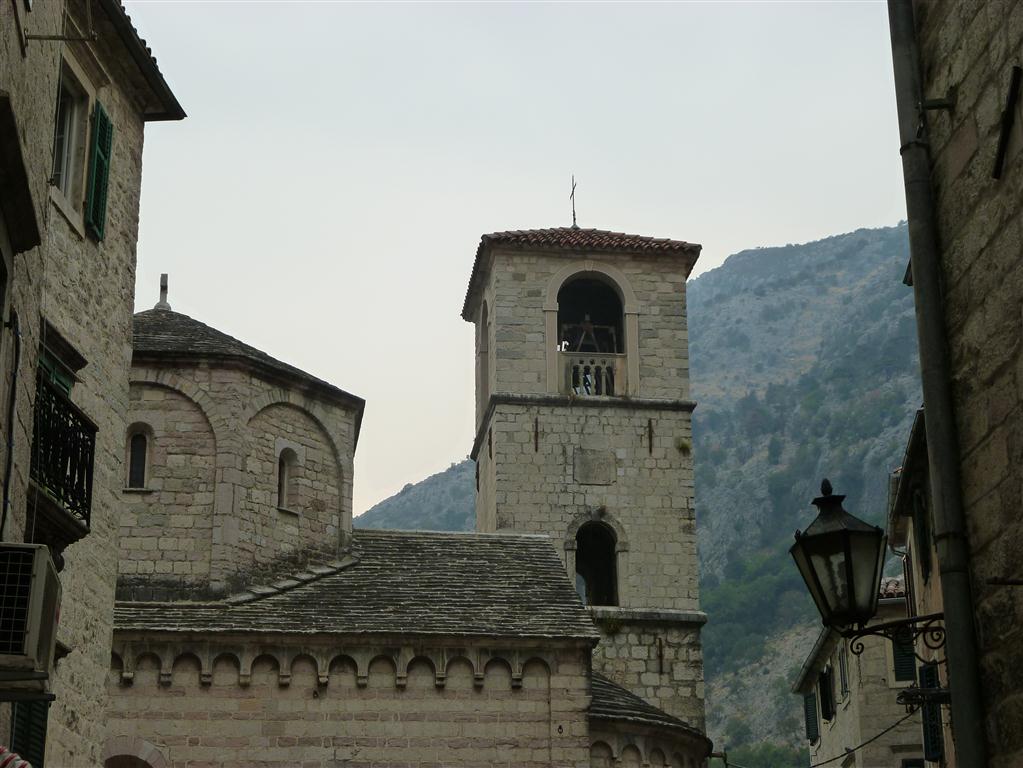
Montenegro has a real treasure to offer. Kotor at the bay of Kotor is one of those places and has, of course, the status of another world heritage site, the only one in Montenegro. When we travelled around the country people told us, how proud they are of this status and refer to Kotor as unique. The historic scene attracts every day many cruise liners from all over the world and the tiny streets are filled with tourists. Thick walls surround the old town and during my first visit here in 2003 the town had a mystic and dark atmosphere. I don´t remember any tourists, but nowadays I have been surprised by the attraction the place has to foreigners. We strolled around the small alleys, watched the unbelievable number of tourists but still I remember my feeling I had in 2003: Was it then a fairy tale, something unreal? I do not have an answer. I just have been astonished.
Herceg Novi
Herceg Novi is the last town before the border into Croatia and is also located on the bay of Kotor. Only the small old town is interesting. The new parts are covered with apartments and hotel buildings in socialist style. As anywhere else in Montenegro the city is dominated by wealthy Russians, who buy all kind of properties. We had lunch in a restaurant recommended by locals and strolled around the old town. Nothing more, just a short break on our long drive back home.

Photo Collage Title: Nicola Mesken (www.nicola-mesken.com)
All other photos: sl4lifestyle


Trogir/Kroatien/September 2012

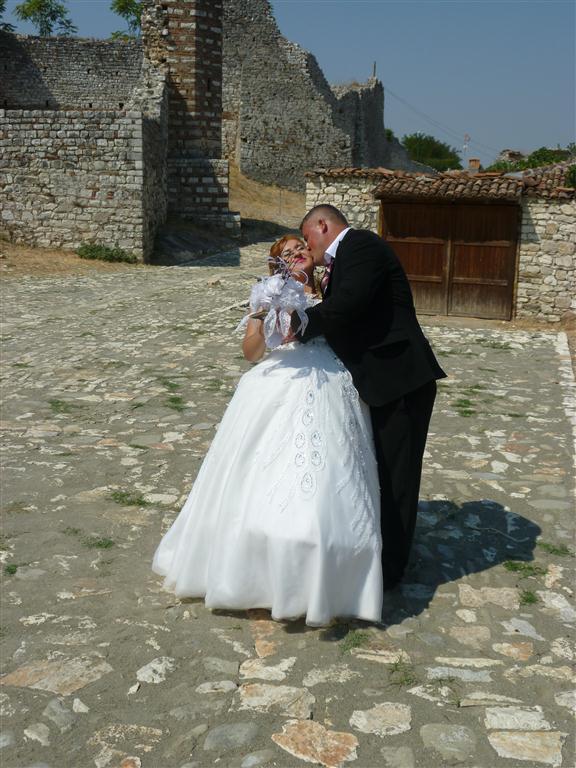 Berat/Albanien/September 2012


 sl4lifestyle - Sabines Magazin für Reisen, Lifestyle und mehr