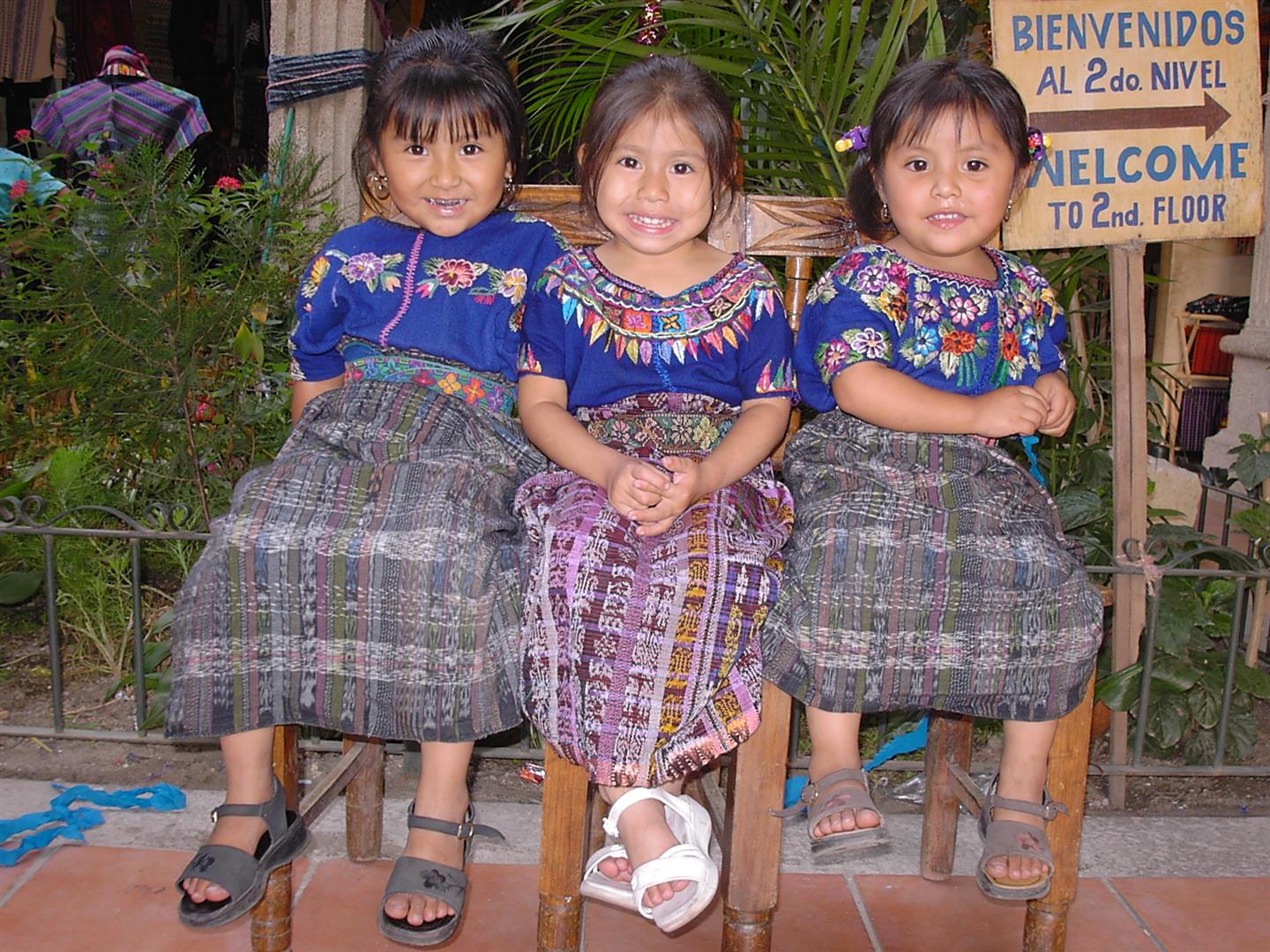
Foto der Woche – Grüße aus Guatemala

214 San Antonio Aguas Calientes Kunsthandwerkszentrum 3 Mädchen (Large)San Antonio Aguas Calientes, Guatemala

Veröffentlicht unter Foto der Woche | Verschlagwortet mit , , , | 1 Kommentar

Da Mariella: School of Radicchio

DALL’ ITALIA CON AMOREritratto_mina (Large)FROM ITALY WITH LOVE

Era da un po’ che volevo proporre un piatto a base di radicchio, dopo tutto sono veneta e quindi con orgoglio parlo delle eccellenze della mia regione.

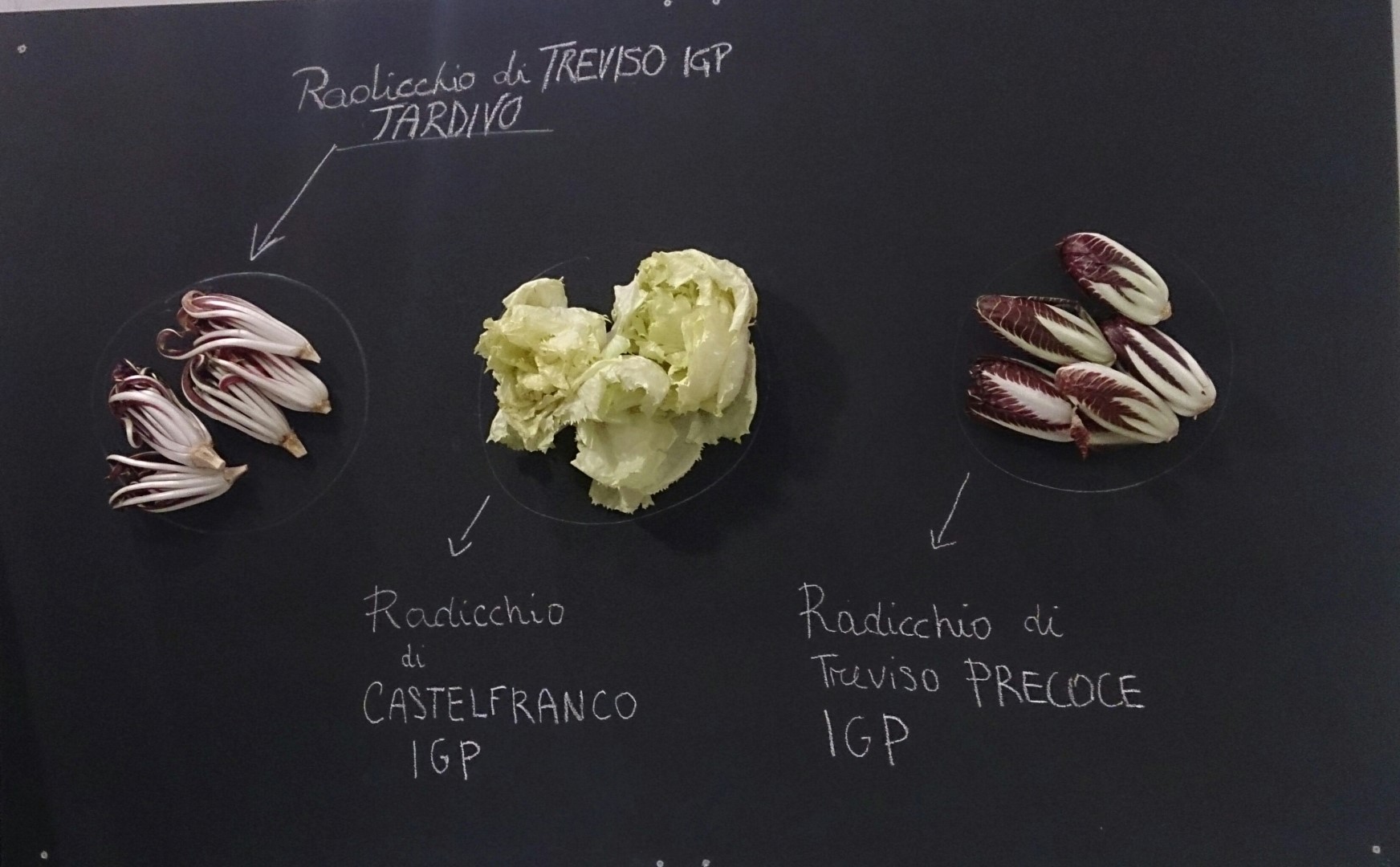
Girovagando per le fiere ho trovato questa simpatica lavagna con tre tipi di radicchio che hanno acquisito la certificazione di Indicazione Geografica Protetta (IGP). Non ho resistito e l’ho fotografata!

Il radicchio rosso di Treviso è una varietà di cicoria, è caratterizzato da un colore rosso scuro intenso, da striature bianche, da una consistenza croccante e da un inconfondibile gusto delicatamente amarognolo.cover (Large)

La coltivazione del Radicchio Rosso di Treviso è frutto di una tradizione che affonda nei secoli: veniva coltivato già dalla metà del XVI secolo. Lo si vede rappresentato in alcuni dipinti come „Le Nozze di Cana“ di Leandro da Ponte detto Il Bassano (oggi al Museo del Louvre di Parigi). Ma il processo di produzione si sarebbe affinato solo nella seconda metà del XIX secolo. Sarebbe stato il vivaista Francesco Van Den Borre, giunto dal Belgio nel 1870 per realizzare un giardino patrizio, a portare nella zona del Trevigiano la tecnica di imbianchimento già in uso per la cicoria belga. È nell’anno 1900 che il Radicchio Rosso di Treviso raggiunge la consacrazione con la realizzazione sotto la Loggia dei Grani di Piazza dei Signori a Treviso della prima mostra dedicata ai produttori del Radicchio Rosso di Treviso e voluta dall’agronomo di origine lombarda, Giuseppe Benzi.

Si presenta in due varianti: precoce e tardivo.

Il Radicchio Rosso di Treviso Precoce, meno pregiato, ha foglia più larga e sapore più amaro. Viene coltivato in campo aperto e dopo l’estate, i cespi vengono legati per proseguire la maturazione e l’imbianchimento forzato. Segue quindi la raccolta e la toelettatura prima della commercializzazione.

Il Radicchio Rosso di Treviso Tardivo è invece assai più pregiato, in ragione della complessità del processo di produzione. Si presenta con foglie lunghe e affusolate, con una costa centrale bianca e foglie di un colore rosso-violaceo intenso. Secondo il disciplinare di produzione la raccolta dal campo aperto può iniziare solo dopo che le piante abbiano subito due brinate. Una volta raccolto (ancora con il suo fittone o radice) viene legato in mazzi e posto con il fittone immerso in vasche di acqua di falda a temperatura costante (12-15 gradi) per la fase di imbianchimento. La temperatura mite dell’acqua favorisce la ripresa del processo vegetazionale, ma l’assenza di luce impedisce alla pianta di produrre clorofilla: da qui il colore tipico e l’ammorbidimento delle note amare della cicoria. Dopo un periodo di forzatura in acqua, che varia dai venti ai quindici giorni, il Radicchio Rosso di Treviso Tardivo IGP è pronto per la toelettatura finale.

Radicchio Variegato di Castelfranco Le foglie hanno un colore bianco crema con variegature che vanno dal rosso al viola chiaro.

Il radicchio di Castelfranco nasce nel 1800 da un incrocio del radicchio rosso di Treviso e l’indivia scarola (anch’essa facente parte delle cicorie).

I radicchio, sia rosso sia verde, può essere consumato crudo in insalata o cotto. Per quel che concerne le pietanze a base di radicchio si potrebbe scrivere un libro… In particolar modo quello tardivo di Treviso è oggetto di molte ricette locali. E’ un ingrediente fondamentale per svariati primi piatti della zona, ottimo poi alla griglia ma anche in pietanze composite tipo involtini, scaloppine e arrosti con radicchio; inoltre, la varietà di salse che lo contengono è praticamente sconfinata. E per finire anche l’Amaro al radicchio rosso di Treviso che viene prodotto in tutta la provincia di Treviso. Il suo segreto deriva non solo dall’utilizzo di un prodotto conosciuto e stimato in tutto il mondo, ma anche dalla tecnica utilizzata per l’infusione e la distillazione, che viene tramandata da generazioni. L’Amaro sia all’olfatto che al gusto riporta il classico sapore del radicchio di Treviso, con profumo erbaceo, gusto pieno e retrogusto amarognolo. Viene generalmente consumato come digestivo dopo i pasti.

Ovviamente la mia prossima ricettina sarà a base di … radicchio!

Veröffentlicht unter Da Mariella | Verschlagwortet mit , , , , , , | Hinterlasse einen Kommentar

Wiedersehen und sich erinnern …

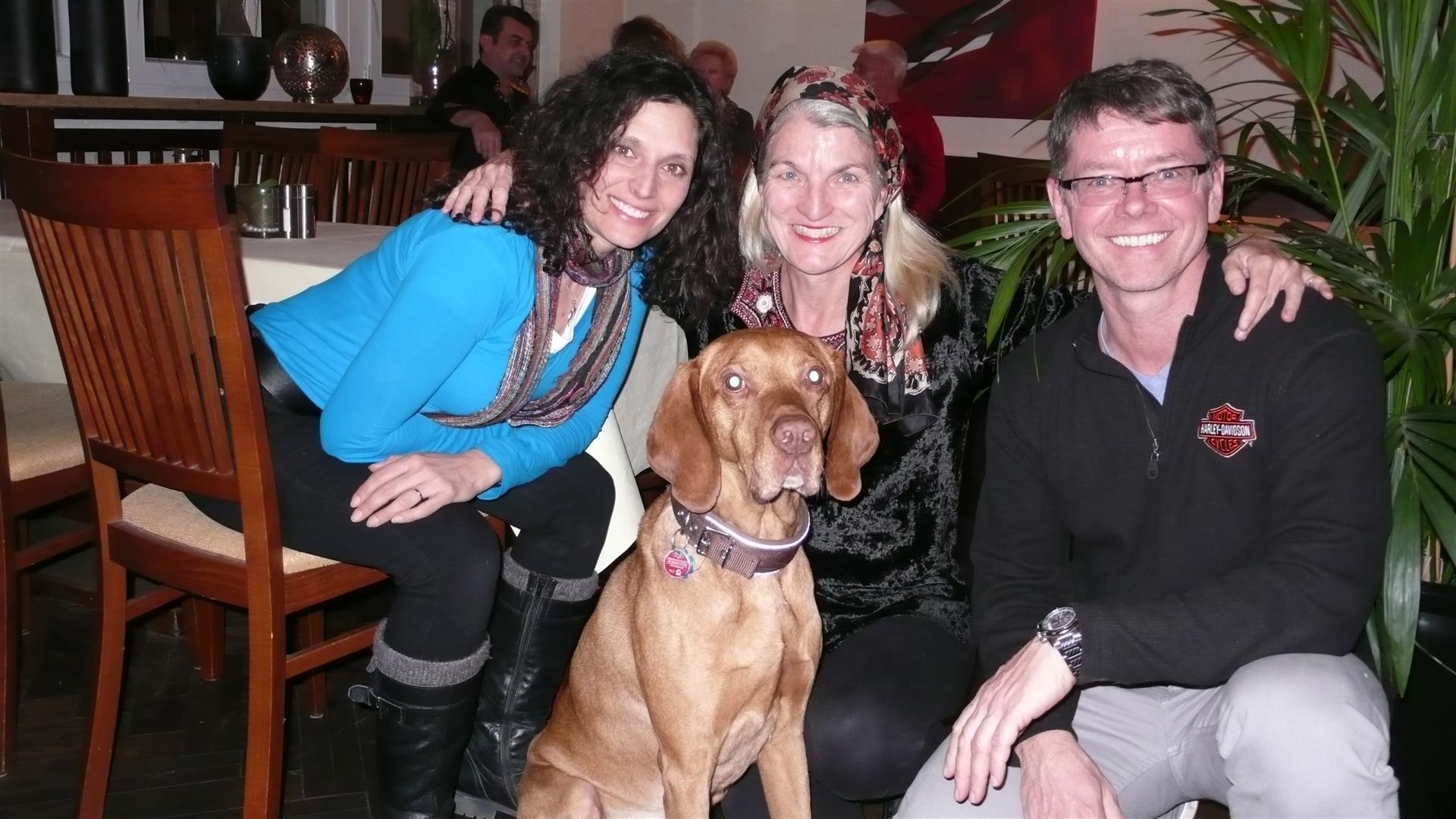
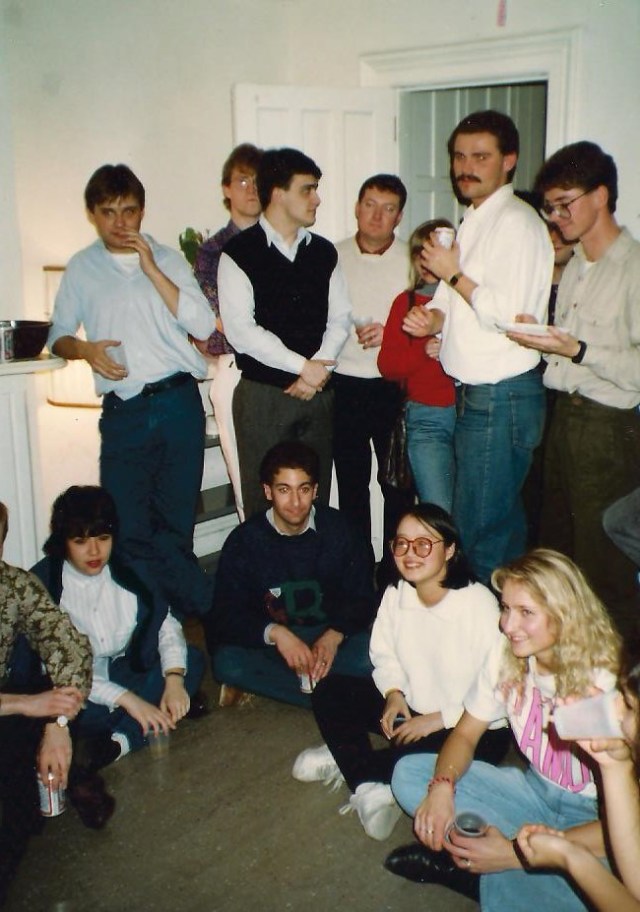
L1160697 (Large)Gestern war mal wieder so ein Abend, den man nicht vergisst. Und der einen an die verrückten Zeiten vor vielen Jahren erinnert. An eine Zeit, in der man zum ersten Mal von zuhause weg war und in einem anderen Land gelebt hat. Genauer gesagt in den USA. Zum Studium in Albany, New York.

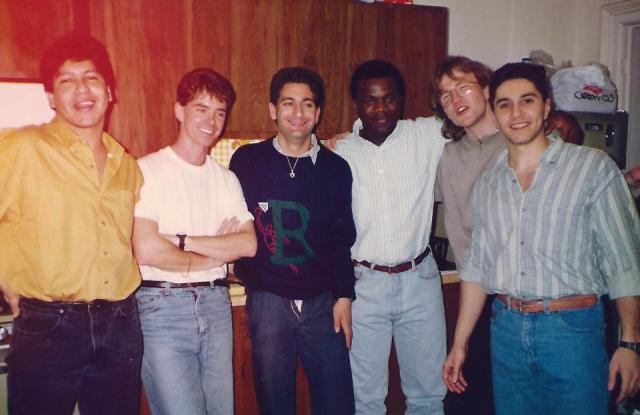
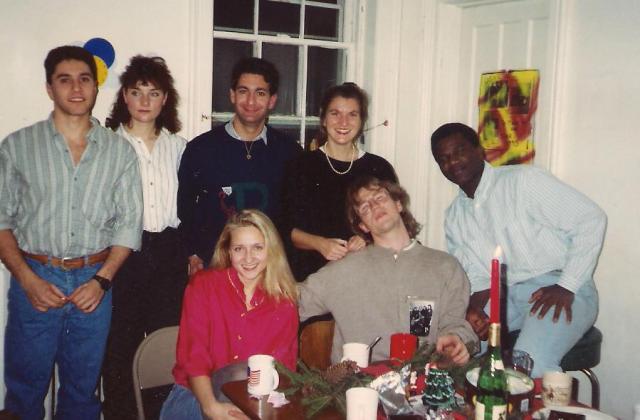
Und hier sind wir wieder: Meine Mitbewohner aus der 202 Central Avenue auf Kurzbesuch in Deutschland: Danielle und Jürgen. Sie haben sich vor meinen Augen und in unserer gemeinsamen (ingesamt hatte ich 4 Mitbewohner!) Wohnung kennen gelernt und sind mittlerweile seit vielen Jahren verheiratet. Sie leben immer noch „drüben“, auf Long Island.

Und uns verbindet verdammt viel! Nicht nur die besten Partys, die diese Stadt drei Busstunden nördlich von New York City erlebt hat, auch die gemeinsamen persönlichen Erlebnisse, die wir geteilt haben:

Prüfungsängste, gemeinsame Lernstunden, Liebeskummer, To do-Listen rund um den WG-Haushalt, gemeinsame nächtliche Supermarkteinkäufe, besagte Partyvorbereitungen, Schneeballschlachten im Washington Park, und, und, und …

Danke, dass es Euch gibt!

Above all, embrace and chase what makes you happy.

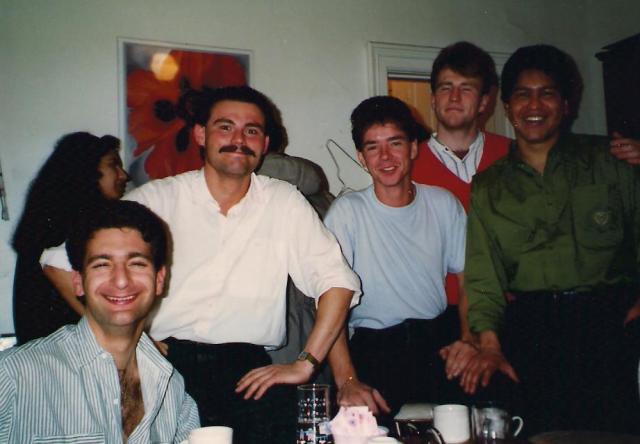
Damals, vor vielen Jahren, in unserer WG in Upstate New York …

Veröffentlicht unter Glücksbote, Reise, Sabine’s world: A travel diary | Verschlagwortet mit , , , , , , , | 2 Kommentare

The best festivals around the world

L1160379 (Large)Here it is: My traveller’s bucket list for the Top Six once-in-a-lifetime festivals worldwide in 2015.

Hongkong, China
Bun Festival
May 22 – 26, 2015
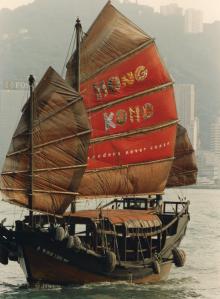
HK 001The Cheung Chau Bun festival may be one of the most original festivals in the world. Every year the people of this small island, about 45 minutes by ferry from Hong Kong get busy making papier-mâché effigies of deities, preparing costumes, baking buns and building a bamboo tower. The preparation is for an annual festival – started in the late Qing dynasty (1644-1911) – to ward off evil spirits besieging the island.

Festivities include a Bun Scrambling Competition where competitors race up a tower of buns and Taoist ceremonies. A highlight is a colourful parade where young children dressed as traditional idols and modern celebrities balance on poles.

Aomori, Japan
Aomori Nebuta Matsuri
August 2 – 7, 2015

The glow of 20 or more massive traditional floating lanterns ornamented with human figures light up Aomori each August. Gleeful dancers chant, “Rasse, rasse, rasse ra!” as the floats wend their way through the streets of the city, all in costume. In fact, anyone in the traditional costume can join in and move as the hayashi music plays, and it is highly recommended to experience the festival from this insider’s point of view. Don’t forget to take a look at Nebuta Koya, the sheds where the elaborate floats are built. For a more in-depth look, browse Wa Rasse as well, an arts and culture centre dedicated to the yearly festival.03 Dadurch wird der Ballon nach dem archimedischen Prinzip „leichter als Luft“. (Large)Bristol, United Kingdom
Bristol Balloon Fiesta
August 6 – 9, 2015

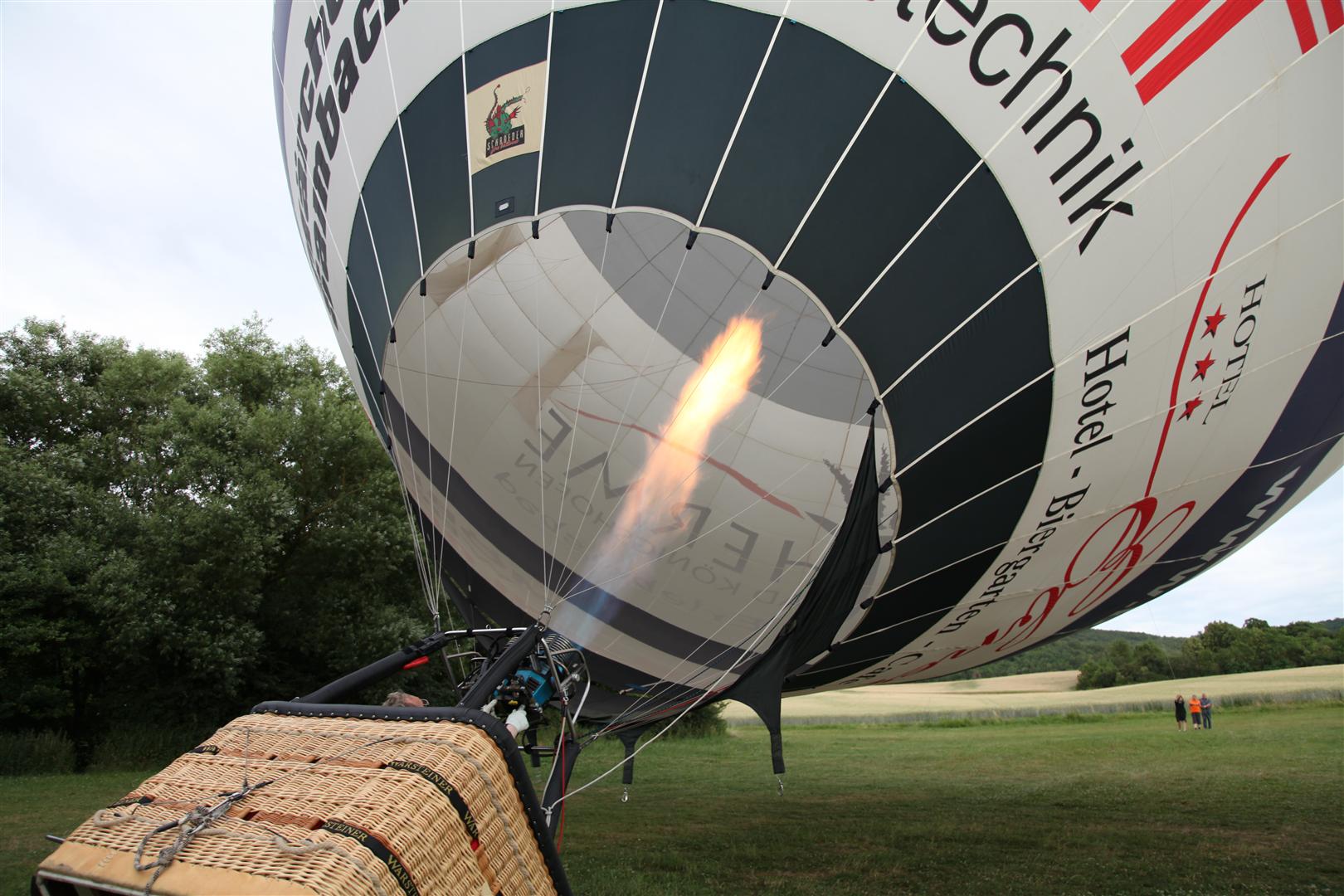
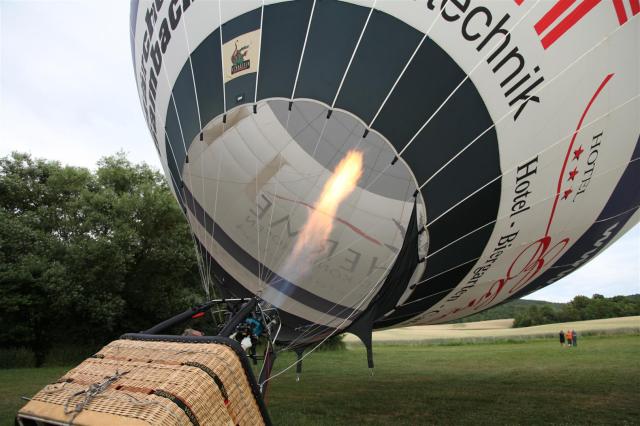
This mass gathering of international balloonist and over 100 balloons makes this one of the UK’s most celebrated festivals. This dusk and dawn, four-day event takes place in the beautiful Ashton Court Estate, with the highlight being the Night Glow, when hot-air balloons are illuminated in time with music. Many take advantage of the campsite and spend their weekend at the festival and fair grounds. Half a million visitors typically attend, pulled by the beautiful sight of the massive, floating wonders. Helicopter trips and balloon rides are offered for those who want the best view, but they are booked out quickly, so do plan in advance.

Thimphu, Bhutan
Thimphu Tsechu
September 23 – 25, 2015

Thimpu, the capital of Bhutan (and the largest city in the Buddhist country), is home to one of the largest tsechus, a three-day celebration of song, dance and social gatherings that brilliantly displays the culture of the land-locked nation. Dancers in elaborate costumes and masks perform stories based on moral vignettes or religious tales. Presented at monasteries, these tales are said to confer good luck upon onlookers. There are also colourful performing clowns or atsaras, who help prevent illness from befalling the celebrants and skits to raise awareness. For the mainly agrarian Bhutanese, the festival is a welcome respite from rural farm life. A more authentic, less touristy tsechu experience can be found at tha Paro Tsechu.

Thimphu was made the nation’s capital over 50 years ago, though small settlements have been around for several centuries. Religious and cultural sights dominate the tourist landscape, such as the 15th-century Changangkha Lhakhang, which boasts gorgeous views over the entire Thimpu valley. The National Folk Heritage Museum is also worth an afternoon; or head to the National Institute of Traditional Medicine to be treated by the ancient medicinal traditions of the region.L1160376 (Large)Berlin, Germany
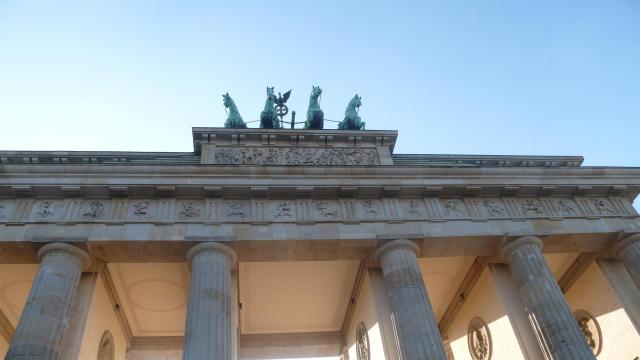
Festival of Lights
October 2015

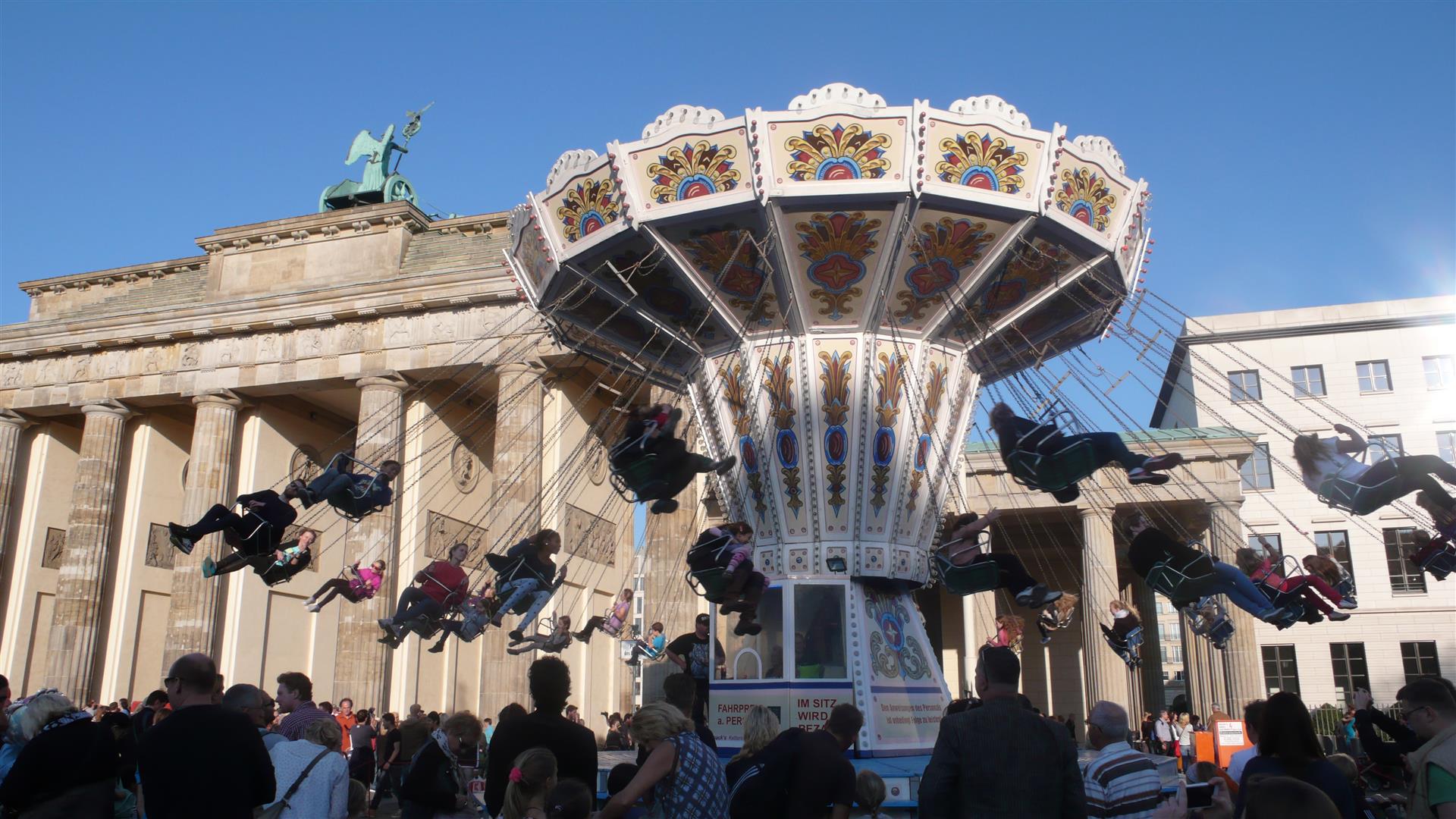
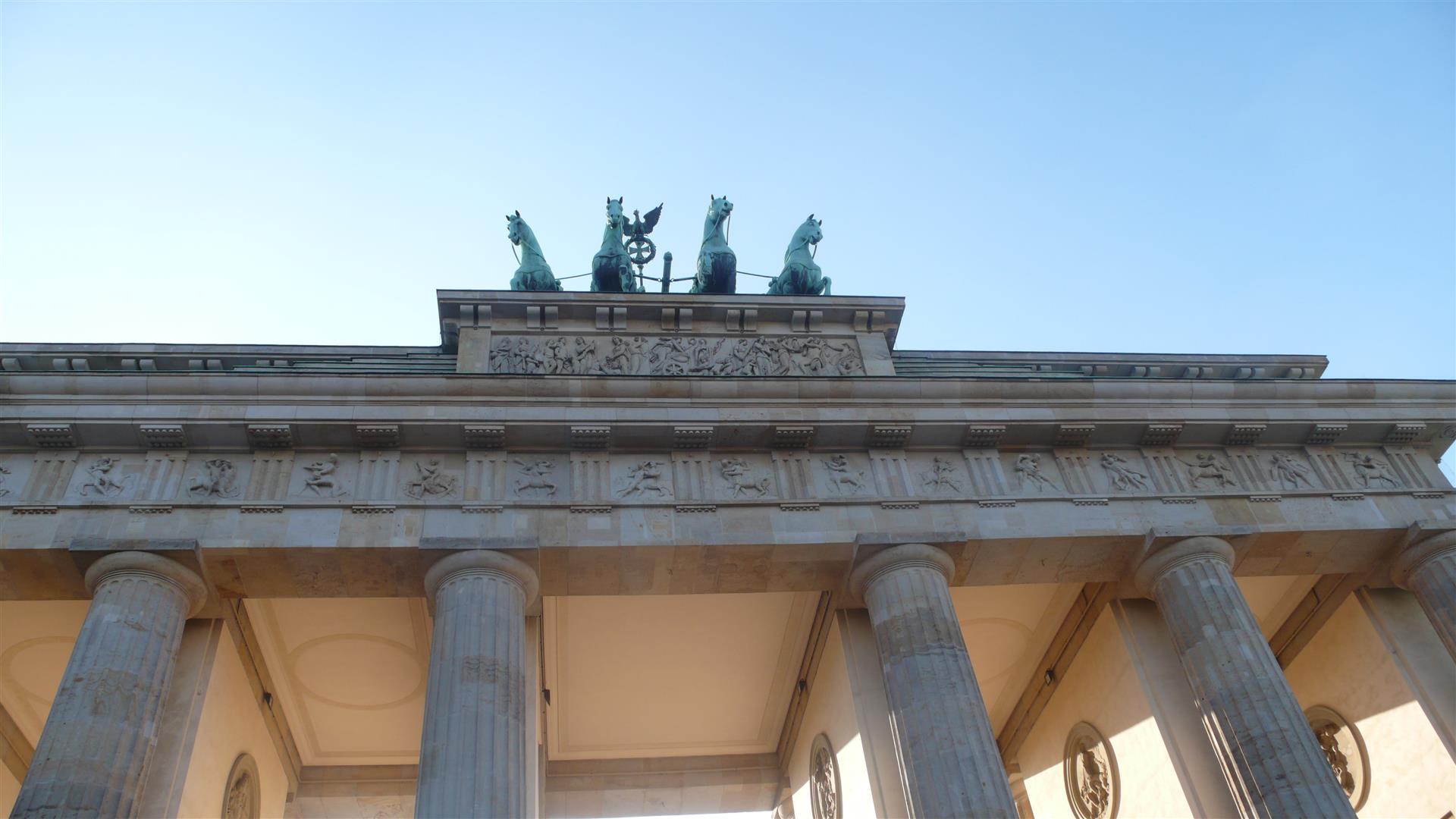
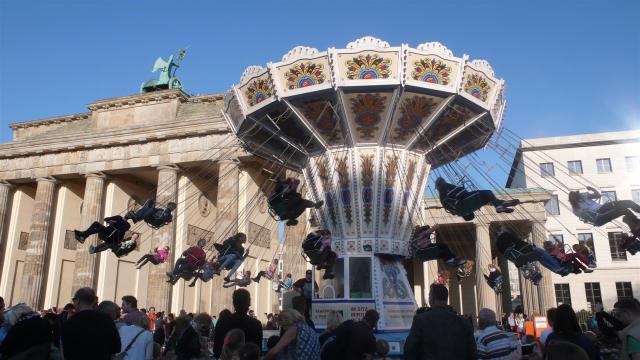
With its 10th anniversary celebrated in 2014, this relatively young festival is nonetheless a must-see for those interested in less boisterous celebrations, or for more cost-conscious travelers. For one to two weeks, famed city sights such as the Brandenburg Gate, Fernsehturm, Berlin Cathedral or Berlin Victory Column are decorated and illuminated with vibrant lights and video projections with their tones changing over time. Light and classical music displays are projected and broadcast at the monuments, lending a pleasing contrast where history meets modern art.DSCF5357 (Large)Rajasthan, India
Pushkar Camel fair
November, 18 – 25, 2015

Pushkar Camel fair is an event in Rajasthan cherished with life oozing activities such as cultural and musical events, thrilling camel safari tours and a stay in the traditional camps making you feel like a local. Pushkar fair is an experience of a lifetime.

The fair embarks in Kartik Shukal Ekadasi and falls in the month of October – November. This five day long fair is celebrated till five long days till the Kartik Purnima and holds the sole aim of trading cattle including camels, horses, cows, goats, sheep etc. Once the trading of cattle gets completed, they are then bred and decked up with beautiful clothes and dazzling ornaments for public displays.

Every year Pushkar Fair is celebrated with great vigor by the locals of Rajasthan. The images of silver bells making heart pleasing jingles and animals walking over sparkling sand dunes are usual yet fascinating at this stunning cultural retreat.

Veröffentlicht unter Reise, Sabine’s world: A travel diary, sl4lifestyle empfiehlt ... | Verschlagwortet mit , , , , , , , , , , , , , , , , , | 1 Kommentar

Von Freitagspferden und Siechenklappern

Zu Besuch in Deutschlands einzigem Lepramuseum

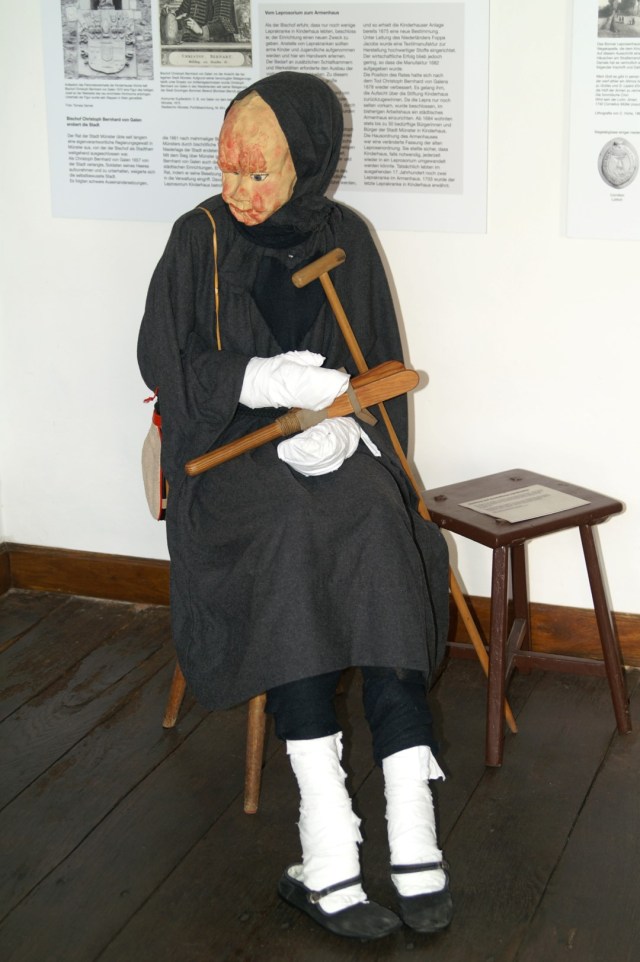
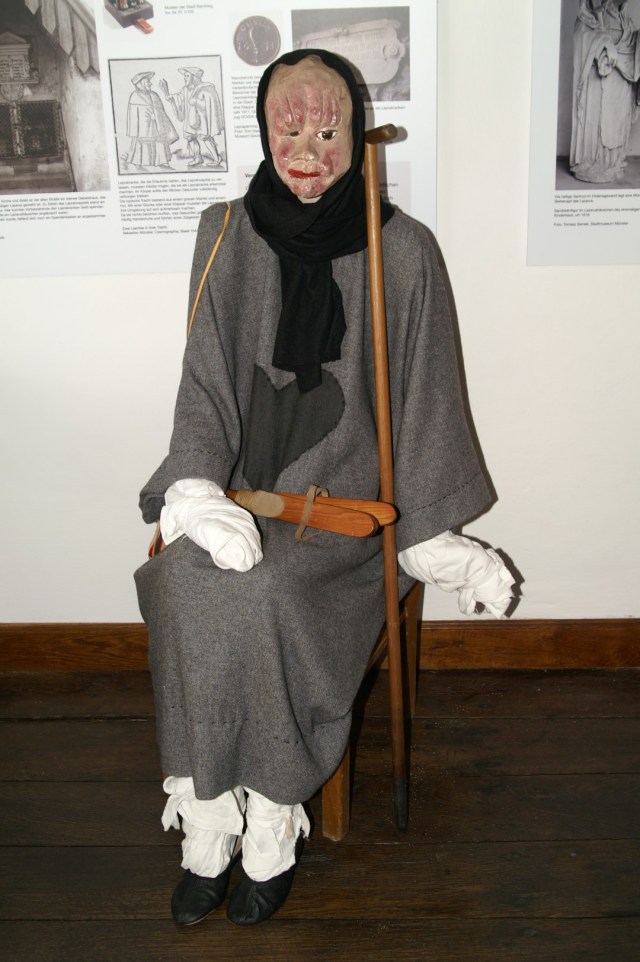
Zwei lebensgroße Figuren begrüßen die Besucher des Lepramuseums in Münster. Unheimlich sehen sie schon aus in ihren weiten grauen Mänteln und den groben, entstellten Gesichtern, die ihnen die Krankheit gegeben hat. Fast echt wirken sie in der originalgetreuen Umgebung des Hauses, das erstmals 1333 in den Urkunden der Stadt Münster als Leprosarium Erwähnung fand.

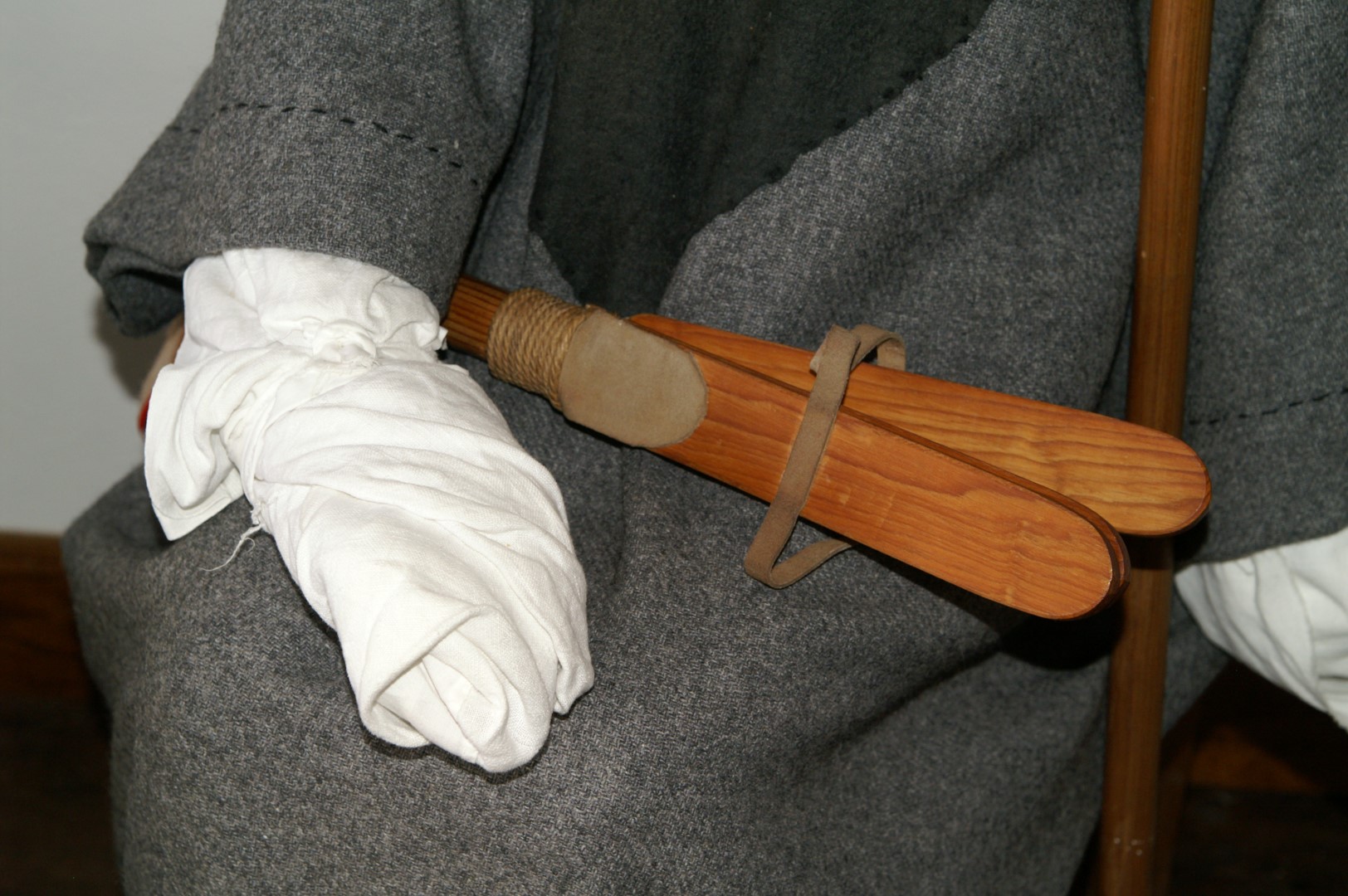
Um als solche erkannt zu werden mussten Leprakranke über ihrer Kleidung einen Siechenmantel tragen. Er trug somit zu ihrer Isolierung und Stigmatisierung erheblich bei. Nicht fehlen durfte die Siechenklapper, durch deren scheppernden Lärm die Betroffenen gesunde Personen vor sich warnen mussten. Das Instrument bestand aus drei losen miteinander verbundenen Holzstücken und verursachte die typische Melodie der Leprakranken, wenn sie auf den Straßen unterwegs waren.KONICA MINOLTA DIGITAL CAMERA

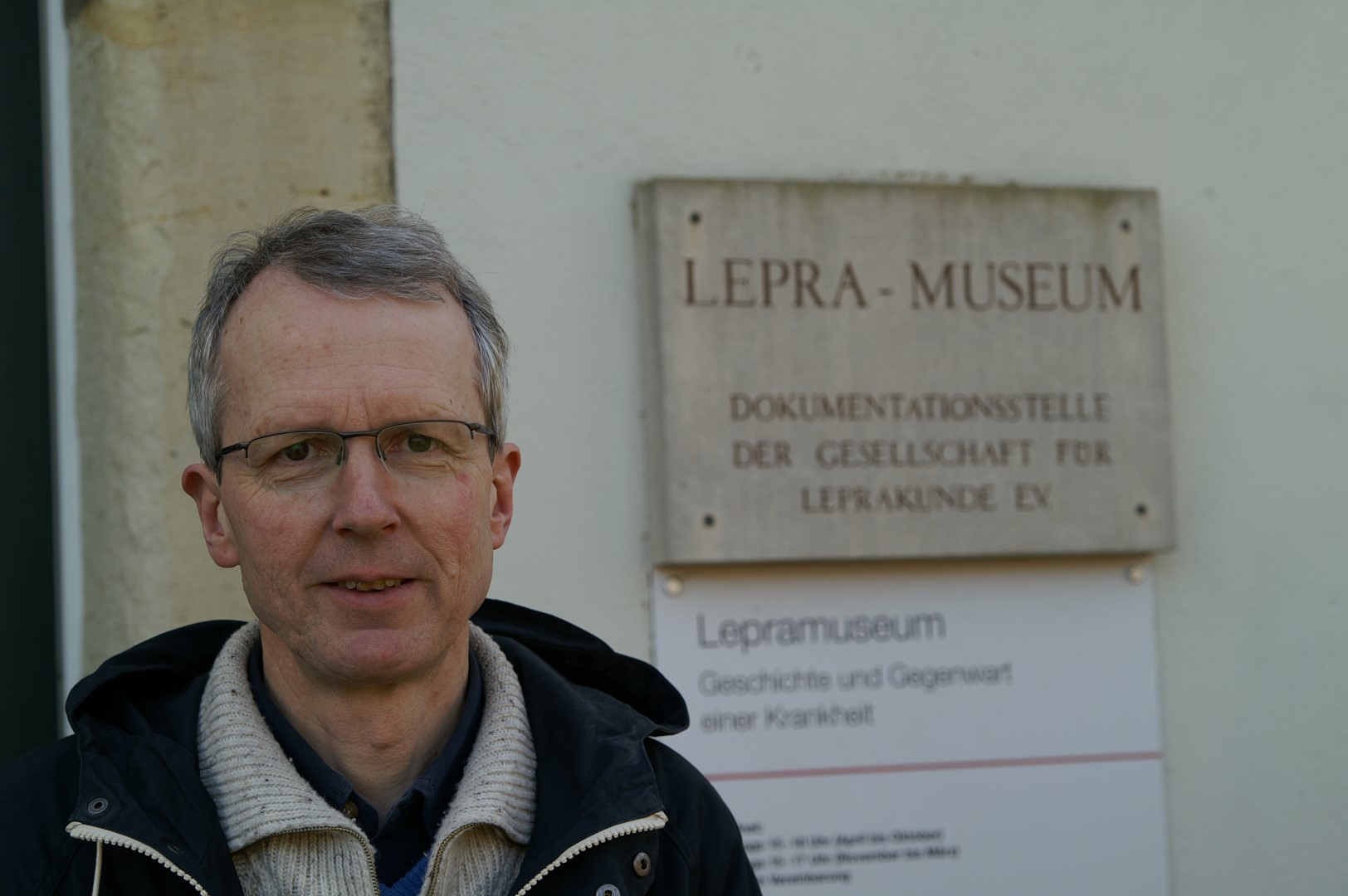
KONICA MINOLTA DIGITAL CAMERADr. Ralf Klötzer ist seit 2005 Vorsitzender der Gesellschaft für Leprakunde sowie des Lepramuseums. Er ist Historiker aus Leidenschaft und kam durch einen Auftrag des Stadtarchives im Jahre 1992 erstmals mit der Geschichte der Seuche in Berührung. Eigentlich schon viel früher, denn als Kind, so erinnert er sich, hat er aus alten Bettlaken Streifen gerissen und sie als Binden und Wundmaterial in die armen Ländern geschickt. „Sie waren damals schon für Leprapatienten bestimmt. Dieses kindliche Wissen hat mich dann nicht mehr losgelassen.“

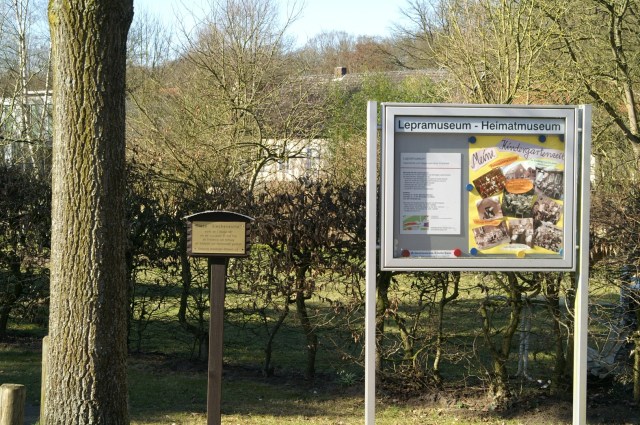
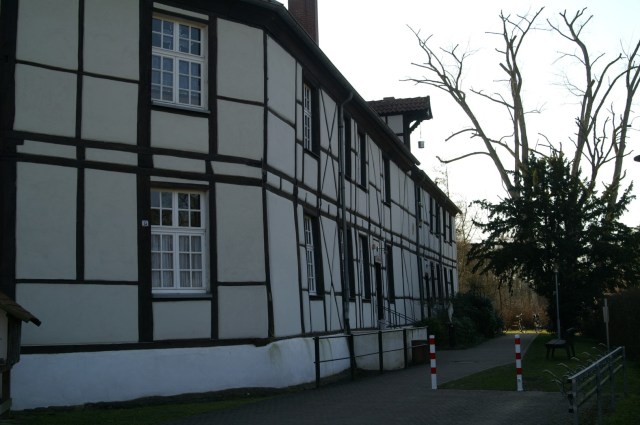
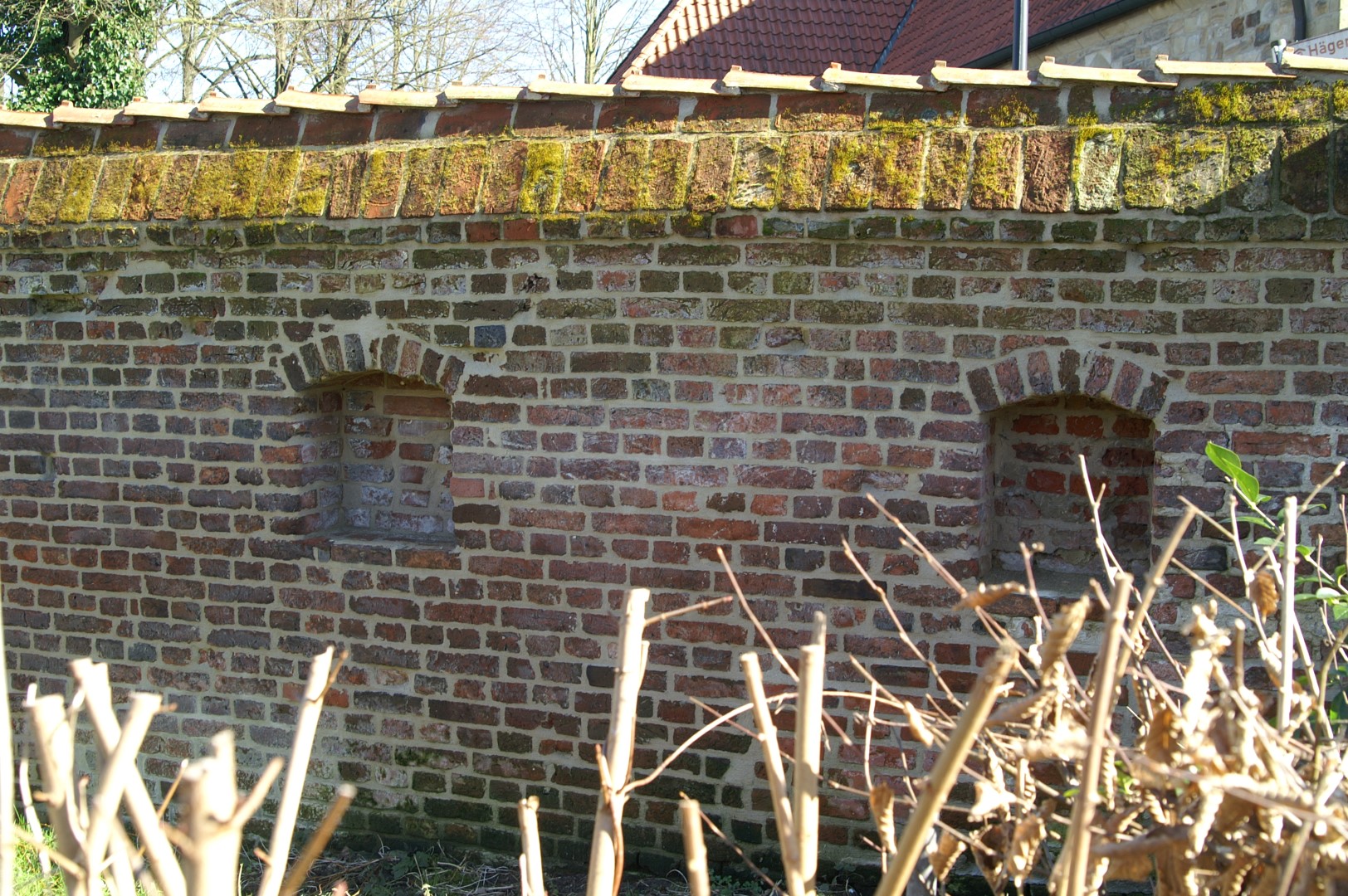
Der Stadtteil Kinderhaus liegt rund 4 Kilometer nördlich des Stadtzentrums von Münster. In idyllischer, ländlich geprägter Umgebung mit Schrebergärten und vielen Bäumen stand einst das Leprahospital, genannt „Kinderhus“ der Stadt Münster. Davon sind noch die Umgehungsmauer sowie das Armenhaus mit dem Provisorenhaus übrig, in dem sich heute neben dem Heimat- auch das Lepramuseum befindet. „Es ist das einzige Lepramuseum in ganz Deutschland“, betont Dr. Klötzer. Er zeigt auf zwei zugemauerte Fenster in der Mauer. „Hier konnten die Kranken nach draußen sehen und das Geschehen auf der Straße beobachten.“ KONICA MINOLTA DIGITAL CAMERAGleich neben dem früheren Hospital stehen die frühere katholische Gertrudenkirche, heute Josefskirche genannt und ein Heiligenhäuschen mit der Heiligen Gertrud als Schutzpatronin der Leprakranken. Davor, auf der früheren Dorfhauptstraße Kinderhaus, scheint die Zeit stehen geblieben zu sein.KONICA MINOLTA DIGITAL CAMERA

„Das Hospital war ein Krankenhaus, aber ohne Aussicht auf medizinische Heilung. Hier wurden die Leprakranken gepflegt, ihre Wunden behandelt und sie bekamen zu essen“, sagt der gebürtige Frankfurter. „Die Ankömmlinge mussten ihren Besitz mitbringen. Dazu gehörten ein eigenes Bett, Kissen und Laken.“

Die sogenannten Leprosarien waren – mit eigenem Priester für die Kranken – seit 1179 für jede Stadt in der Christenheit vorgeschrieben. Im 16. Jahrhundert belief sich ihre Zahl auf rund 1.000 in Deutschland. „In der Stadt Münster gab es noch ein früheres Leprosarium, das vor dem ‚Kinderhus‘ gebaut wurde“, ergänzt der 56-jährige Wissenschaftler. „Anschließend entstand auf dem Gelände ein Werk- und Erziehungshaus für Jugendliche, das jedoch ab 1684 bis weit ins 20. Jahrhundert hinein als Armenhaus der Stadt Münster diente.“

Zum Weltlepratag im Januar 1986 öffnete schließlich das Lepramuseum seine Pforten. Sechs Räume zeigen die Geschichte und Gegenwart der Krankheit. Außerdem wird auf die Geschichte der Leprahospitäler, auf die Darstellungen der Lepra in der Kunst eingegangen sowie Diagnose und Therapie erklärt. Außerdem gibt es eine übersichtliche Darstellung der Leprahilfswerke sowie der Dokumente der Gesellschaft für Leprakunde.

In unmittelbarer Nähe befindet sich das münstersche Büro der DAHW Deutsche Lepra- und Tuberkulosehilfe. „Besser kann es nicht sein“, sagt DAHW-Mitarbeiter Jürgen Belker-van den Heuvel. „Die Kooperation mit dem Museum und der Gesellschaft ist uns sehr wichtig. Das kulturgeschichtliche Erbe mit seiner Medizingeschichte ist für die Erarbeitung unserer aktuellen Aufgaben prägend.“ Das Museum zeigt die weltweite Arbeit der DAHW mit einer eigenen kleinen Ausstellung. Ideen zur Zusammenarbeit gibt es viele. Da gibt es zum Beispiel das so genannte „Freitagspferd“. Nach historischem Vorbild zieht ein Ross durch die Stadt, und es werden Spenden gesammelt. Wie früher auch, als dadurch die Pflege der Leprakranken finanziell unterstützt wurde.

Das Ereignis findet zwei- bis dreimal im Jahr statt. „Wir haben gute Kontakte zu mehreren Pferdehalterinnen“, sagt DAHW-Mitarbeiter Franz Tönnes. „Nicht nur wir sind mit dem Pferd unterwegs, sondern auch die Verantwortlichen des Reiterhofes. In der Stadt kommt unsere Initiative sehr gut an.“ Das nächste „Freitagspferd“ findet am 8. Mai 2015 statt. „Der Erlös kommt je zur Hälfte der DAHW und dem Lepramuseum zugute.“

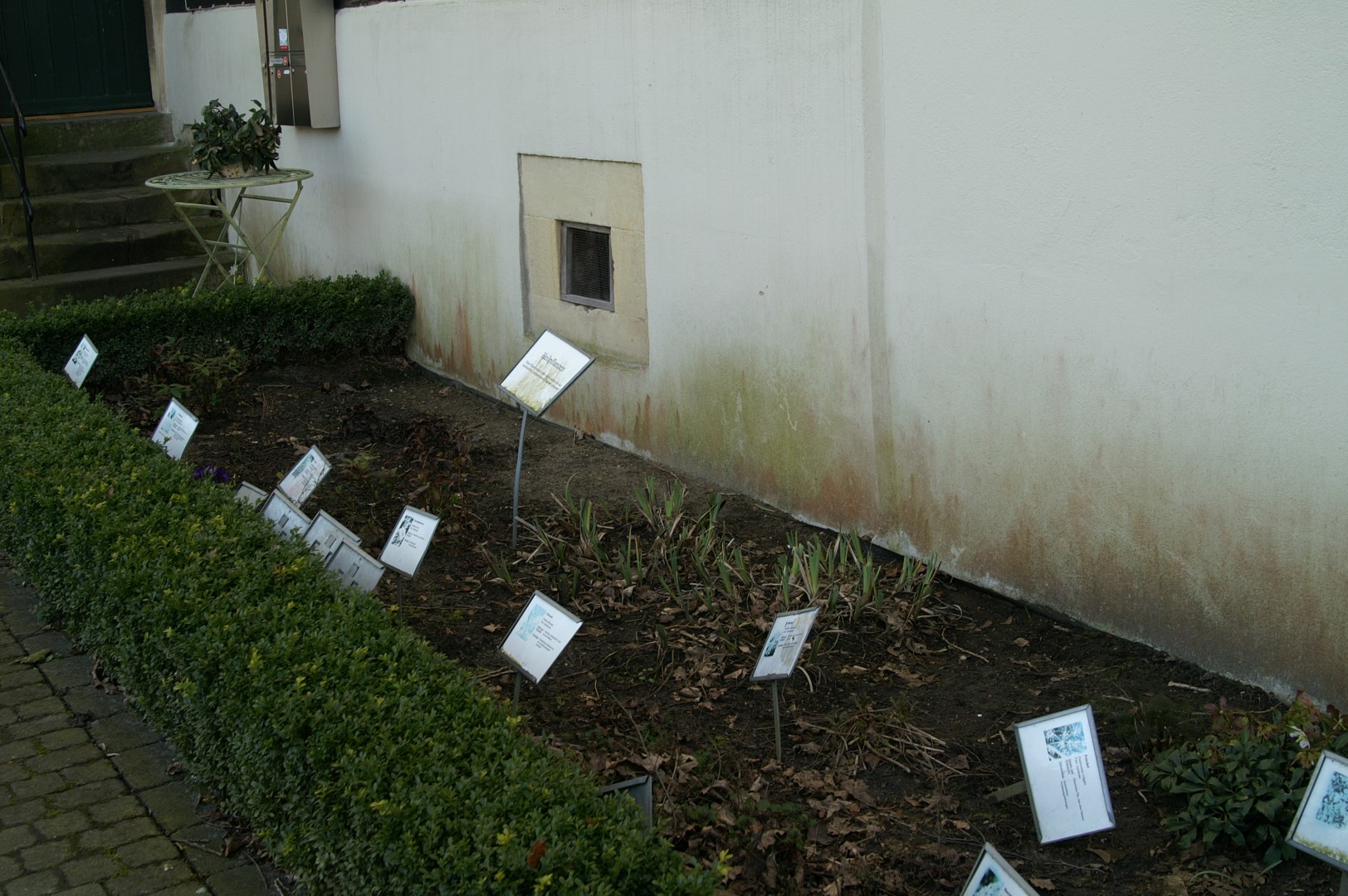
Zurück bei den Vitrinen schiebt Dr. Klötzer eine Milchglasscheibe zurück. Zu sehen sind gesunde und erkrankte Nerven sowie ein befallener Fuß und eine Hand aus der Pathologie. „Das ist konkretes Anschauungsmaterial, das nur auf ausdrücklichen Wunsch gezeigt wird.“ Beliebter ist da der Heilkräutergarten vor dem Haus. Mit dem Sud der Pflanzen wurden früher Leprapatienten behandelt. „Ein gewisser Placebo-Effekt ist bestimmt nicht von der Hand zu weisen. Bei manchen hilft ja schon die Vorstellung, wieder gesund zu werden“, lacht Dr. Klötzer.KONICA MINOLTA DIGITAL CAMERAwww.lepramuseum.de

Veröffentlicht in der Huffington Post am 21. März 2015.

Veröffentlicht unter Germany, Reise, Reportagen, Sabine’s world: A travel diary, sl4lifestyle empfiehlt ... | Verschlagwortet mit , , , , , , | Hinterlasse einen Kommentar

The Magic Hour

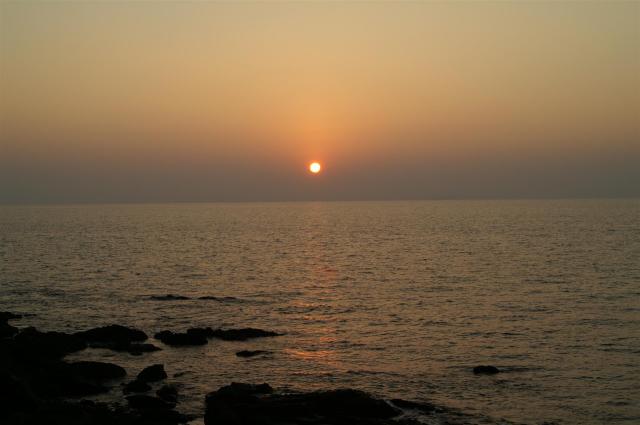
„Magic Hour“ is that time of day when all things are right. The beauty of the dripping golden light falling everywhere making everything glow is so pretty. If you aren’t sure what magic or golden hour is, then let me explain. It is that time of day when the sun is near the horizon, glowing, and just about to set. It is the hour as the sun rises and the hour as the sun sets. Before the sun rises/sets, it emits this hazy light that makes everything gorgeous. Most photographers agree that this time of day is THE best time to photograph. Magic hour’s name is very true. The light is truly magical!

Veröffentlicht unter Notabene, Sabine’s world: A travel diary | Verschlagwortet mit , | Hinterlasse einen Kommentar

My first experience with Thai Boxing

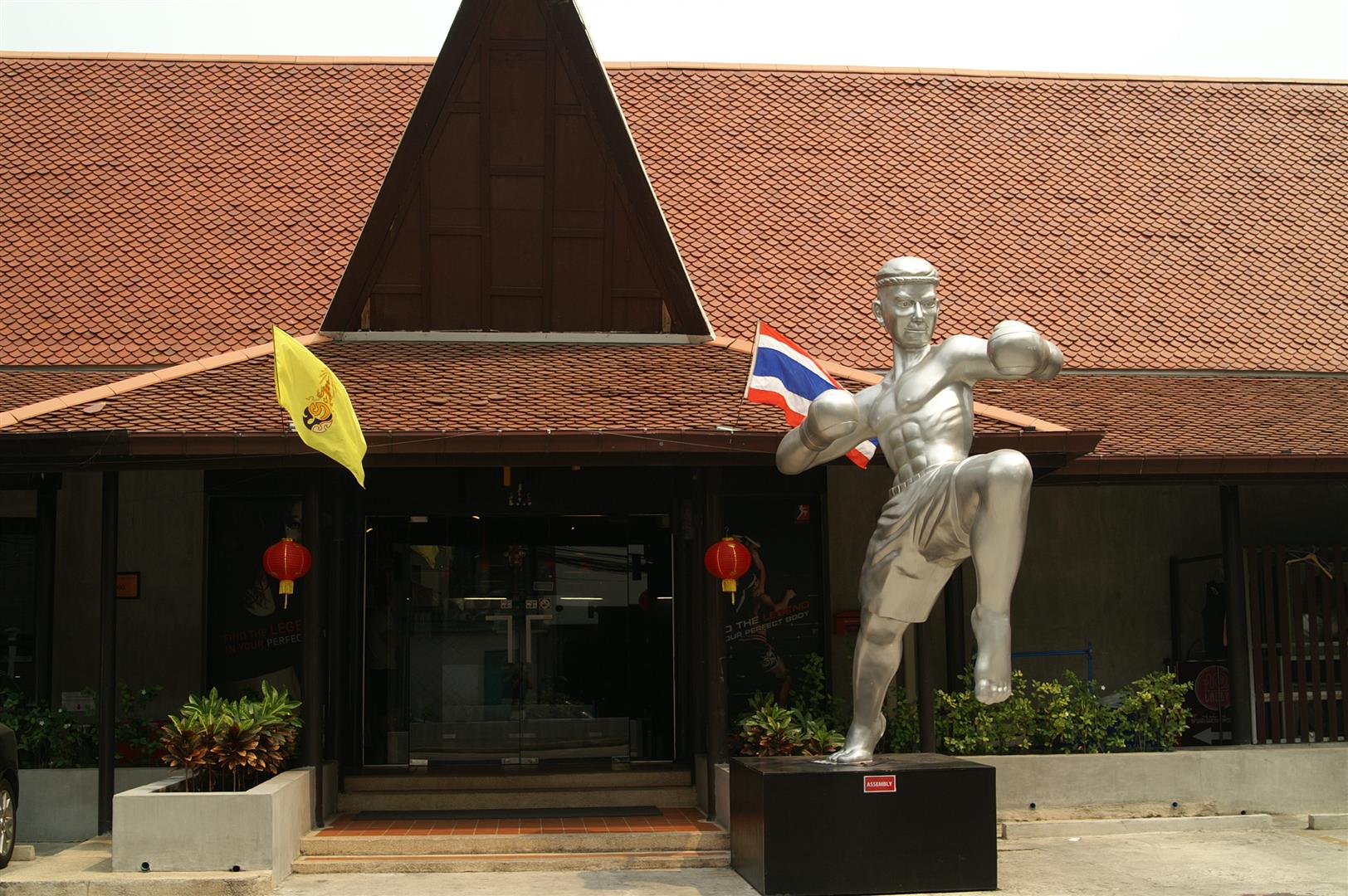
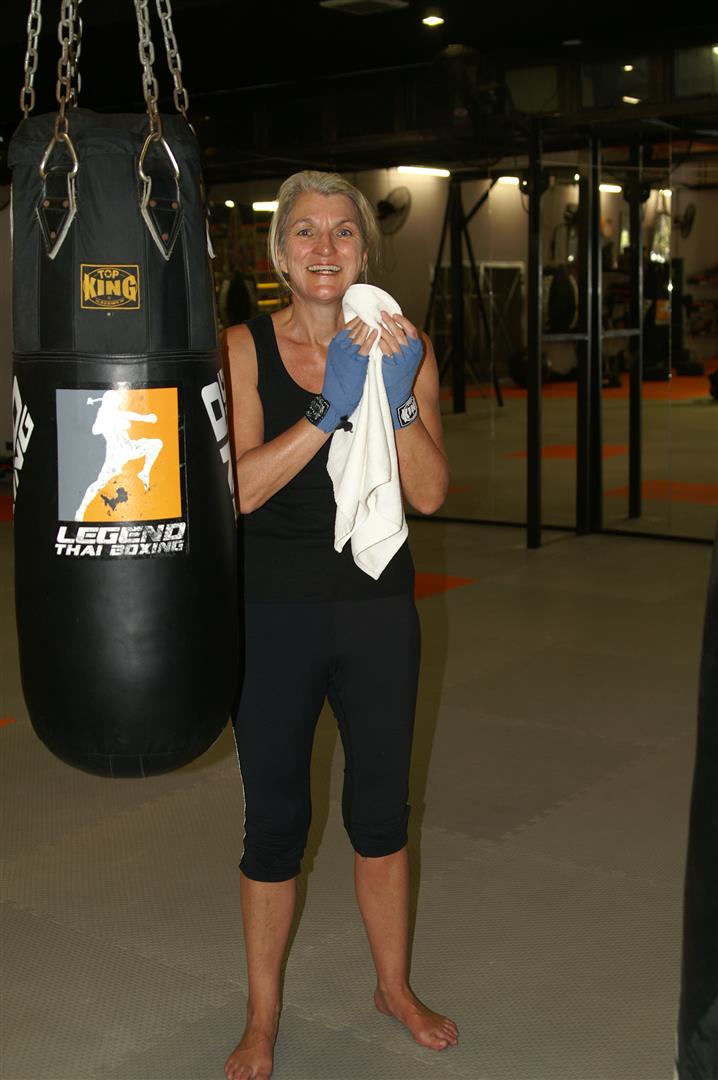
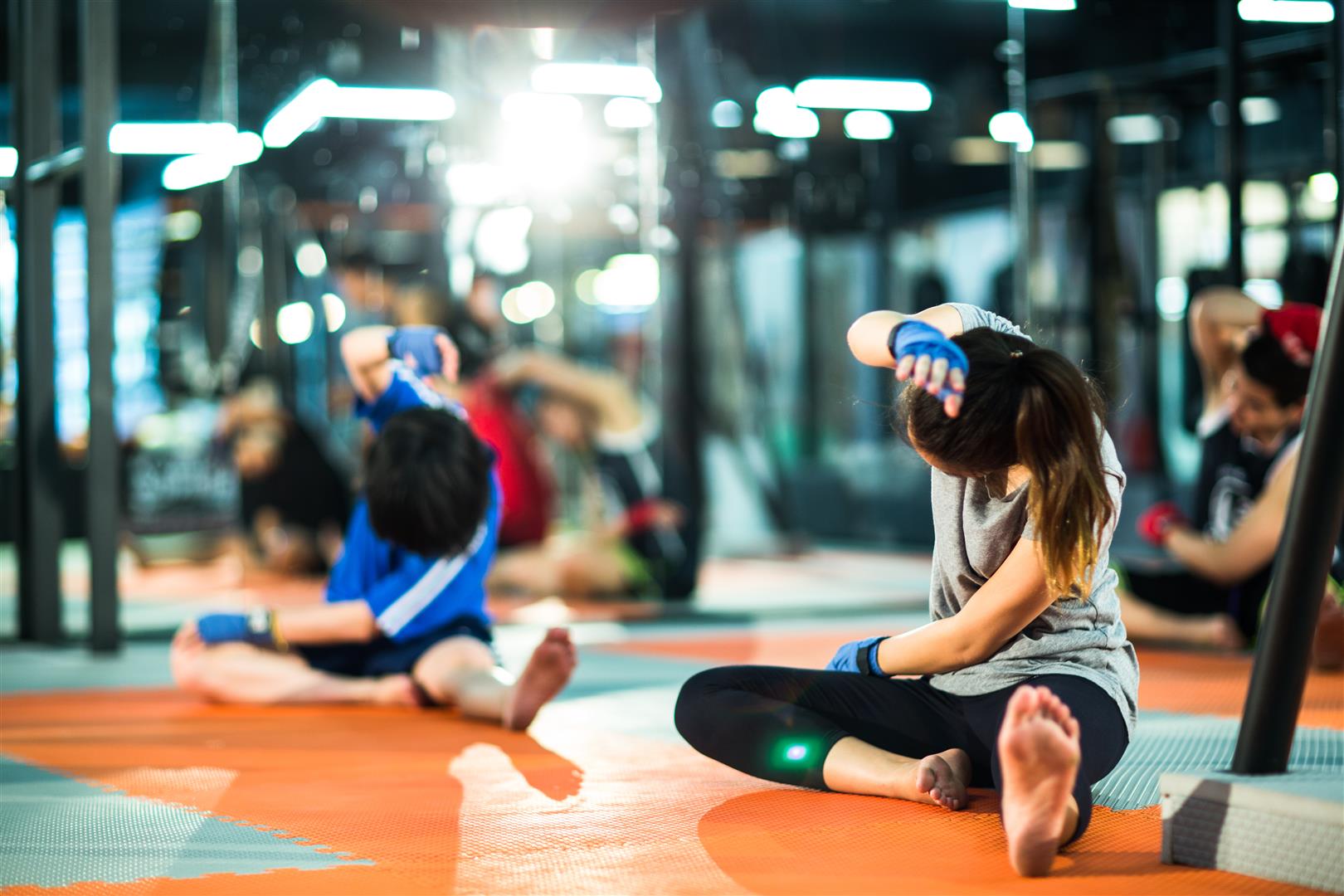
KONICA MINOLTA DIGITAL CAMERAKONICA MINOLTA DIGITAL CAMERAI did it out of curiosity and, of course, because of fitness. The latter might have been the main reason. And, all in all, I enjoyed it. It was great.

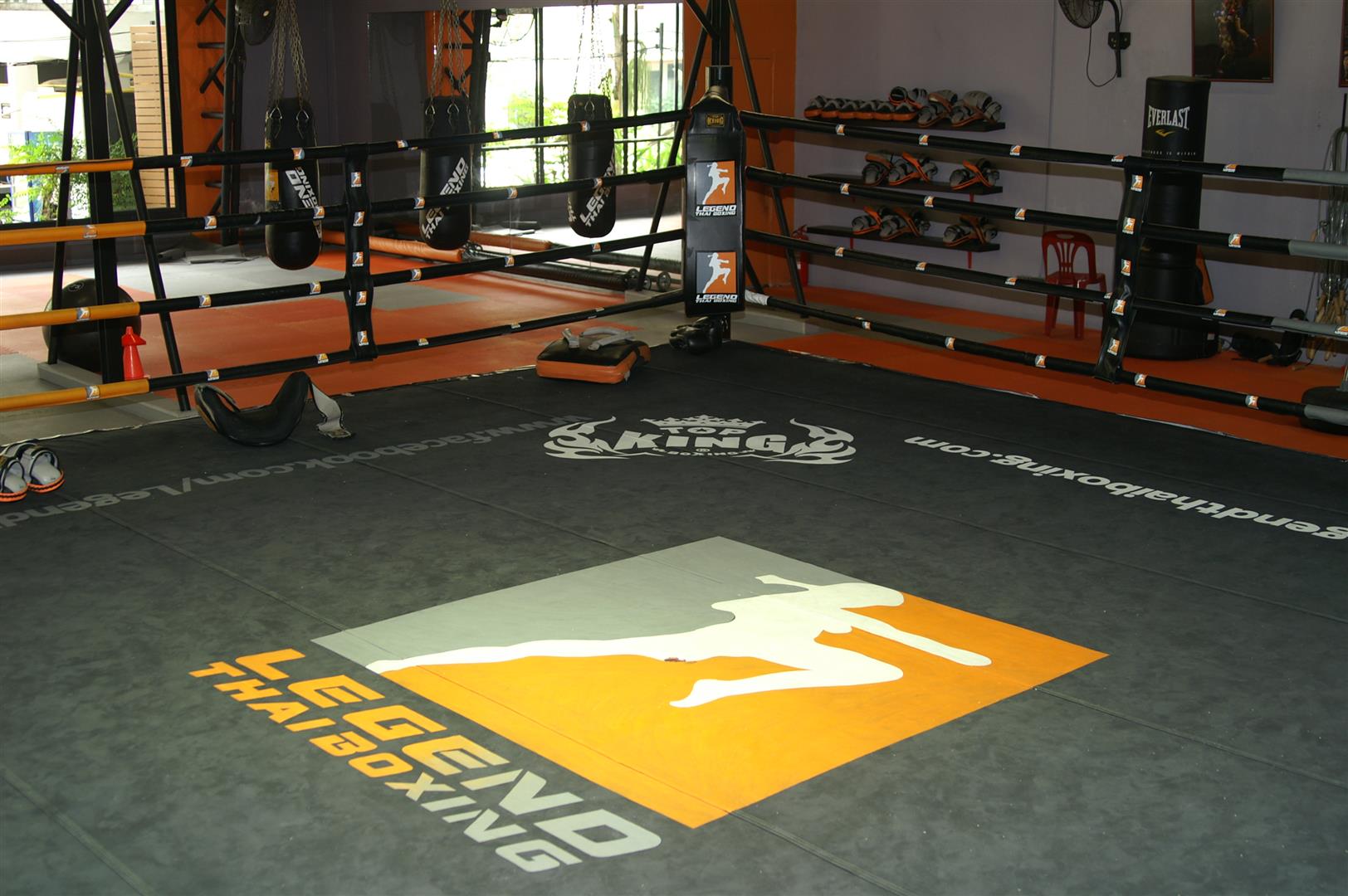
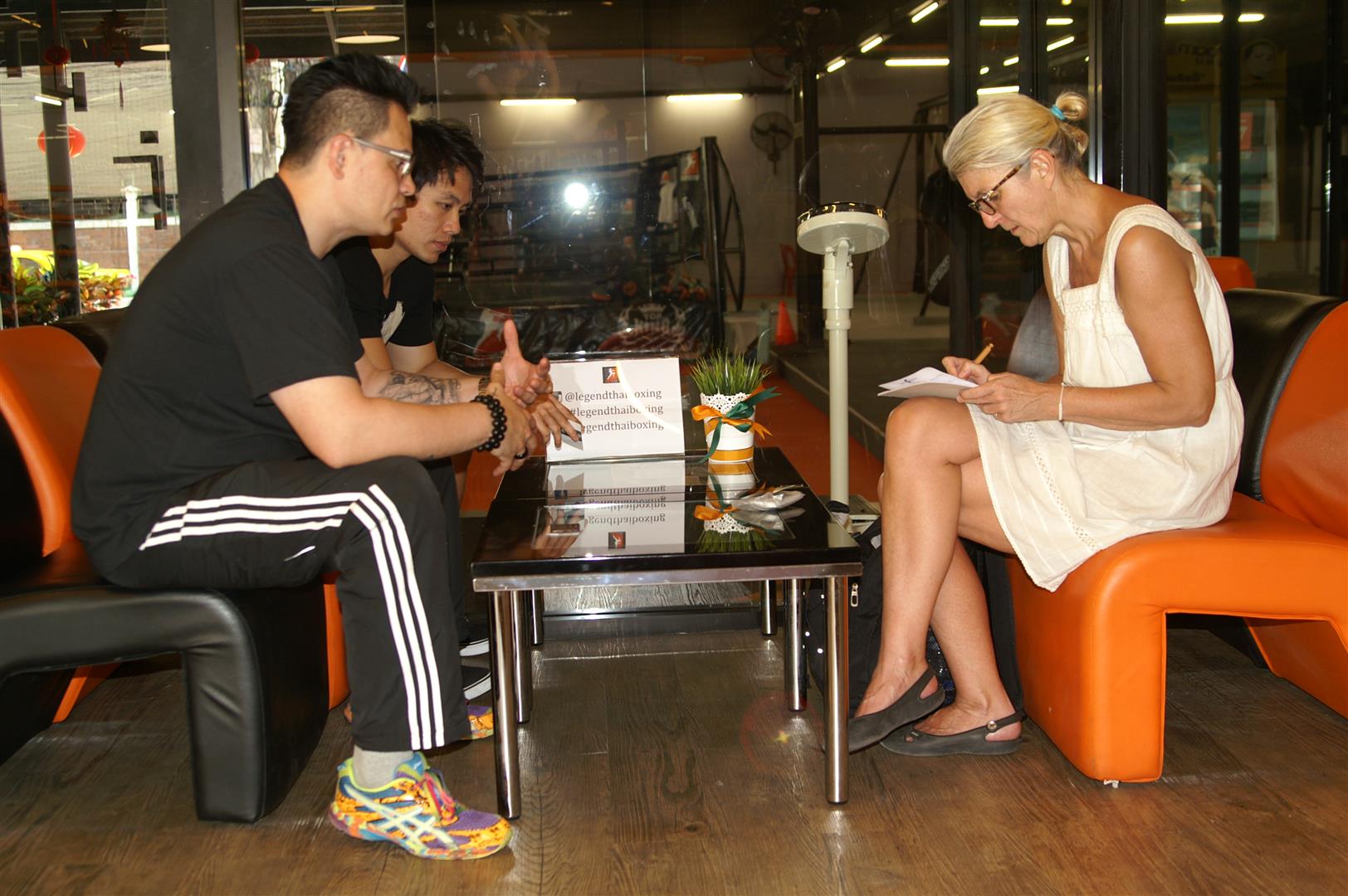
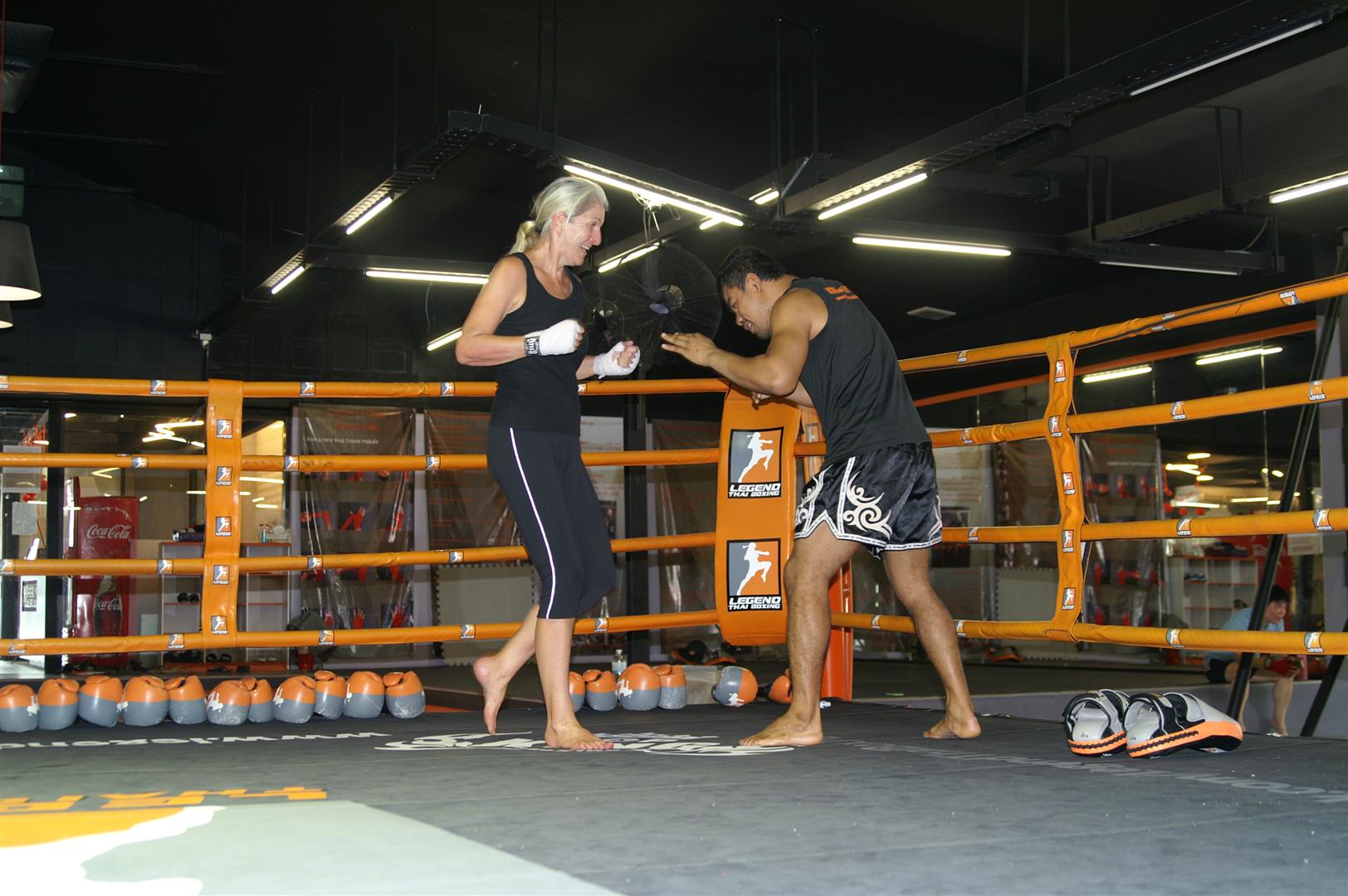
I chose the place for Thai Boxing or so called Muay Thai, which is the correct name in Thai language, in Bangkok. I did some online research and found a place which caught my interest: Legend Thai Boxing, comfortable located right in the City centre next to Silom Station. I did 2 training units with a personal trainer. I must admit that my knowledge of Karate has been a great benefit.KONICA MINOLTA DIGITAL CAMERA

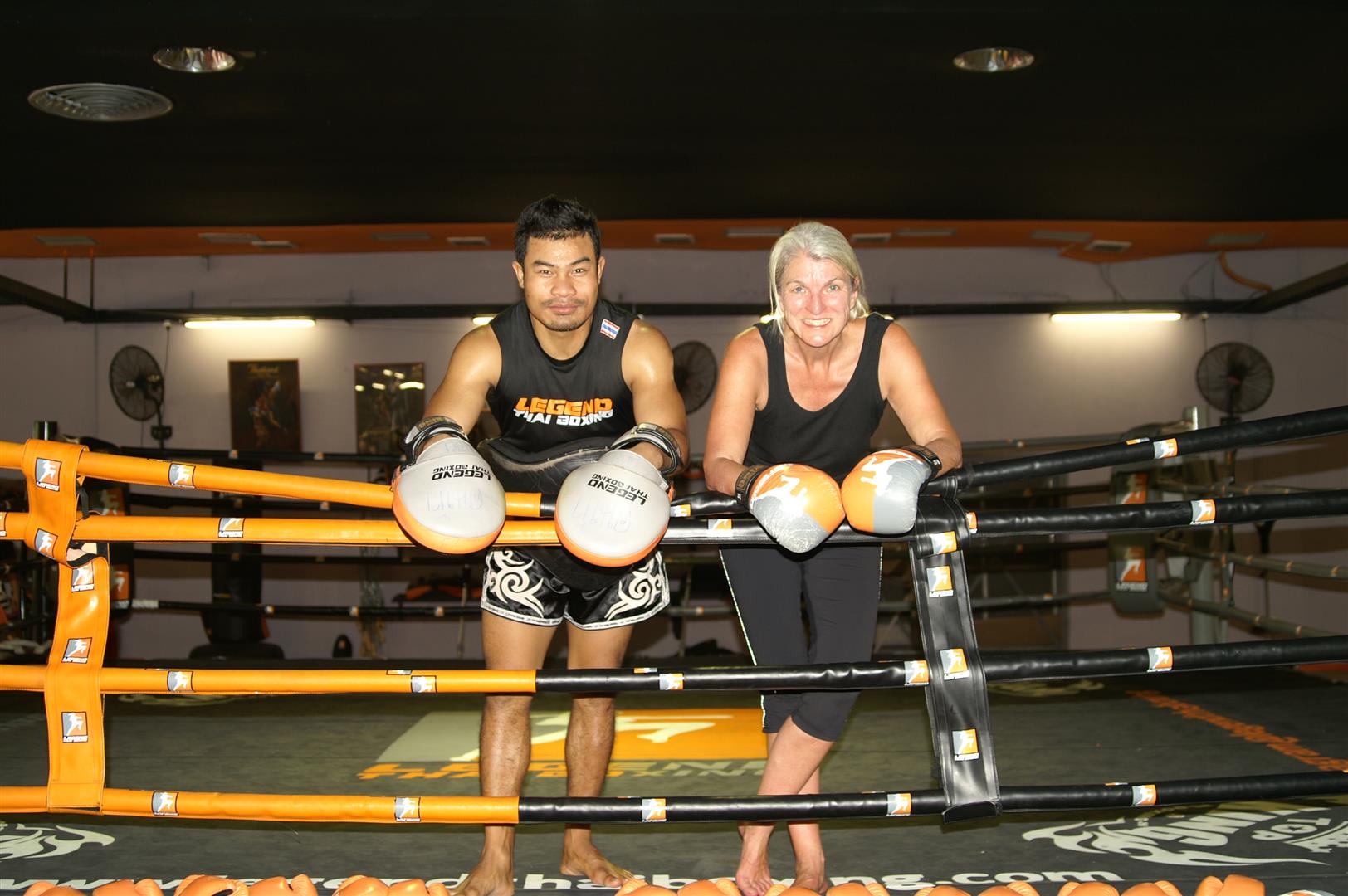
Khun Suek Aek has been my personal trainer. Everybody calls him Kru Boy. He has quite an impressive vita. With 25 years he mastered already more than 200 professional fights at Lupini Stadium in Bangkok, Switzerland and France. Today he is an instructor and practice Thai boxing every day. His father was already a fighter and he learned the techniques from him.KONICA MINOLTA DIGITAL CAMERA

Kru Boy began with Muay Thai when he was 11 years old. „Thai Boxing is not only trendy but also a very good exercise for the whole body“, says Manager Robert Baldridge. „At the same time you learn self defence.“ Many of his clients are coming from gyms which they found after a certain time boring. „Thai boxing is like cardio exercise, very good for heart and lungs.“KONICA MINOLTA DIGITAL CAMERA

The studio in the heart of Bangkok counts 2.500 members, about 150 to 200 people are exercising per day. „We belong to the top boxing gym in town“, adds Robert. „All of our 12 trainers are professional fighters.“

I really enjoyed my 2 days there. And every day I walked out with a smile, because I knew that I did something good for my body and my mind. And, I try to continue with Thai Boxing in Germany. Right now I am looking for the right studio which fits my needs. Of course, I do continue with Karate. I think Muay Thai is a good addition. And when I am back in Bangkok I come again for some training.

More about the history of Muay Thai. Click here!

LG_0504 (Large) LG_0038 (Large) KONICA MINOLTA DIGITAL CAMERA

Everyone who likes to practice at the studio and refers to that article gets a 10 % discount on classes and workshops.

A warm thanks to Legend Thai Boxing for welcoming sl4lifestyle as a guest. My opinion is of course my own.

Photos: Legend Thai Boxing (2), Enric Boixadós (6)

Veröffentlicht unter Reise, Sabine’s world: A travel diary, sl4lifestyle empfiehlt ..., Thailand | Verschlagwortet mit , , , , , | 1 Kommentar

About dreams

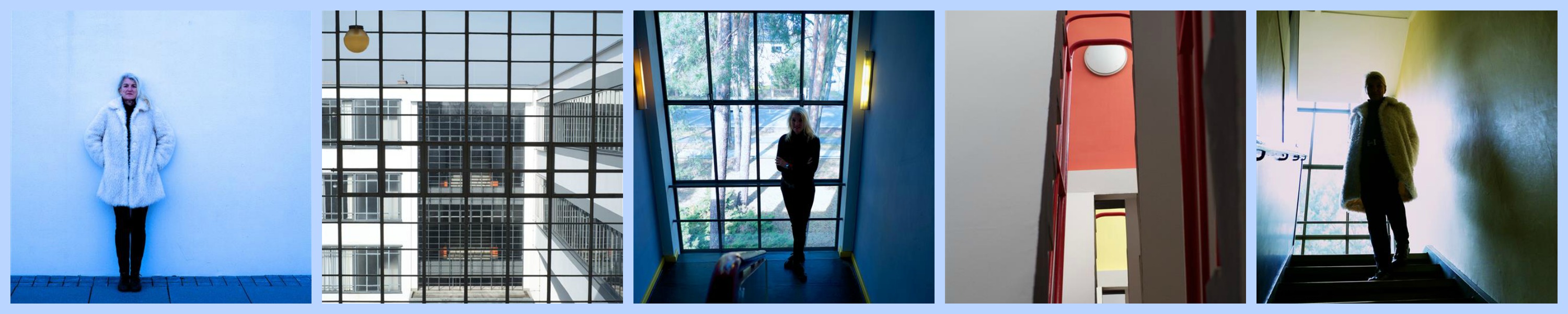
Bauhaus_Collage„I don’t like to talk about my dreams. I like to make them happen.I prefer to talk about them when they are done.“

Diane von Furstenberg

Veröffentlicht unter Notabene | Verschlagwortet mit , , , | Hinterlasse einen Kommentar

Schlank mit Honig

honigdiätIch liebe Schokolade. Und Eis. Und Gummibärchen. Mmmhhh! Ja, ich weiß, Zucker ist ungesund. Zucker macht dick.

Doch ist es möglich, Süßes zu essen und gleichzeitig abzunehmen? Nee, ganz bestimmt nicht, denn dies ist ein Widerspruch in sich. Aber neueste Studien zeigen, dass Honig auf vielfältige Weise die Gesundheit positiv beeinflusst – vom Gewichtsverlust über einen angeregten Stoffwechsel bis hin zu einem besseren Schlaf.

Seitdem ich zum Detoxen in Thailand war, achte ich ganz besonders auf meine Ernährung. Und vor allem: Wie kann ich mich wohl fühlen und gesund bleiben?

Der Ernährungswissenschaftler Mike McInnes liefert mit seinem neuen und natürlichen Ernährungskonzept die Antwort: Honig als gesunde Alternative zum Zucker. Denn Honig wird anders als Zucker nicht in den Blutzucker eingespielt, um dort für die unangenehmen Auf und Ab’s des Heißhungers zu führen, sondern in der Leber eingelagert. Dadurch wird die Energiezufuhr direkt und optimal zum Gehirn geleitet und der Heißhunger verschwindet.

Ich habe es in den letzten Tagen mal ausprobiert. Es funktioniert, die Gelüste nach Süßem sind erstmal weg.

Mike McInnes: Die Honig-Diät. Der süße Weg zum Wunschgewicht, 151 Seiten, 16,99 Euro.

Wenn Ihr wollt, könnt Ihr das Buch gewinnen!
Schreibt einfach in einem Kommentar bis Sonntag, 15. März, welche Abnehm-Methode Ihr empfehlen könnt. Alle Kommentare nehmen an der Verlosung teil. Viel Glück!

Übrigens, Eure E-Mail-Adresse wird nicht veröffentlicht.


Veröffentlicht unter Literatur | Verschlagwortet mit , , , , , , , | 13 Kommentare

Talking to Strangers

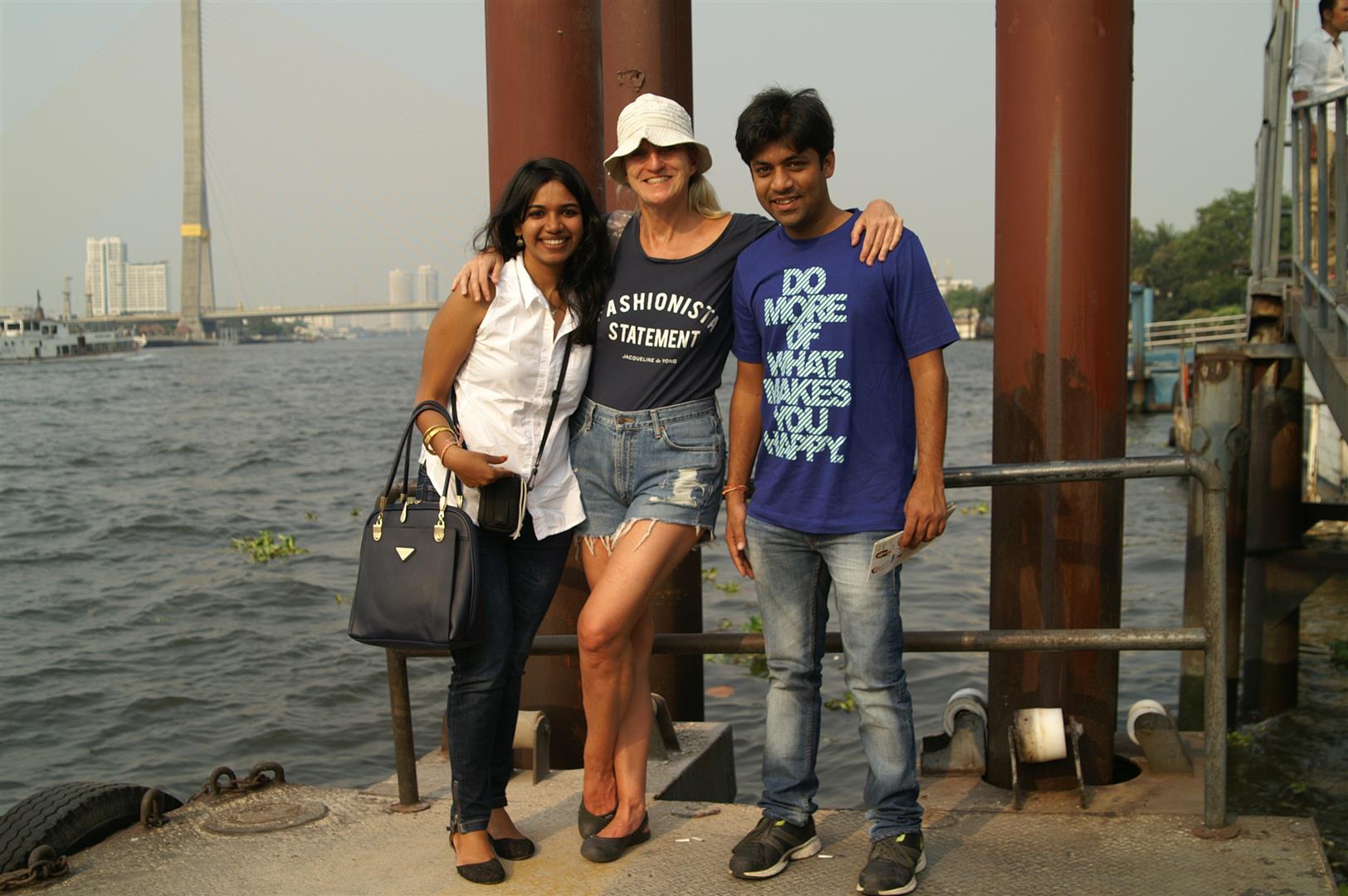
KONICA MINOLTA DIGITAL CAMERAI cannot tell how many times I talked to strangers during my travels – often in broken English or hand gestures. Here I am with an Indian couple waiting for a ferry in Bangkok. I’ve met some of the most interesting people this way and their stories stay with me. And many of those people follow my Blog after our encounter. Thanks, folks around the world!

Veröffentlicht unter Sabine’s world: A travel diary | Verschlagwortet mit , , , , , | Hinterlasse einen Kommentar