Da Mariella: Risotto alle Seppie Nere

DALL’ ITALIA CON AMOREcover (Large)FROM ITALY WITH LOVE
Halloween Gourmet? Of course!

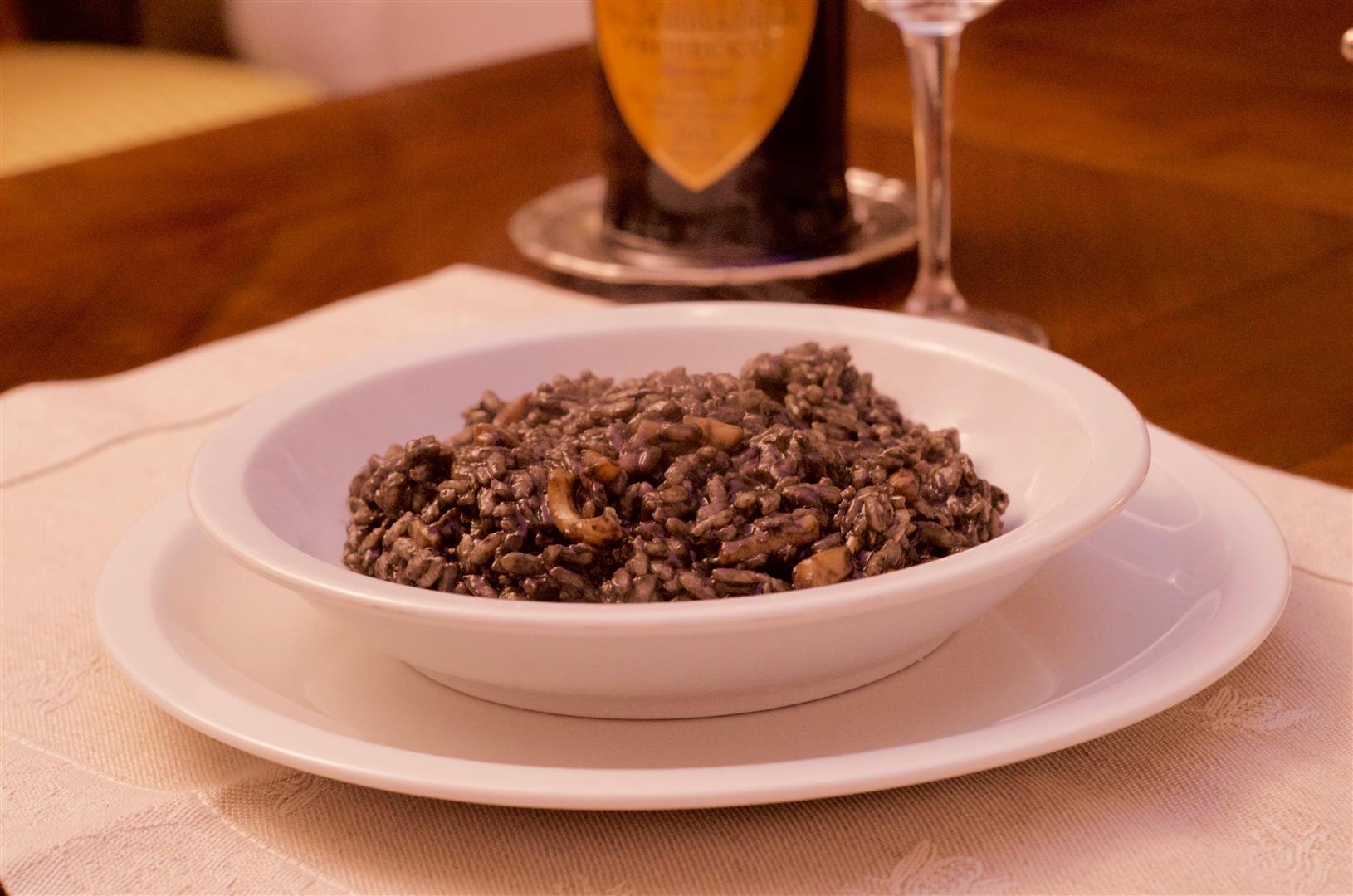
Oggi infatti vi presento un piatto particolarissimo, le seppie nere, con cui poi realizzare il piu’ tipico dei risotti della cucina veneziana.

E’ un primo piatto di pesce molto saporito, il sapore delle seppie viene esaltato naturalmente grazie alla cottura con il loro stesso nero.

Non fatevi ingannare dall’aspetto insolito, le seppie in nero sono un piatto davvero prelibato e gustoso, io consiglio di prepararlo se avete ospiti a cena.

E’ semplice da fare e lascerà i vostri commensali senza parole!

Ecco la mia ricetta!

INGREDIENTI X 4 PERSONE:

Seppie pulite 500 gr

Riso Carnaroli 300 gr

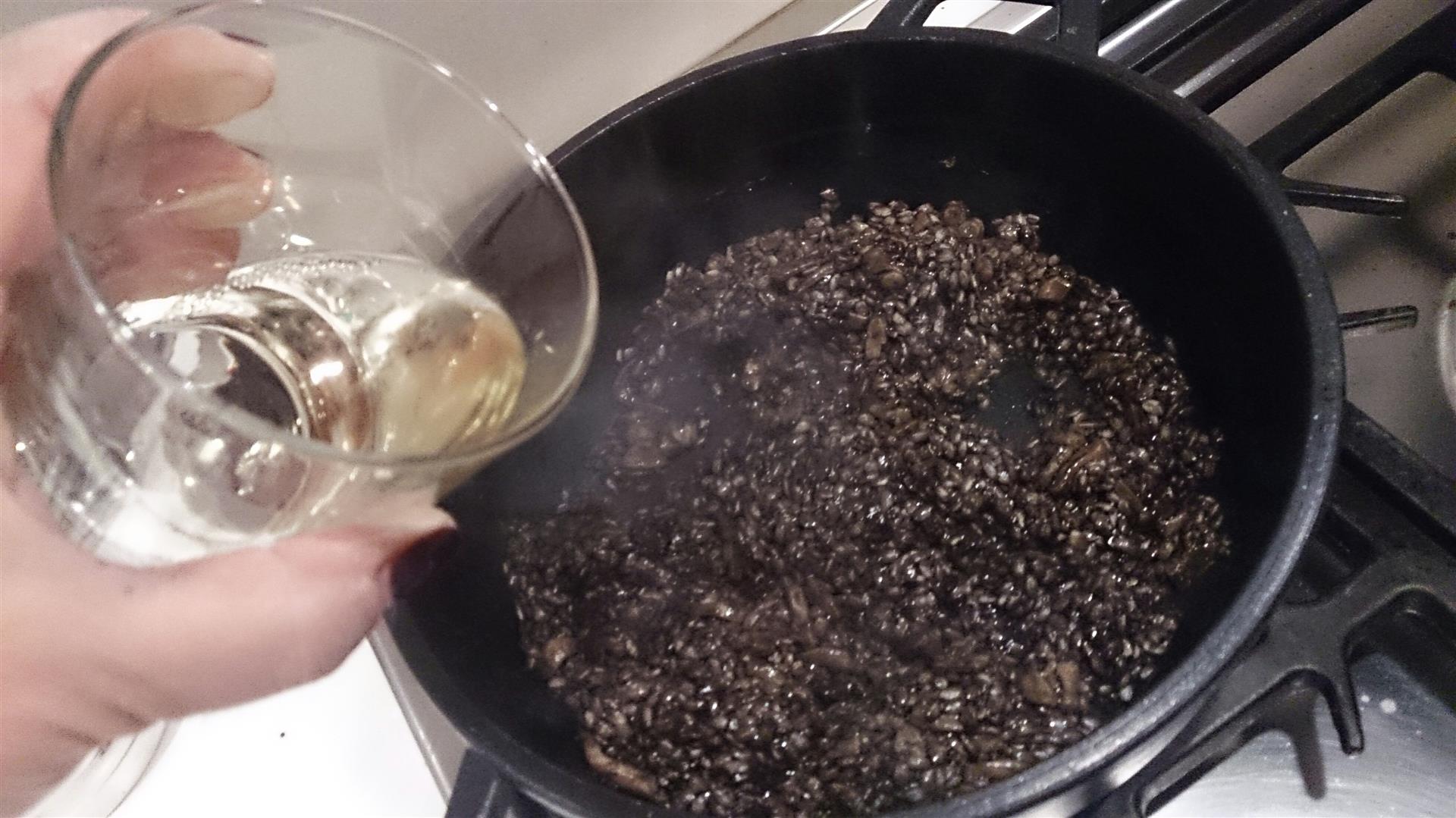
Vino bianco 100 ml

Cipolle 1

Aglio 2 spicchi

Nero di seppia 2 sacche pari a 4 g circa

Prezzemolo tritato 4 cucchiai

Brodo vegetale ½ litro

Burro 30 g

Parmigiano Reggiano grattugiato 4 cucchiai

Sale q.b.

Pepe q.b.

Olio di oliva q.b.

PREPARAZIONE:

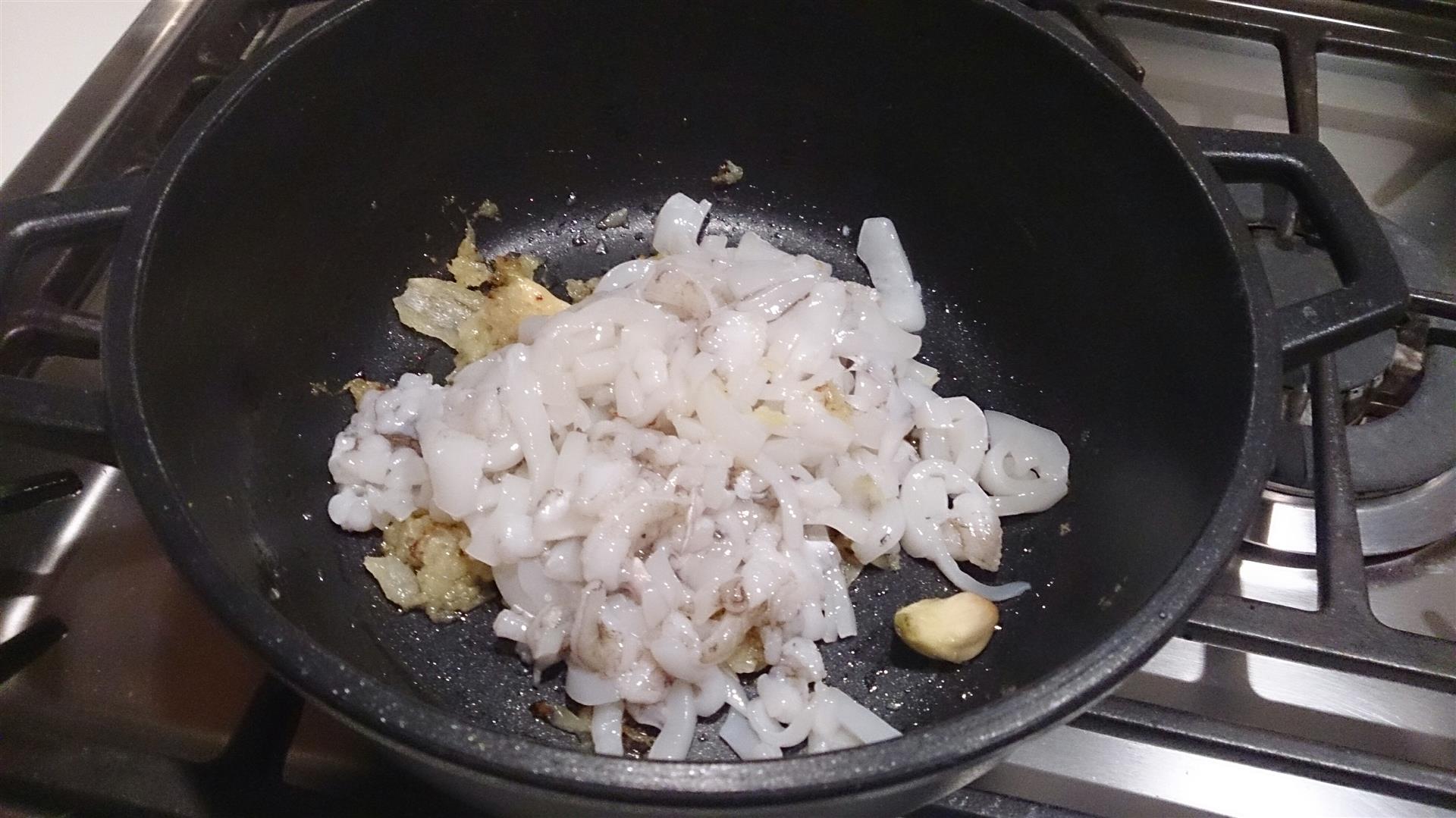
Trita finissima la cipolla insieme allo spicchio d’aglio, scalda l’olio in una casseruola e, a fuoco moderato, fai appassire il trito preparato fino a farlo leggermente imbiondire. (Foto 1).

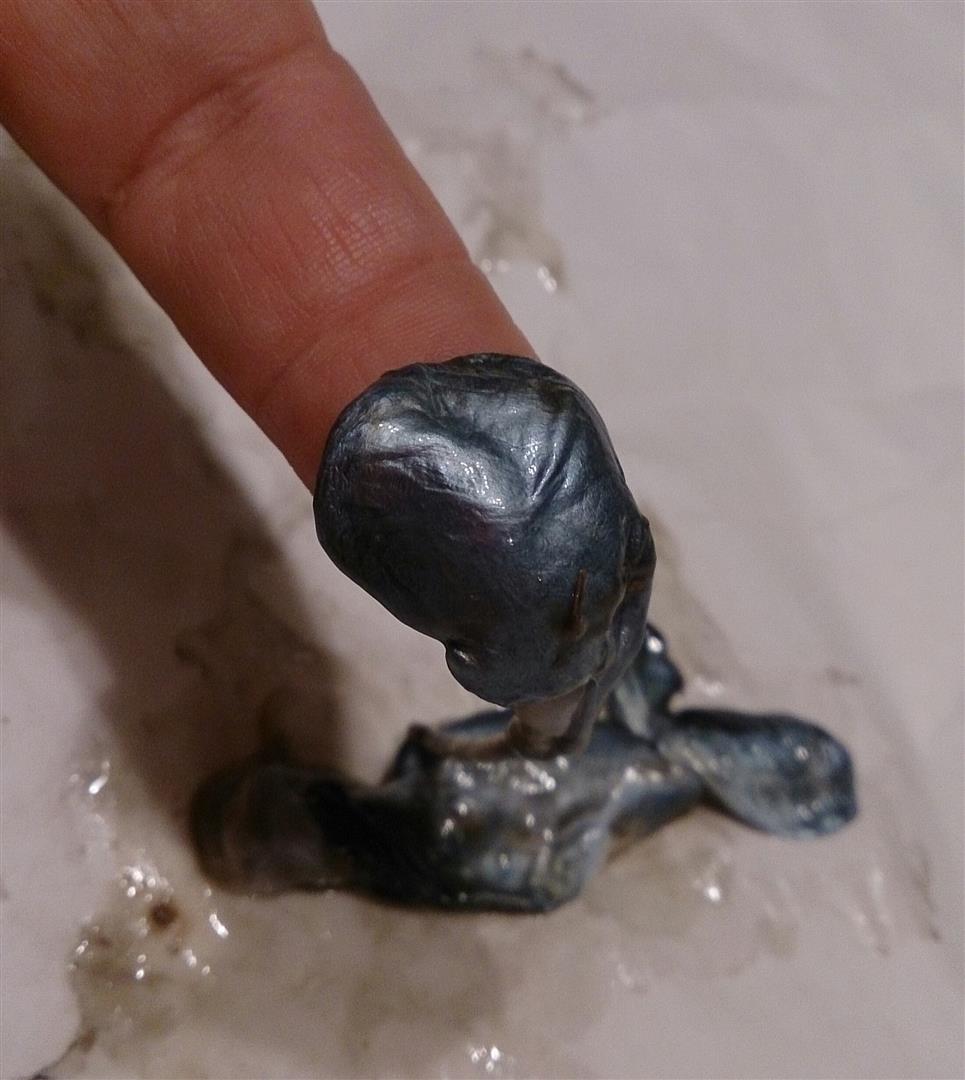
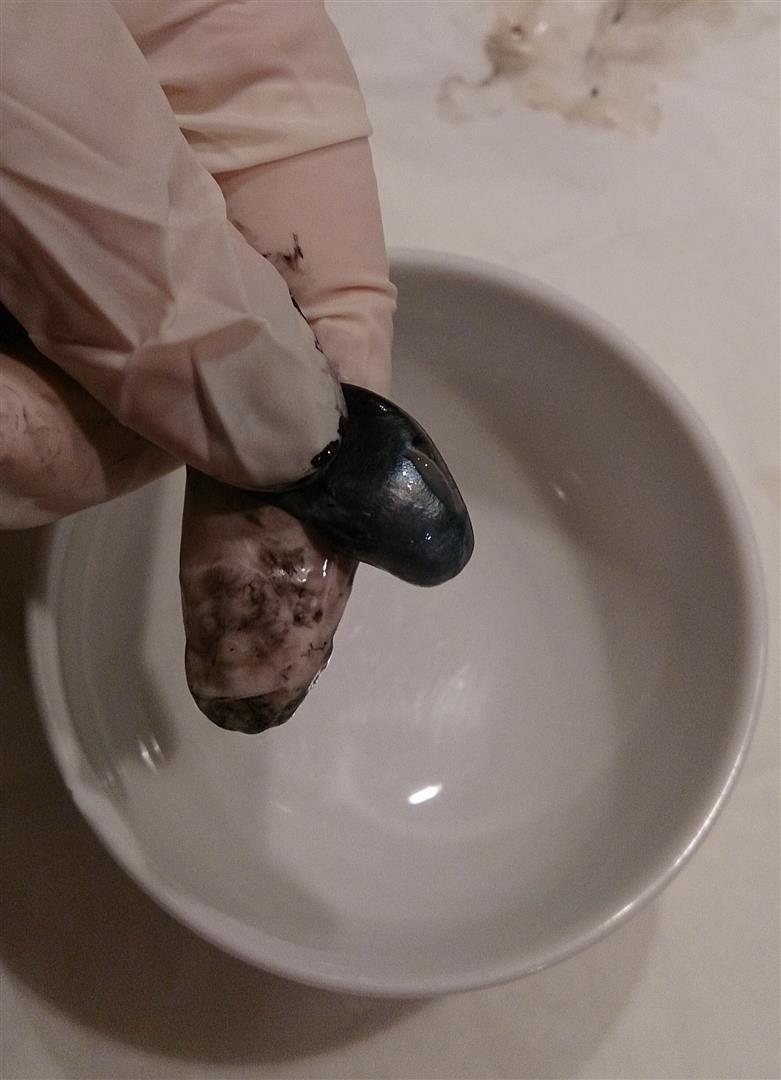
A parte pulisci e spella le seppie facendo attenzione, nello svuotare le sacche, a non rompere le vescichette con l’inchiostro, che metti da parte (Foto 2).

Lavale più volte sotto l’acqua corrente quindi taglia le seppie a striscioline fini ed uniscile al soffritto (Foto 3).

Bagnale con il vino bianco e lascia sfumare (Foto 4).

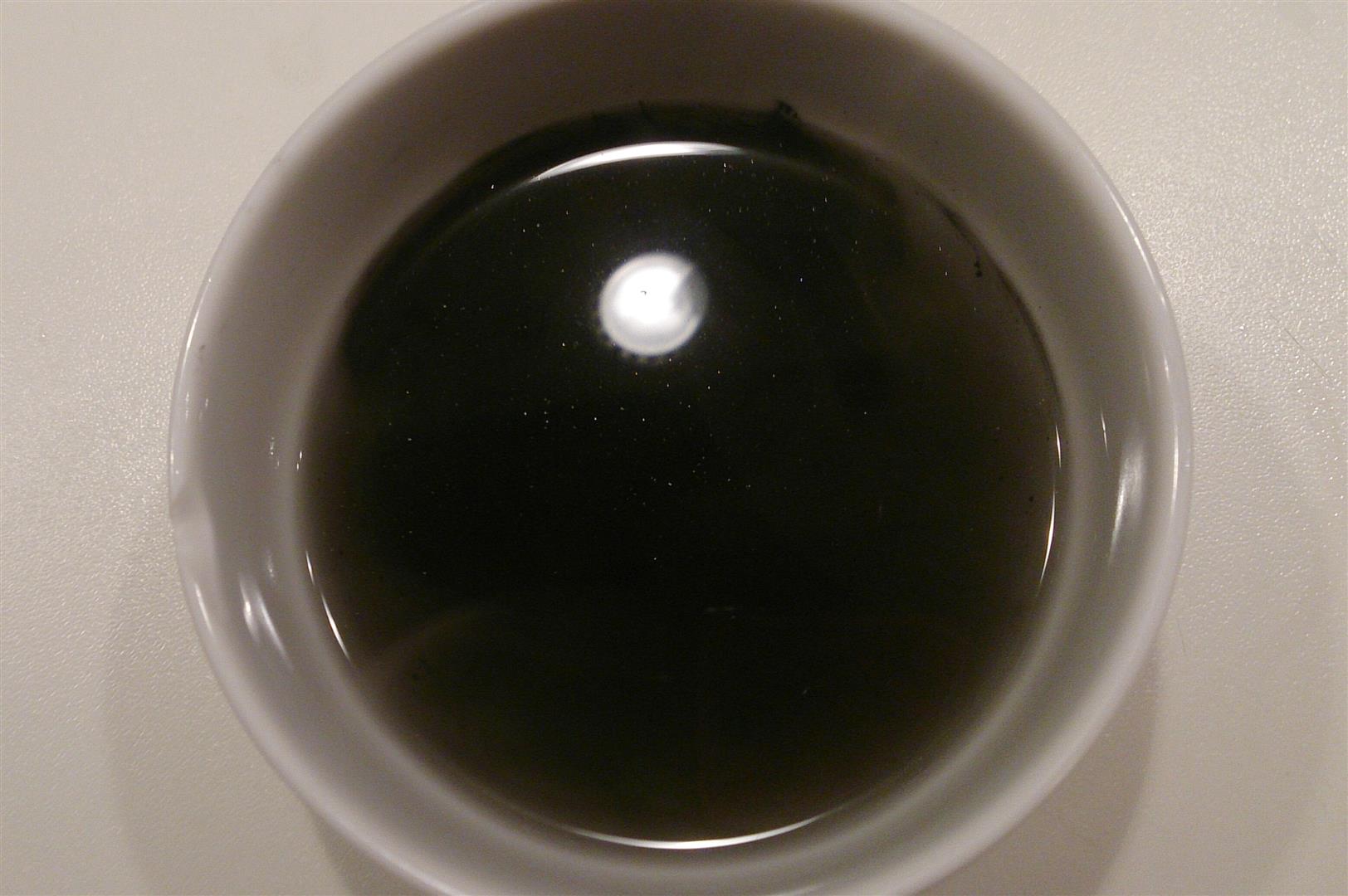
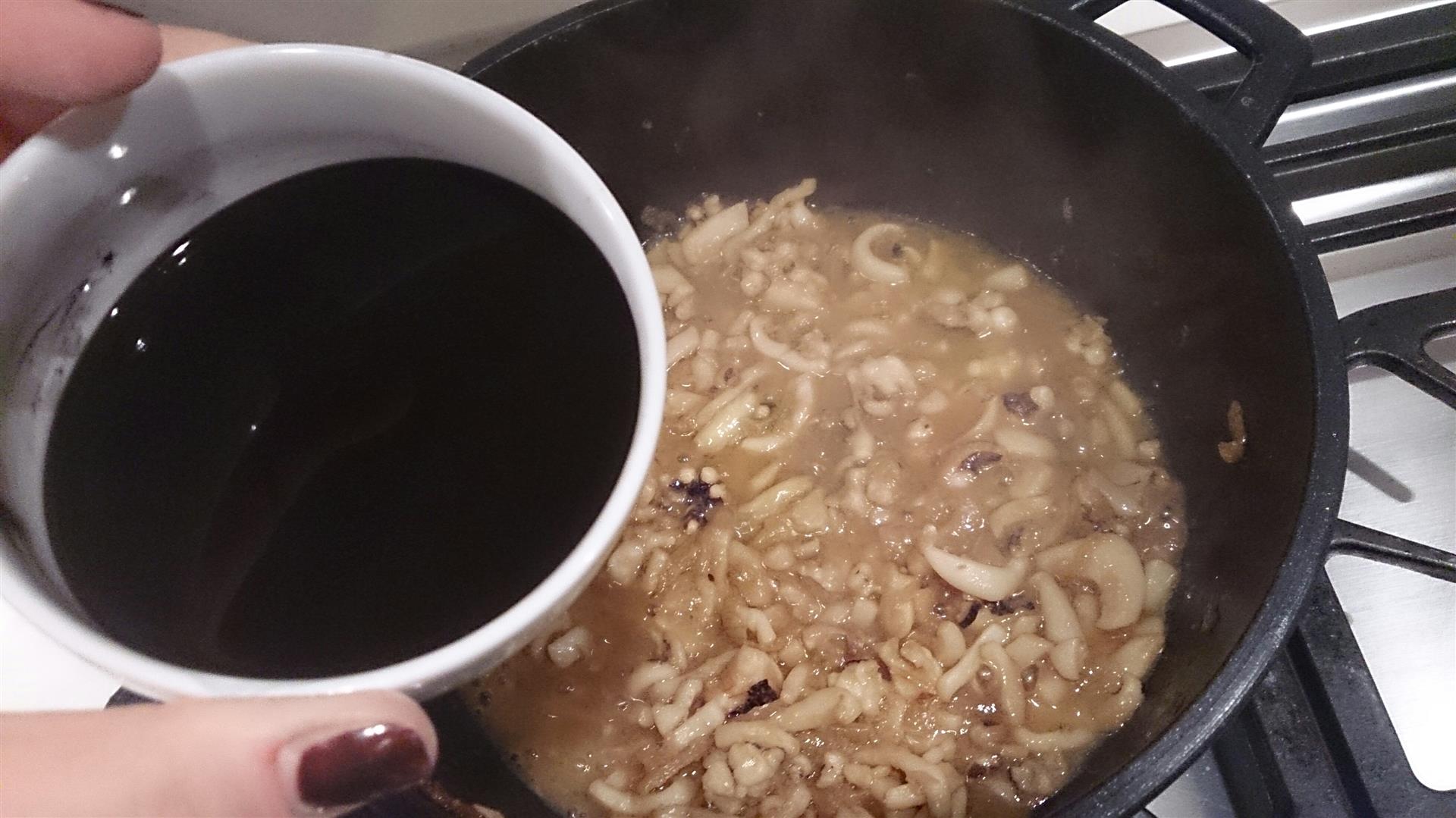
In una tazzina svuota una o due sacche di nero, a seconda della loro dimensione (Foto 5).

Aggiungi un po’ d’acqua e stempera il nero in modo da scioglierlo completamente (Foto 6).

Unisci il nero alle seppie (Foto 7).

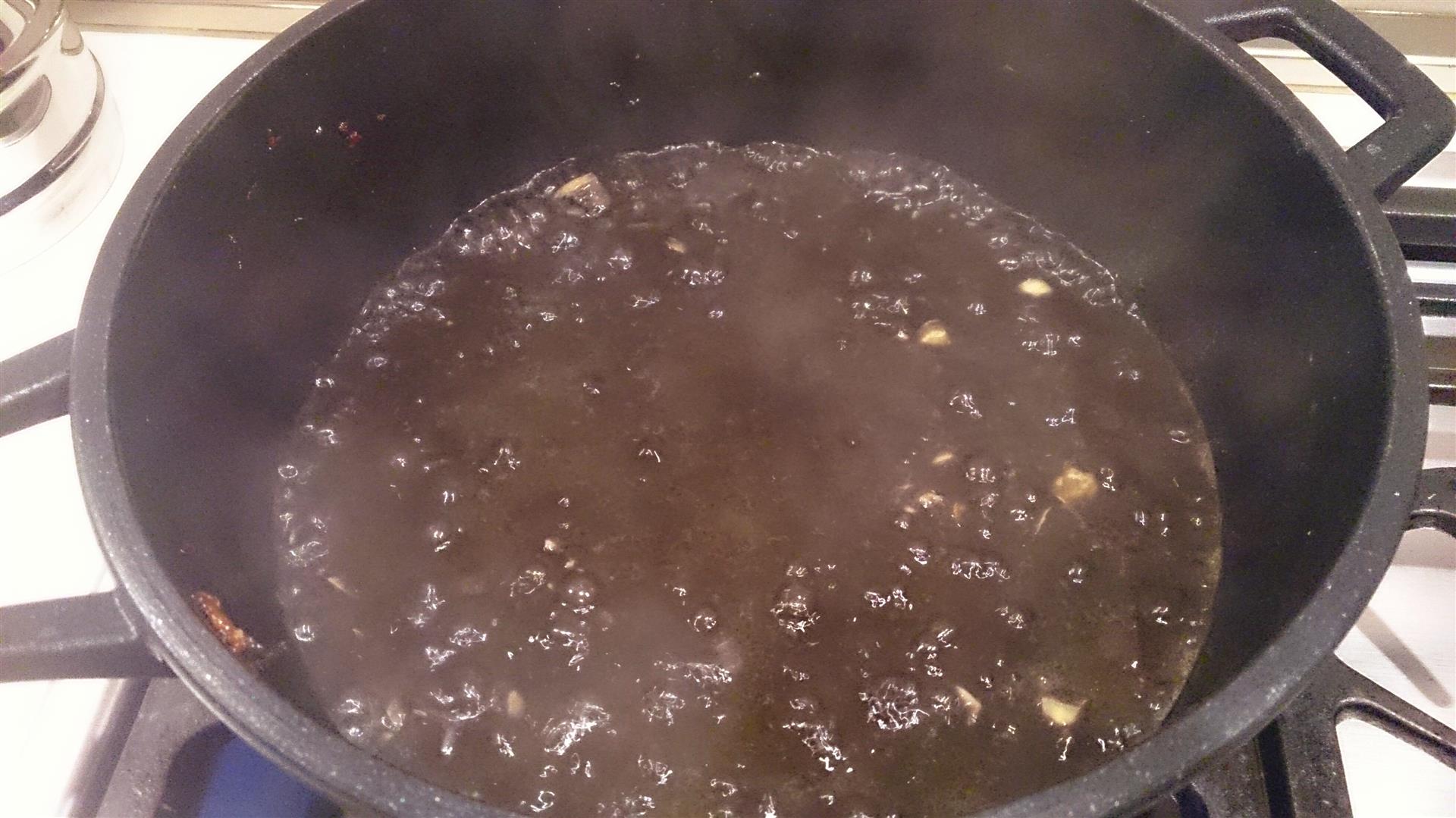
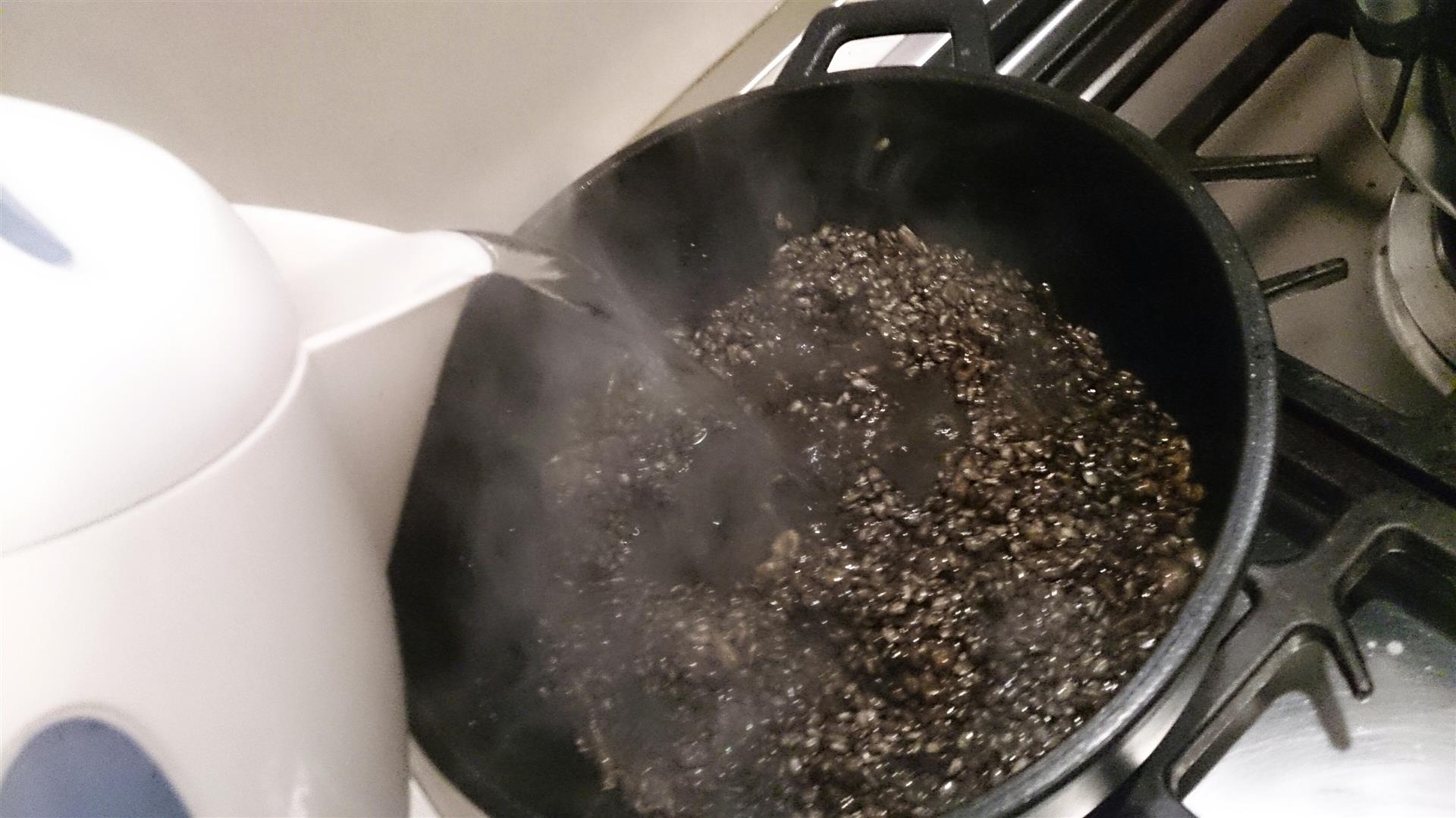
Mescola, abbassa la fiamma e prosegui la cottura, a recipiente coperto, per circa mezz’ora unendo qualche cucchiaio di acqua calda, se necessario (Foto 8).

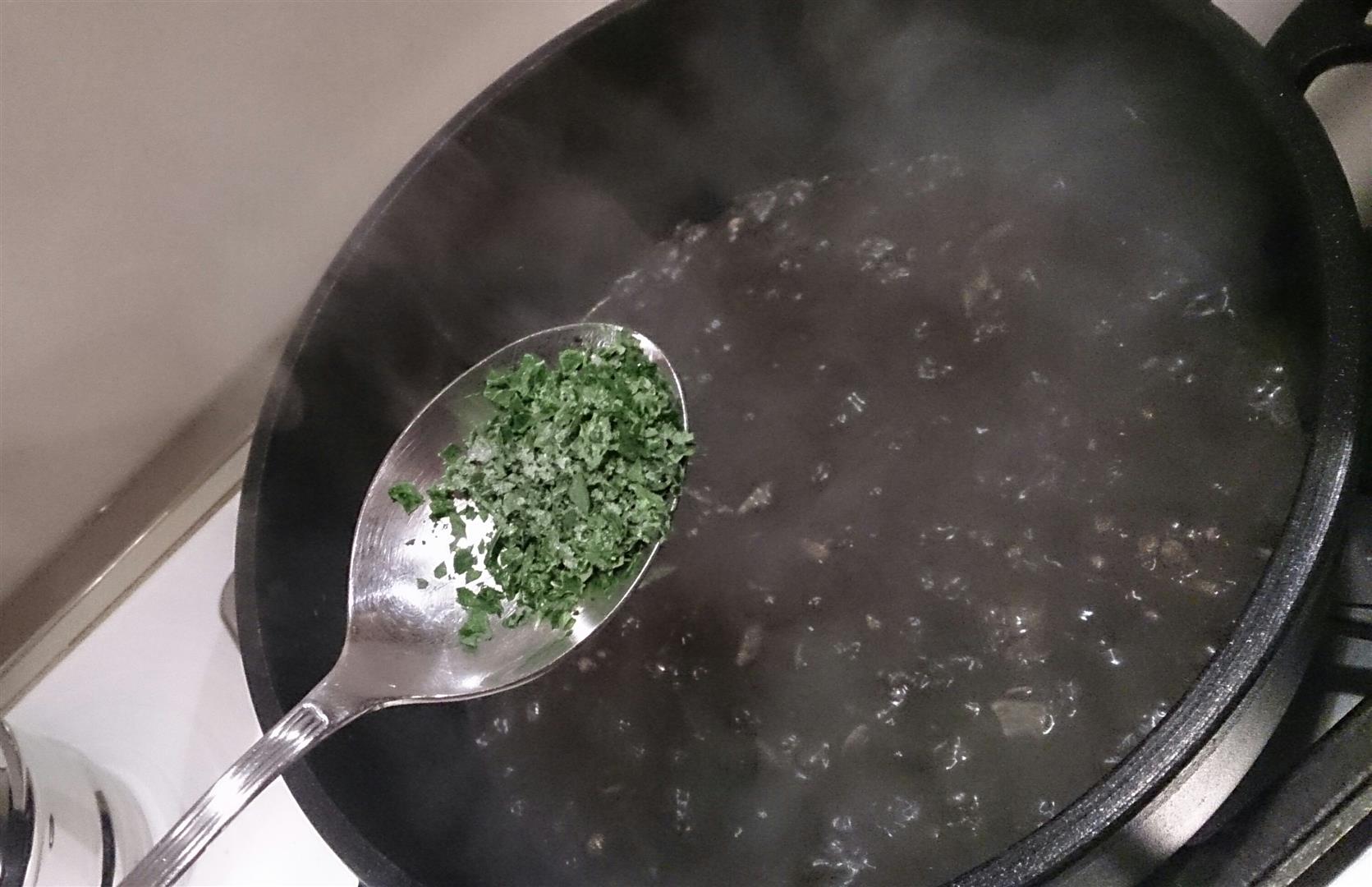
Regola di sale e pepe e aggiungi il prezzemolo (Foto 9).

Le seppie sono pronte, ora prepariamo il risotto.

Unisci il riso alle seppie nere (Foto 10).

Mescola e dopo un paio di minuti, bagna il rimanente vino bianco (Foto 11).

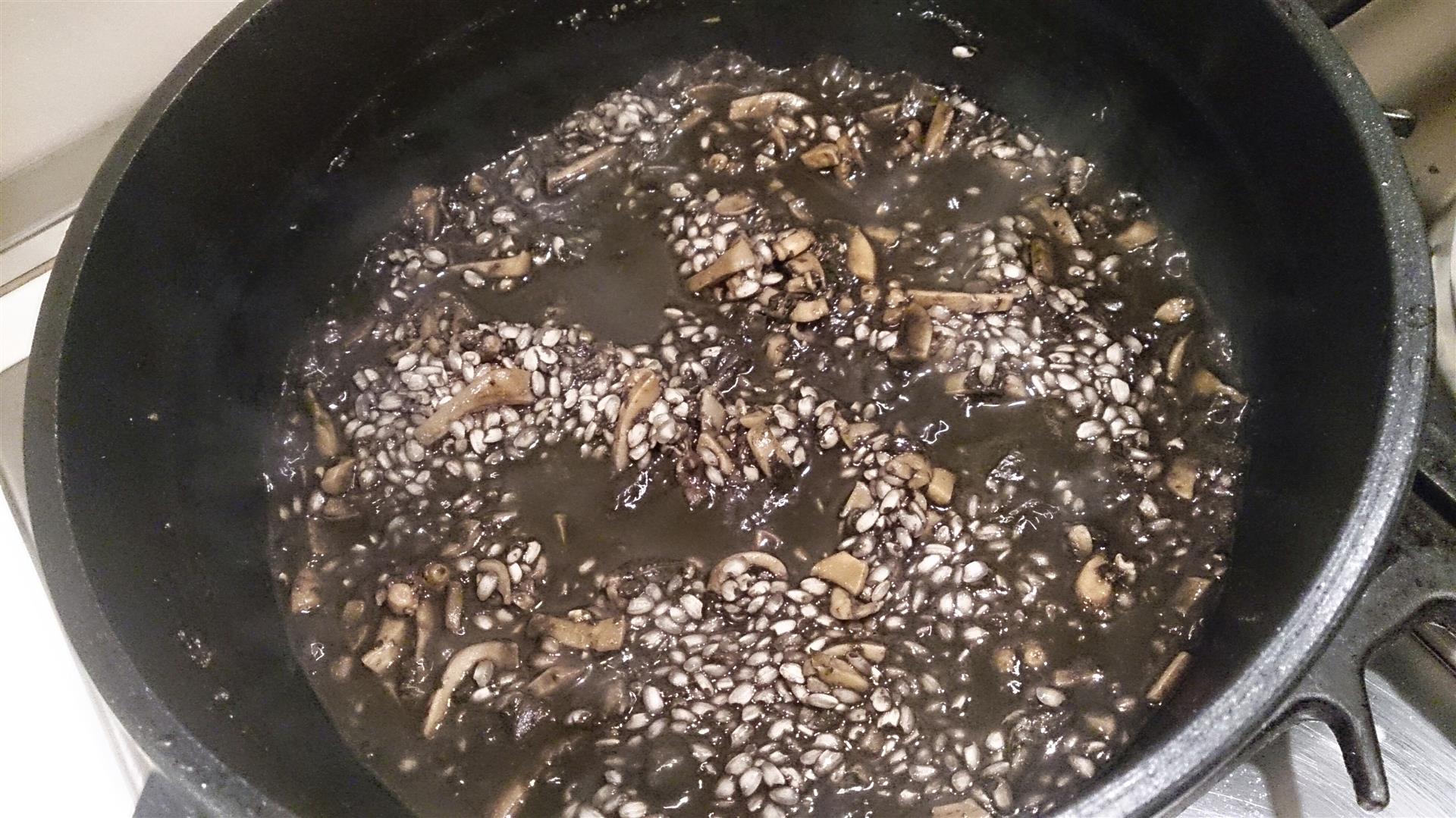
Sfuma il vino e prosegui la cottura aggiungendo via via il brodo caldo e mescolando spesso (Foto 12).

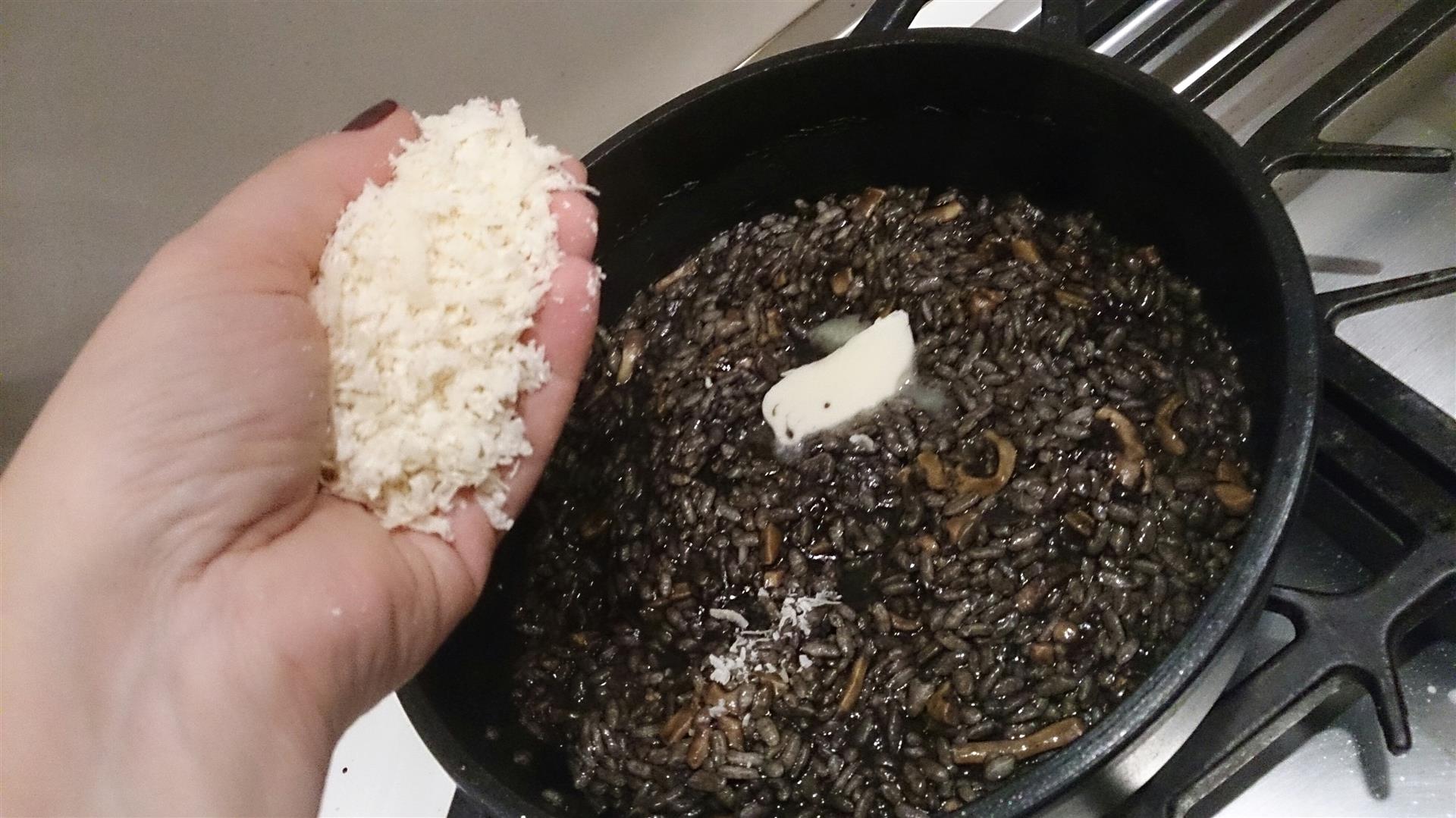
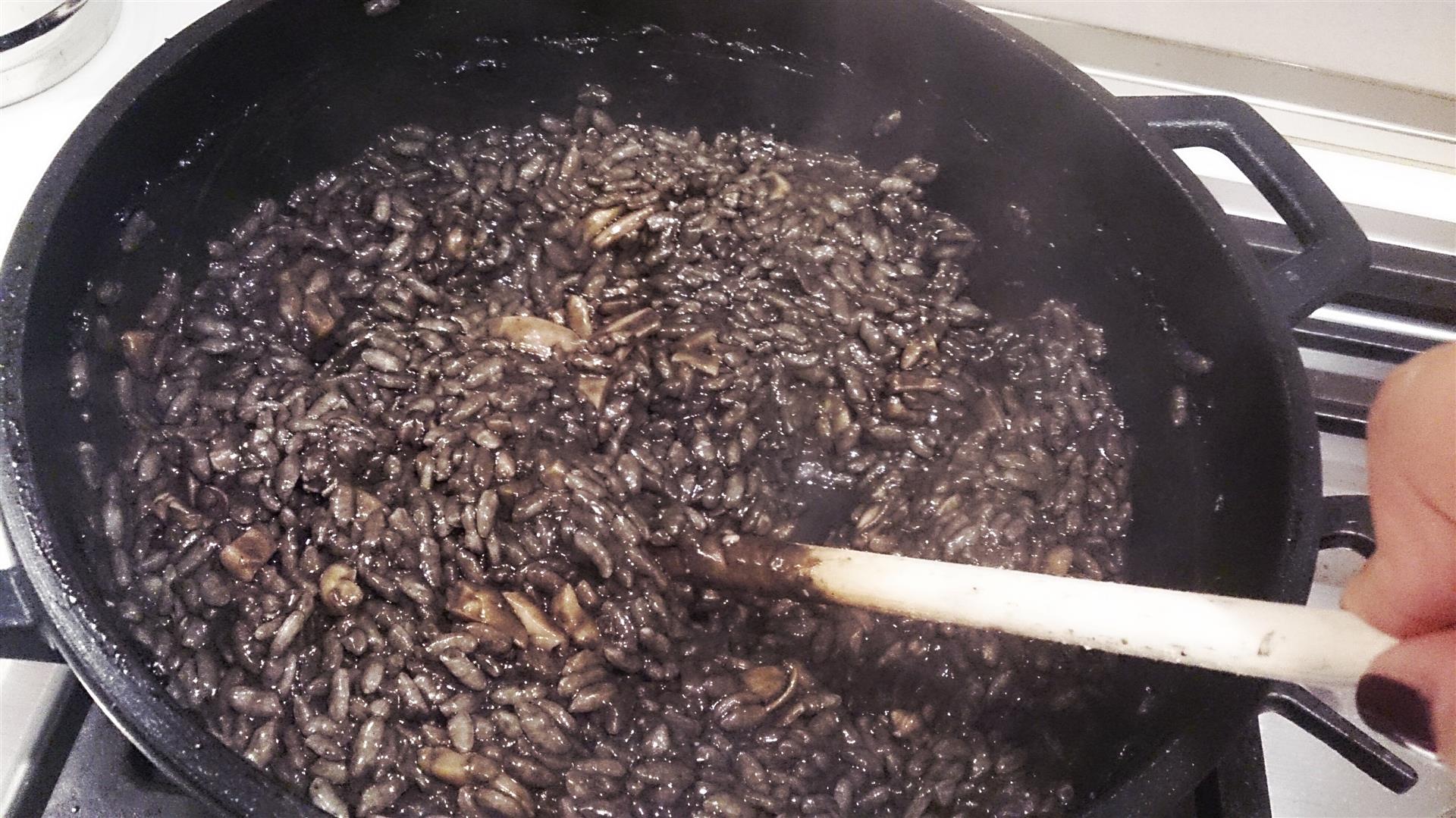
Quando il riso è pronto, a fuoco spento, manteca con il burro ed il parmigiano reggiano dando un’energica mescolata (Foto 13).

Servi ben caldo con una spolverata di pepe e prezzemolo tritato (Foto 14).

Il Risotto alle Seppie Nere è pronto, Buon appetito!

Photos: Enrico Brogiolo

Veröffentlicht unter Da Mariella | Verschlagwortet mit , , , , , , , , , | Hinterlasse einen Kommentar

Kurz nachgebellt: An Bord

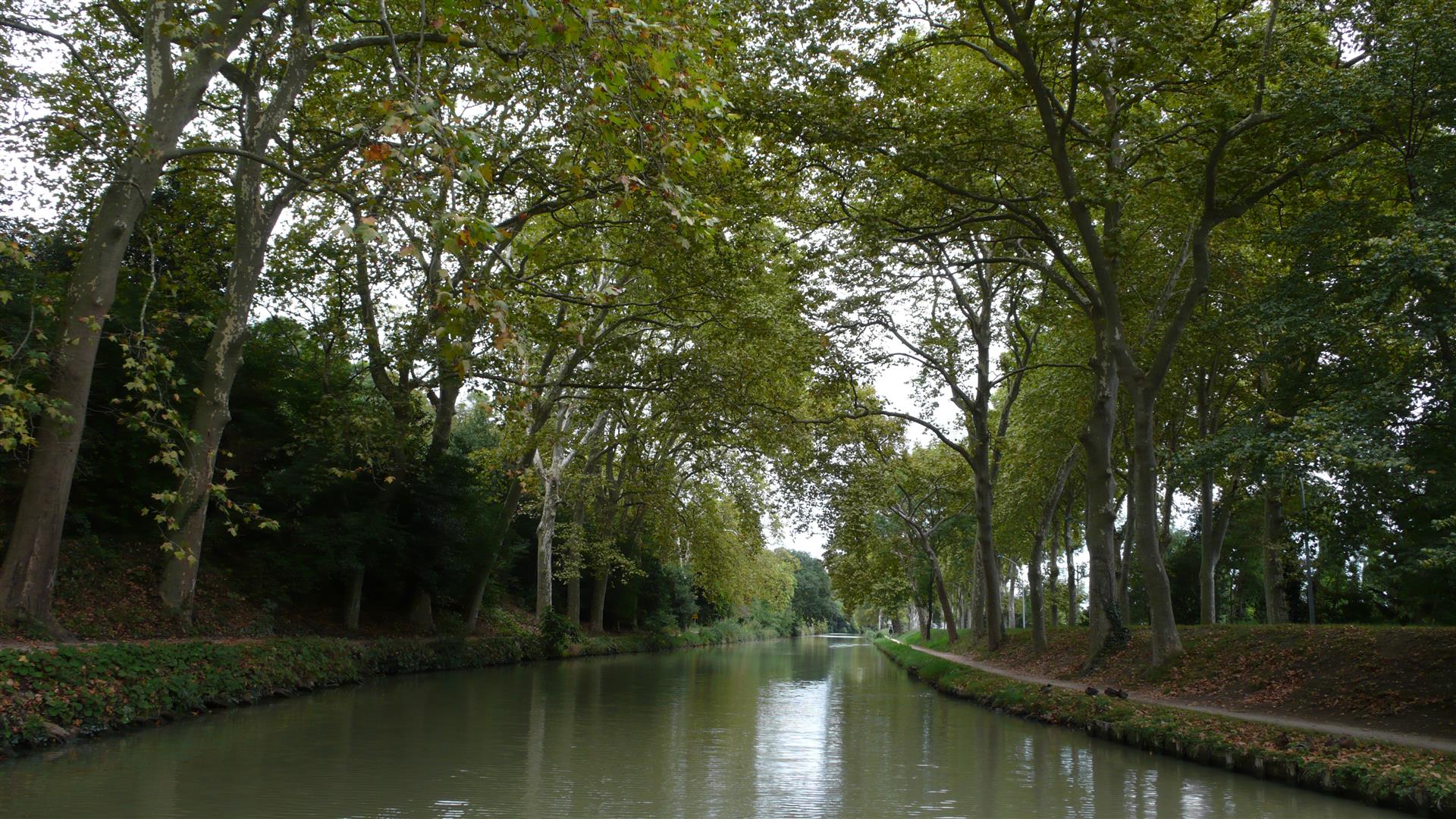
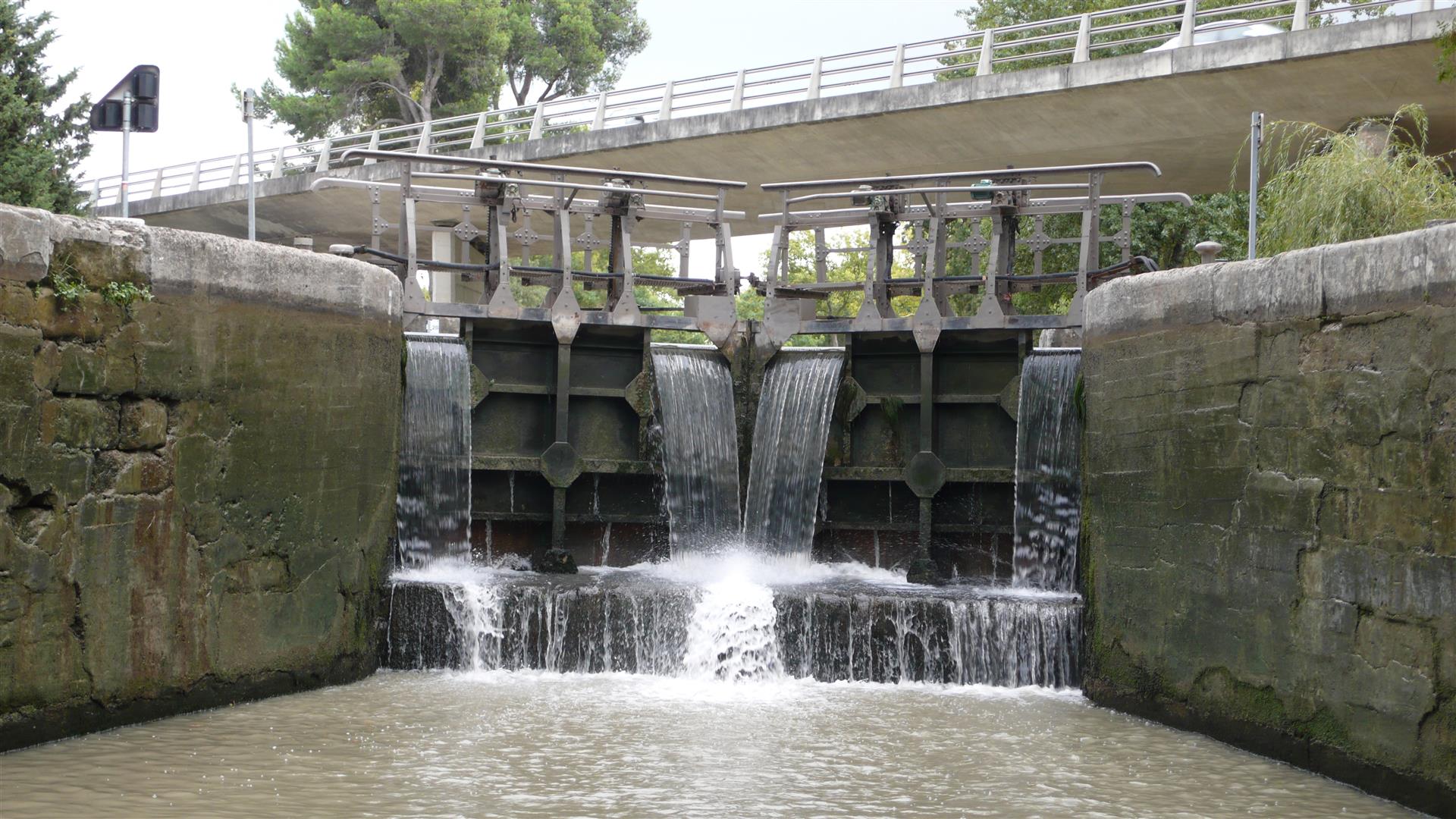
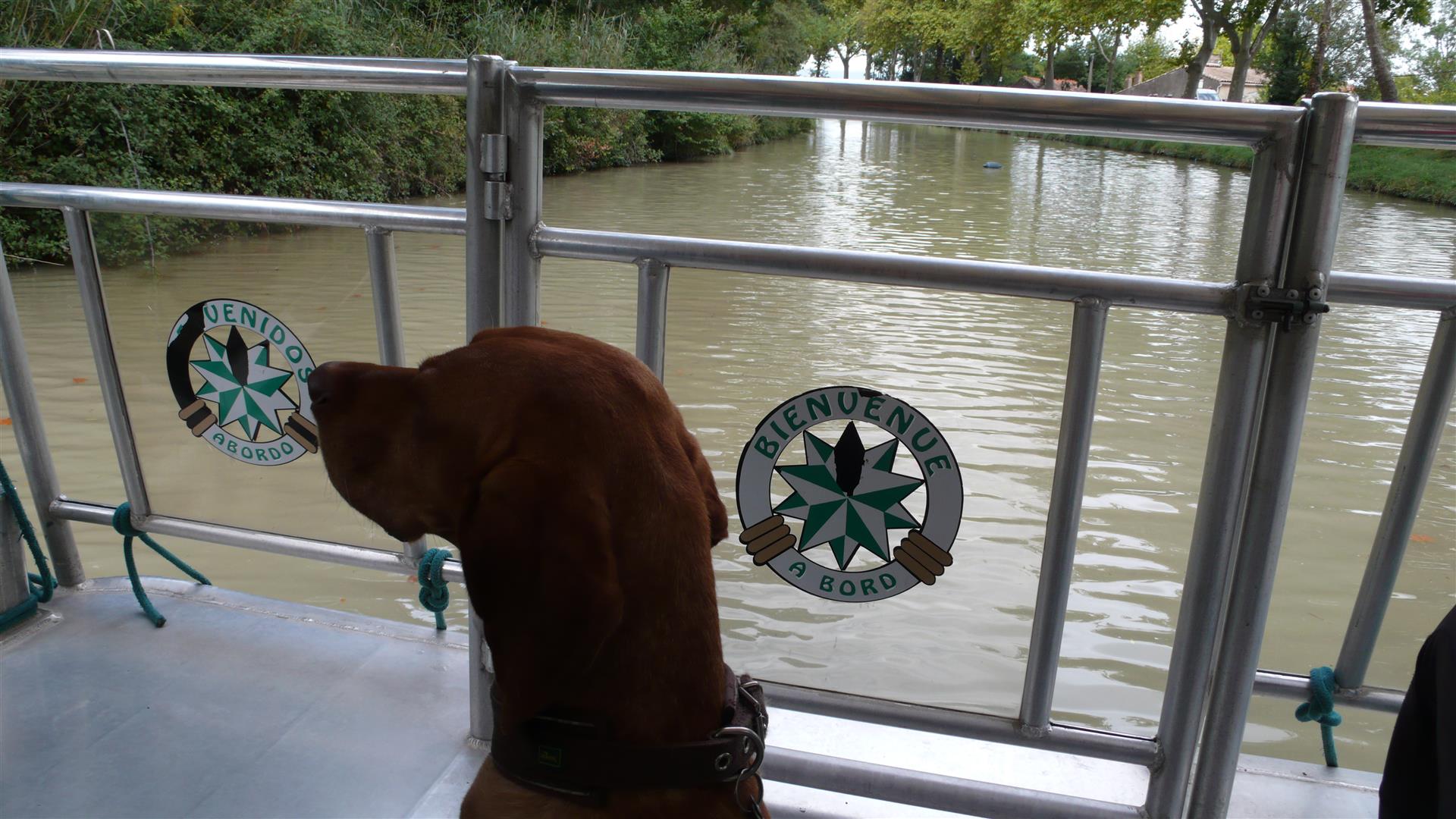
L1180788 (Large)Hier bin ich wieder! Heute mal auf einem Boot. Wir schippern durch den Canal du Midi bei Carcassonne. Schaut mal da, die jahrhundertealten Bäume. Und wir fahren gerade durch zwei Schleusen, nämlich der Carcassonne- und der Saint Jean-Schleuse. L1180784 (Large) L1180795 (Large) L1180790 (Large)

Genau dieser Kanal hier, ich würde ihn als Fluss bezeichnen, wurde um das Jahr 1667 künstlich angelegt, also von Menschenhand geschaffen. Wahnsinn, was? Er verbindet das Mittelmeer mit dem Atlantik. Aus rein wirtschaftlichen Gründen haben das die Menschen früher gemacht. Um Güter und Waren quer durch Südfrankreich zu transportieren.
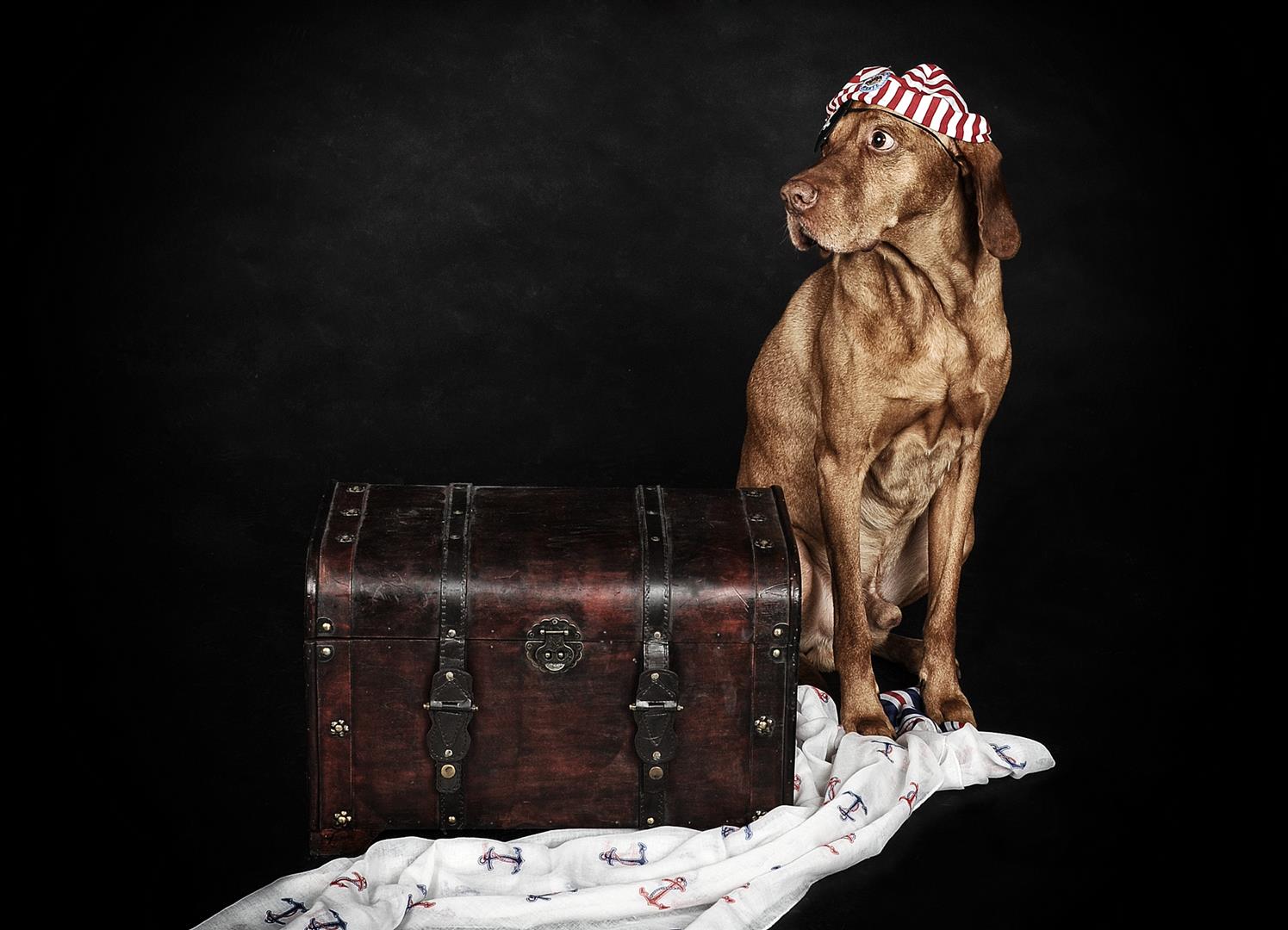
Schlau, nicht wahr? Hätte fast meine Idee sein können! Jetzt fehlt nur noch mein Kapitänspatent! Ahoi!

Euer Gaston

Veröffentlicht unter France, Kurz nachgebellt | Verschlagwortet mit , , , , , , , , | 1 Kommentar

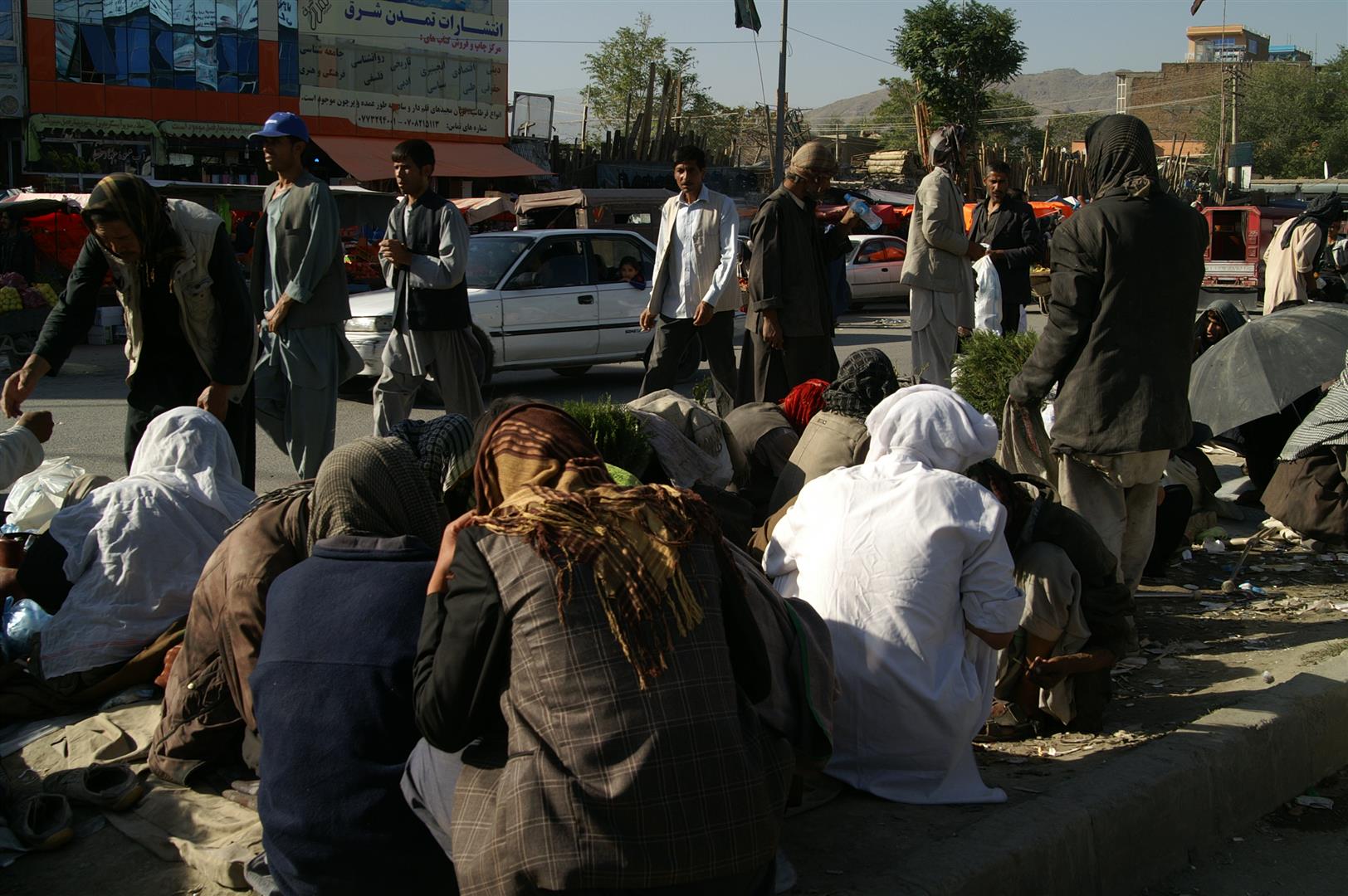
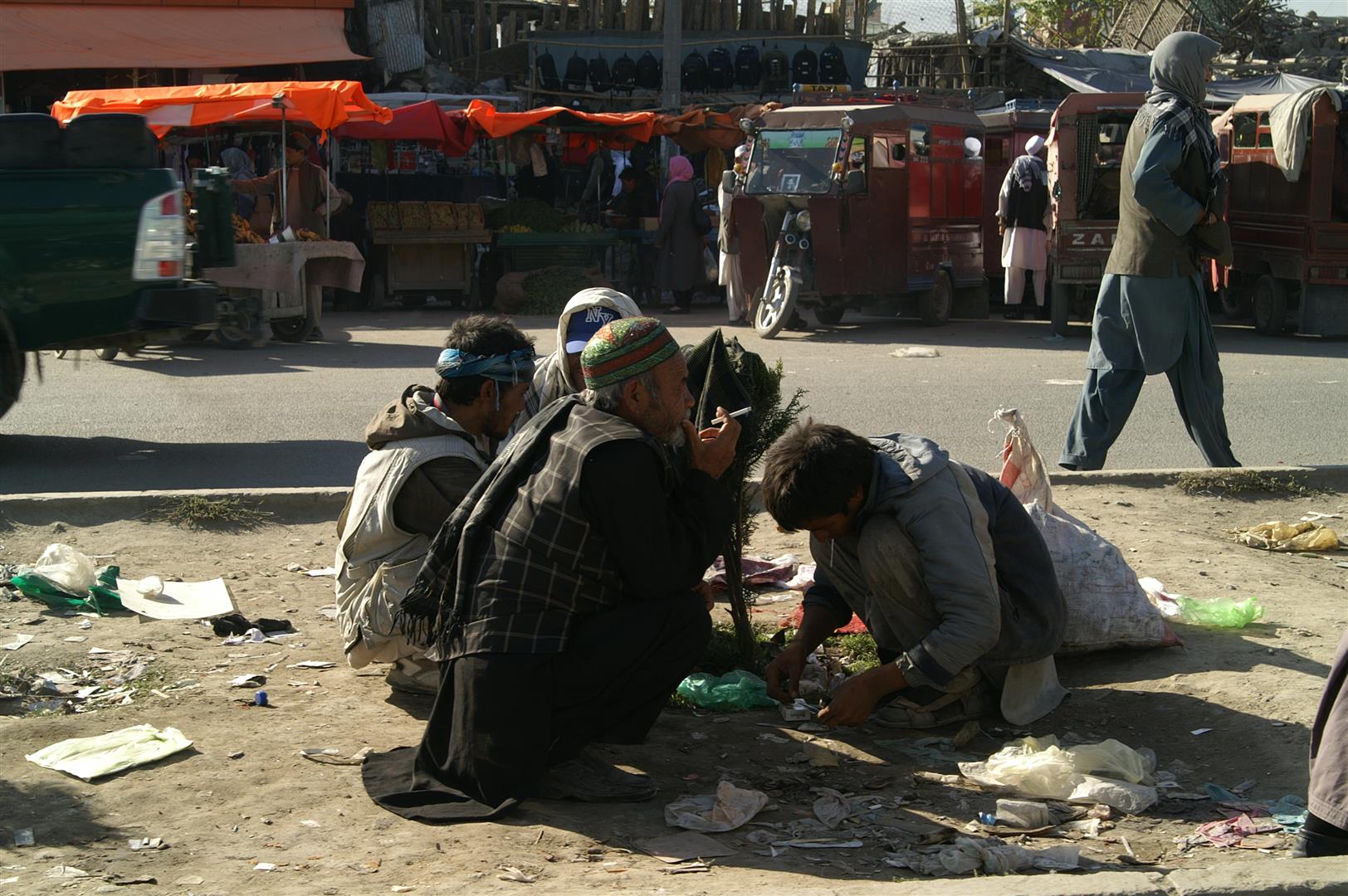
Die Opiumsüchtigen von Kabul

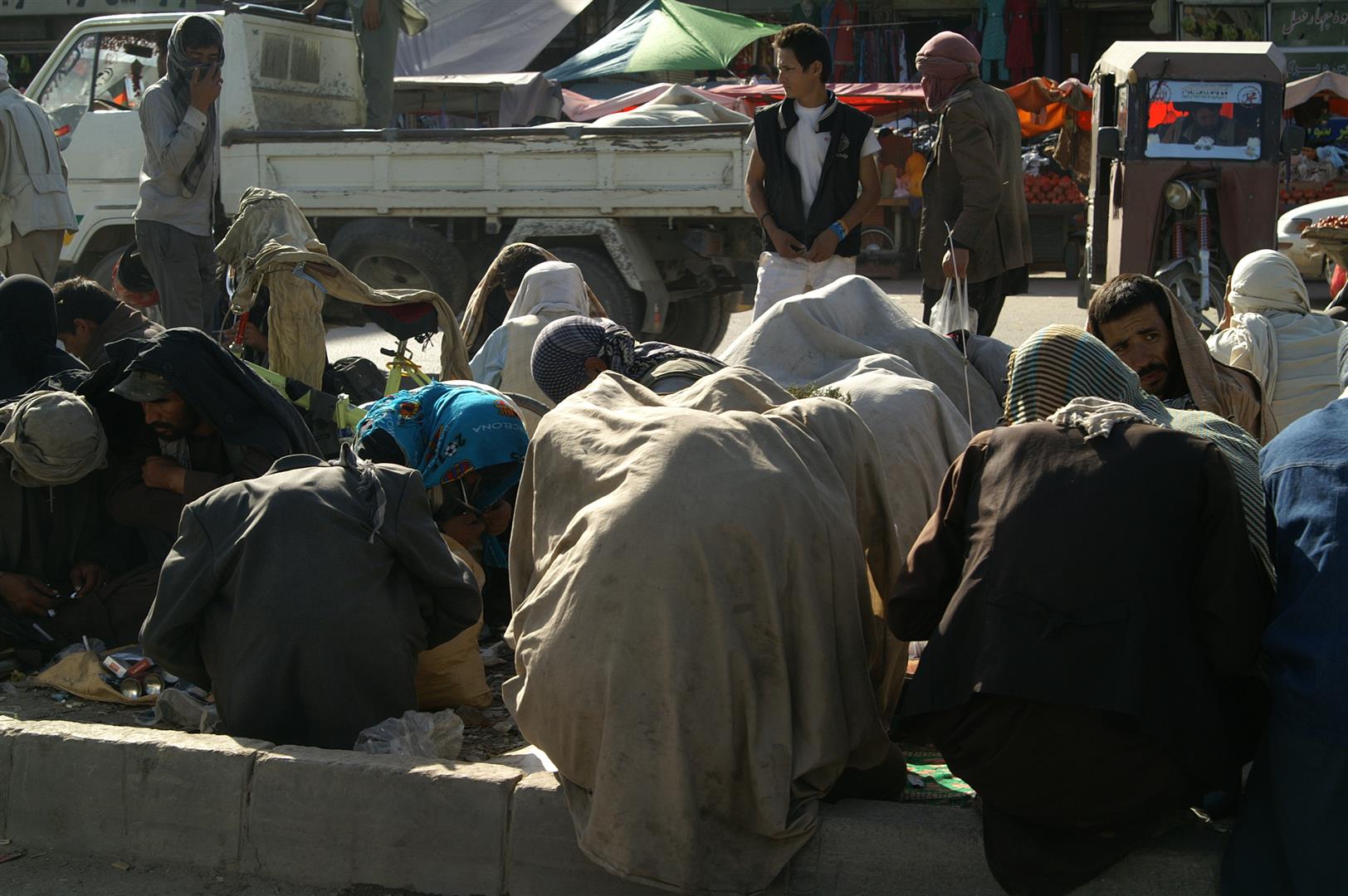
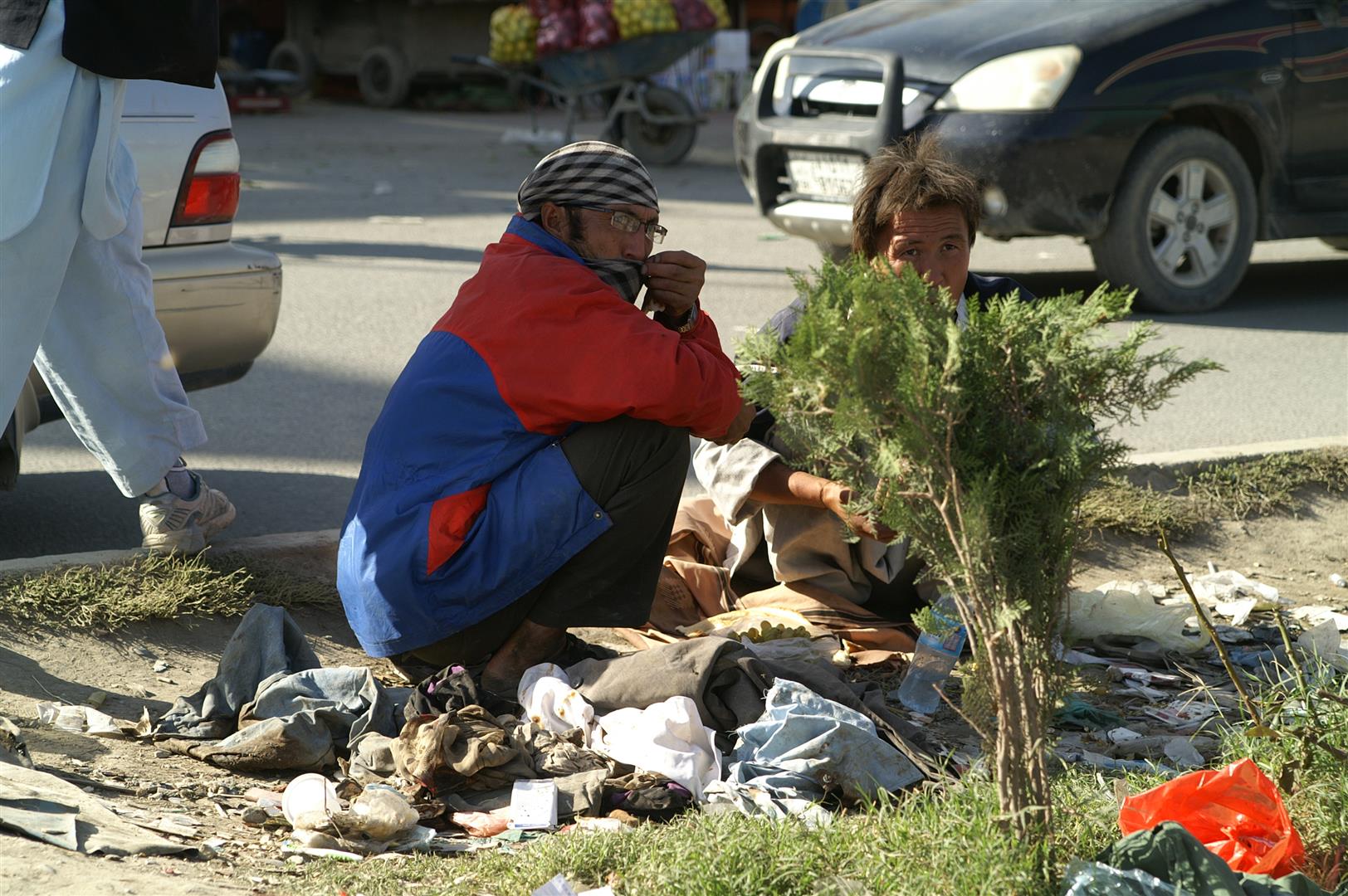
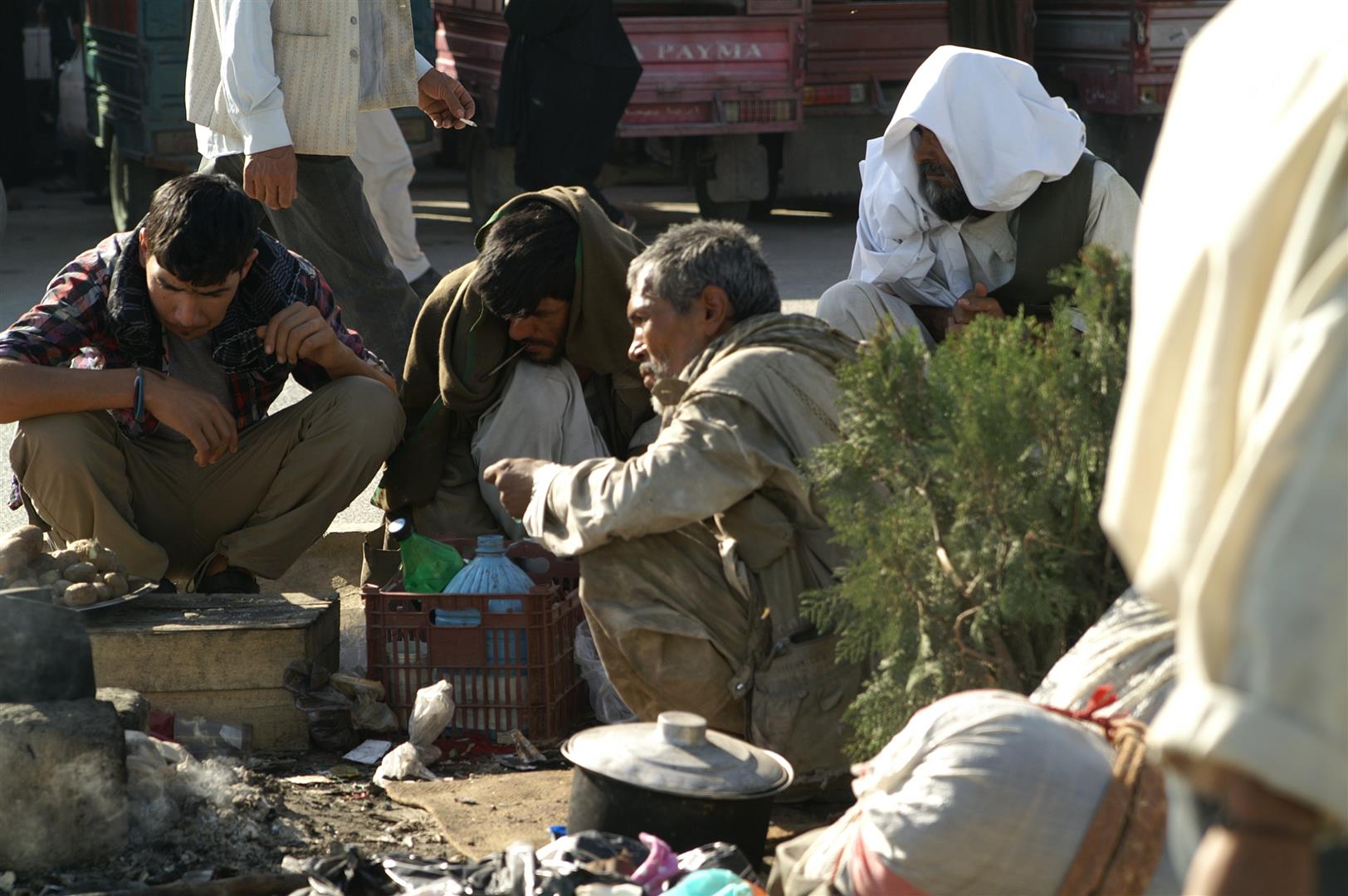
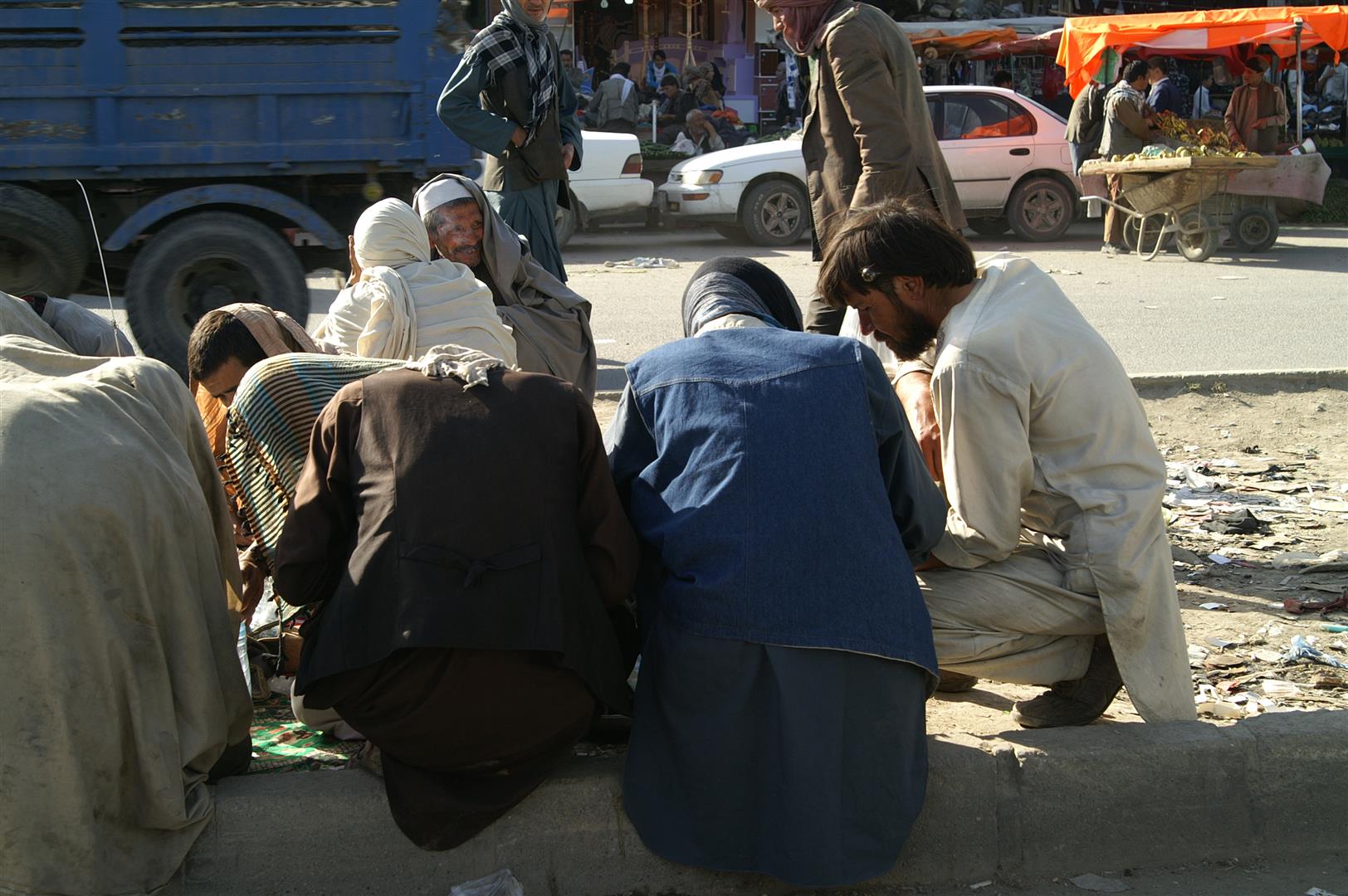
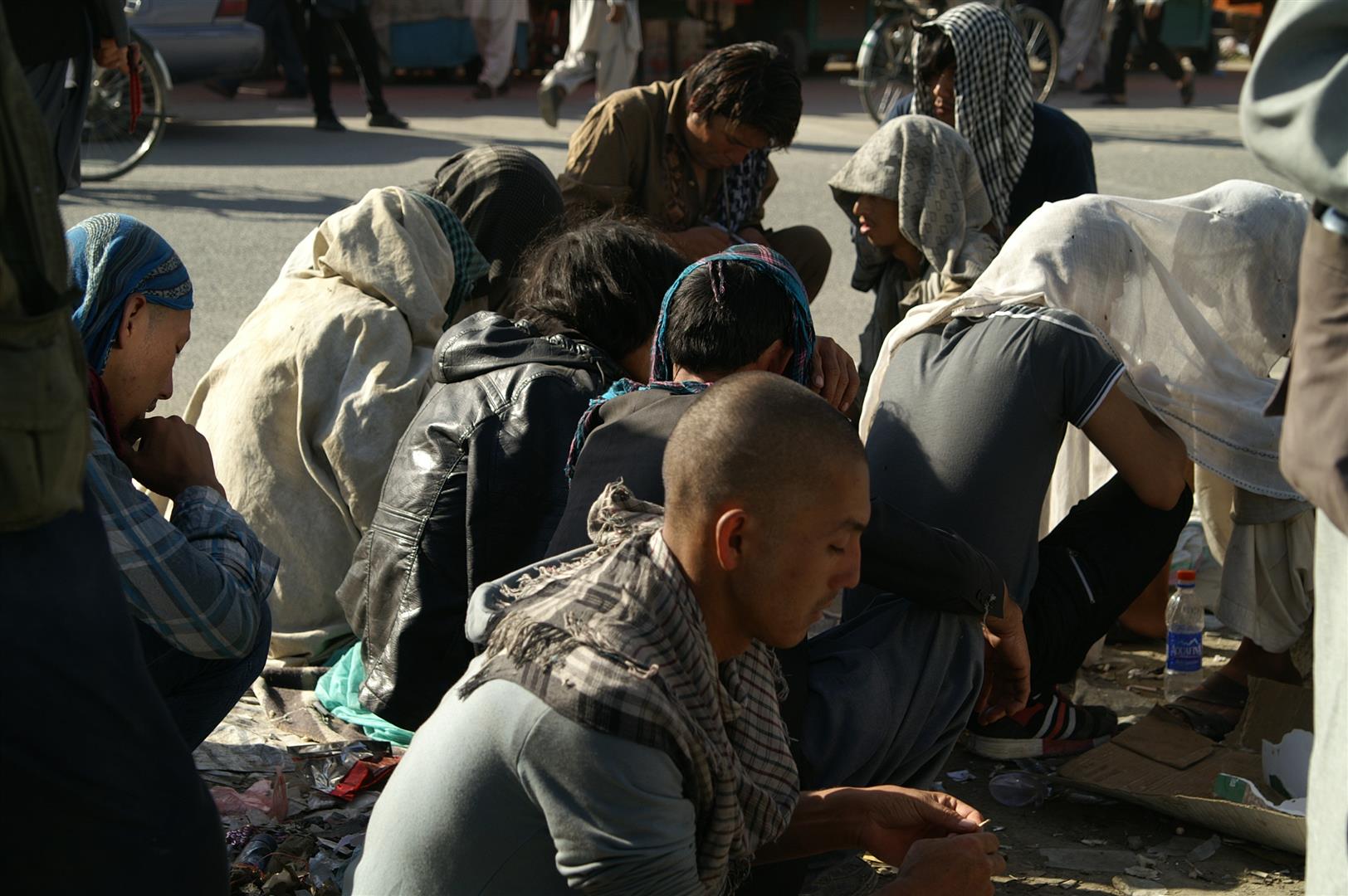
KONICA MINOLTA DIGITAL CAMERAMan sagt, es seien Gestrandete, Glücklose, die zurückkehren in die Heimat, aus der Ferne, aus dem Exil, aus dem Iran oder sonstwo her. Es sind die, die nichts mehr haben, außer dem bisschen Opium, ihre tägliche Nahrung, die ihnen Kraft zum Überleben gibt, die sie zusammenfinden lässt, da, an der Brücke Pool-E-Sokhta mitten im Zentrum von Kabul, zusammengekauert, ohne Hoffnung, von einem Tag auf den anderen lebend, dahin vegetierend.KONICA MINOLTA DIGITAL CAMERA KONICA MINOLTA DIGITAL CAMERA KONICA MINOLTA DIGITAL CAMERA KONICA MINOLTA DIGITAL CAMERA KONICA MINOLTA DIGITAL CAMERA KONICA MINOLTA DIGITAL CAMERA

Veröffentlicht unter Afghanistan, Reise, Sabine’s world: A travel diary | Verschlagwortet mit , , , , | 2 Kommentare

Portugal: Die Maurenburg von Sintra

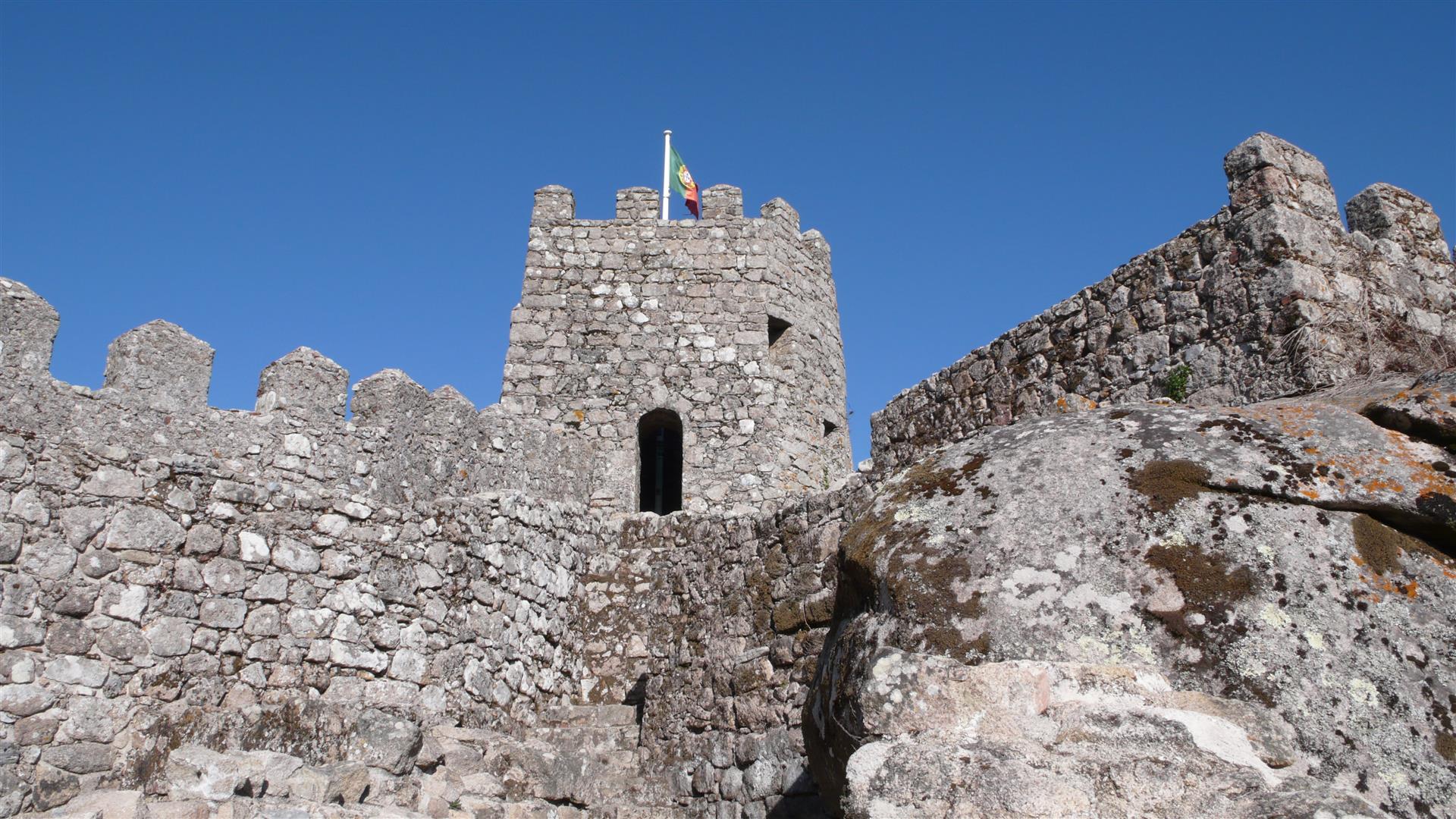
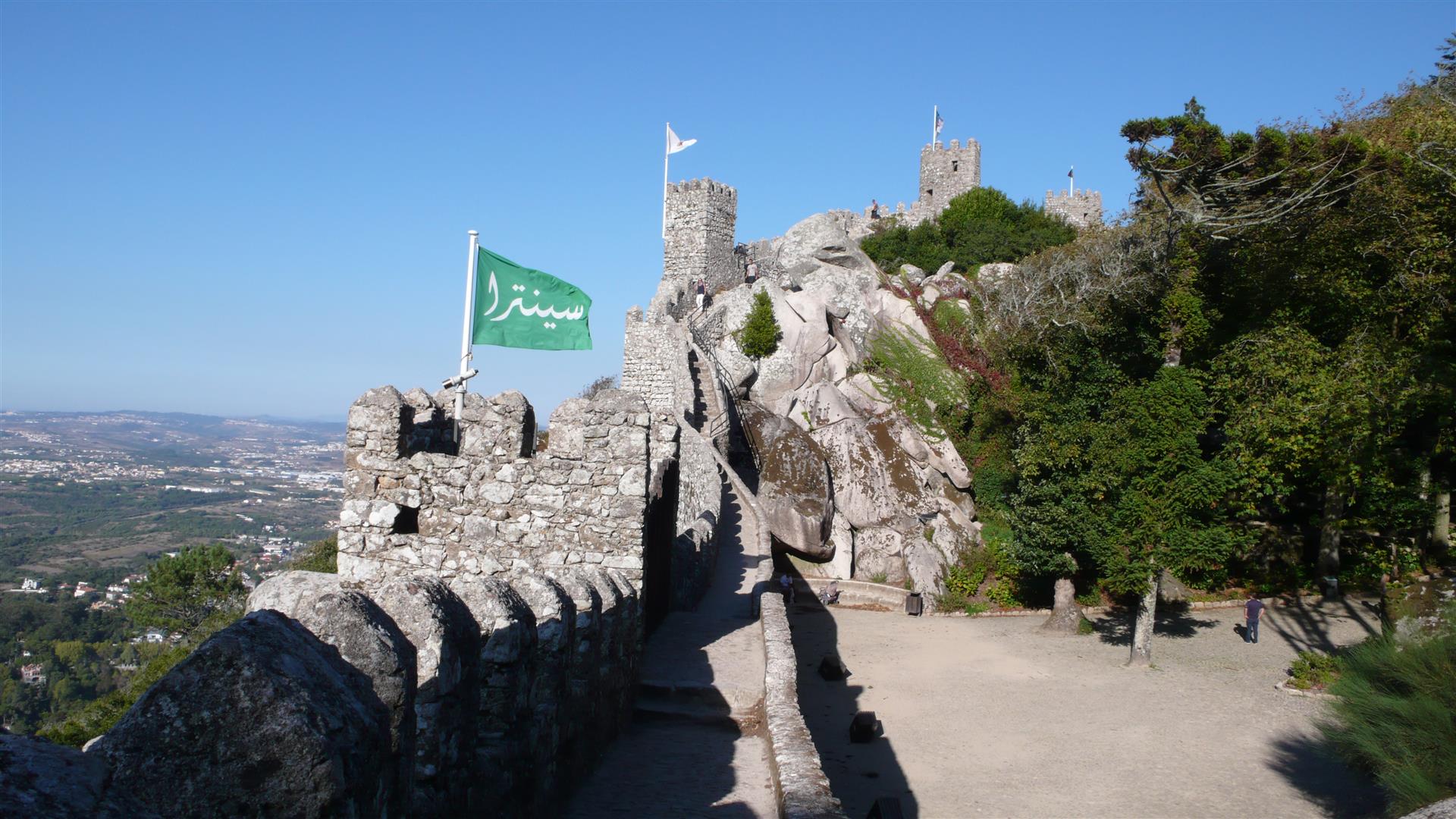
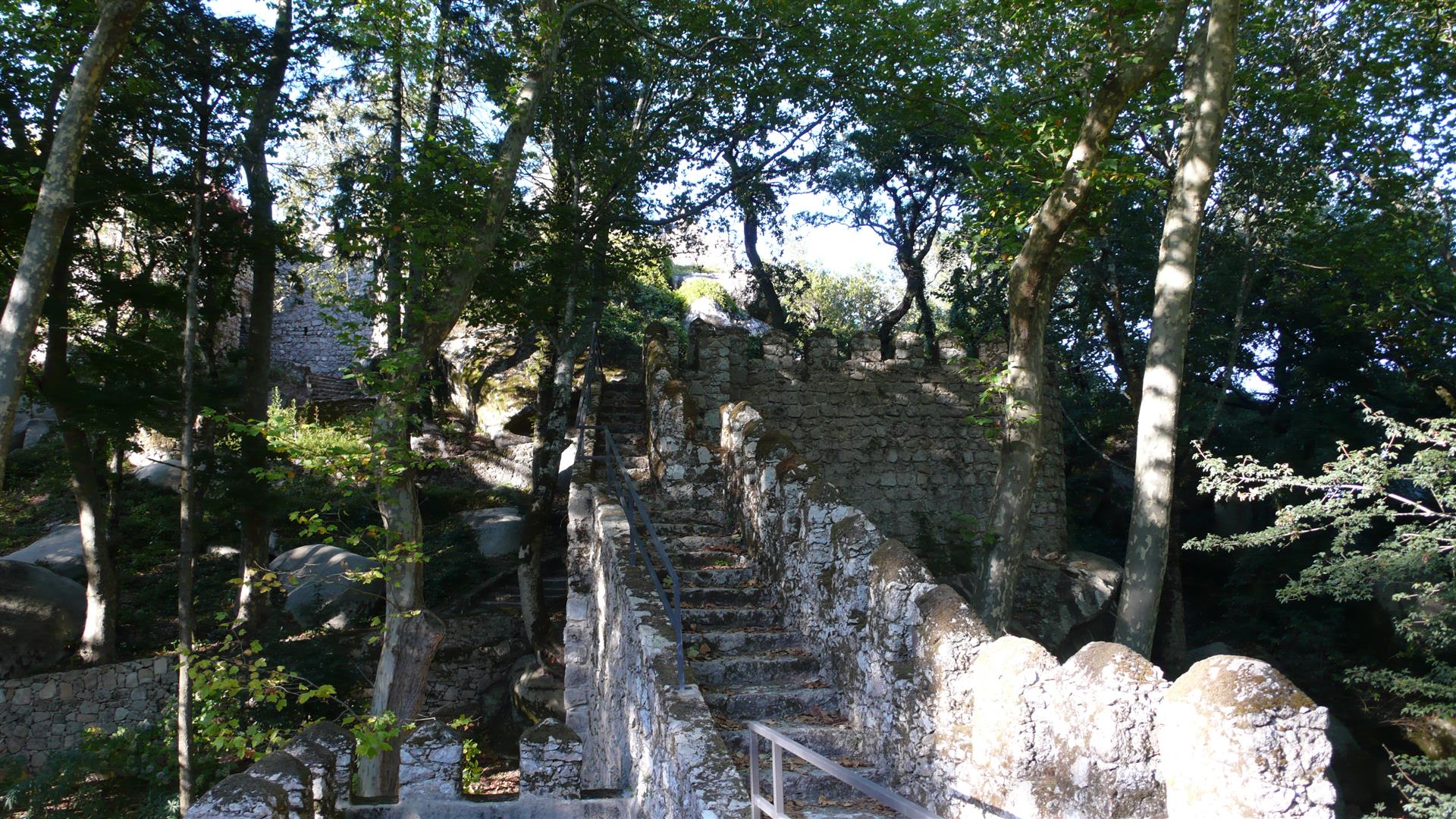
L1180958 (Large) L1180955 (Large)Von Lissabon oder einer der Küstenorte ist man schnell in Sintra. Die Festung wurde um das 10. Jahrhundert herum von Moslems, die die Iberische Halbinsel besetzten, errichtet. Sie soll zur Bewachung der Atlantikküste und der nördlichen Gebiete gedient haben und war für die Stadt Lissabon ein militärischer Vorposten. Wunderschön ist die Aussicht auf die Atlantikküste, das Tiefland und das Sintra-Gebirge. Die Burg war bekannt für ihre strategische Position bei der Verteidigung der Region und der Meereszugänge der Stadt Lissabon.

1995 klassifizierte die UNESCO das Sintra-Gebirge, in dem sich die Burg befindet, als Kulturlandschaft und Erbe der Menschheit.L1180951 (Large) L1180956 (Large) L1180959 (Large)

The Moorish castle of Sintra is a military fort built around the 10th century by the Muslim population that occupied the Iberian peninsula. It acted as a control tower for the Atlantic coast and the land to the north, serving as an outpost for the city of Lisbon. With great views of the Atlantic coast, the Sintra hills and its surrounding fields, the Moorish Castle is strategically located to defend both the local territory and the maritime access to the city of Lisbon. You can visit it during a daytrip from Lisbon or from one of the Surf spots at the coast north of the capital.

In 1995 the UNESCO listed the Sintra Hills where the castle is located as Cultural Landscape and World Heritage.

Veröffentlicht unter Portugal, Reise, Sabine’s world: A travel diary | Verschlagwortet mit , , , , , | 2 Kommentare

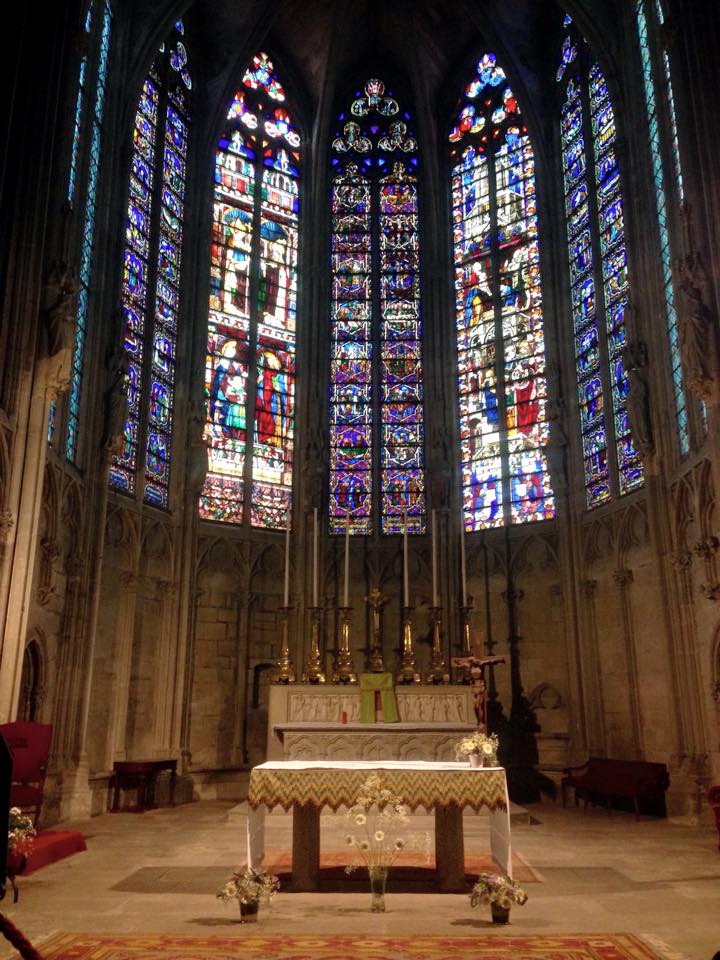
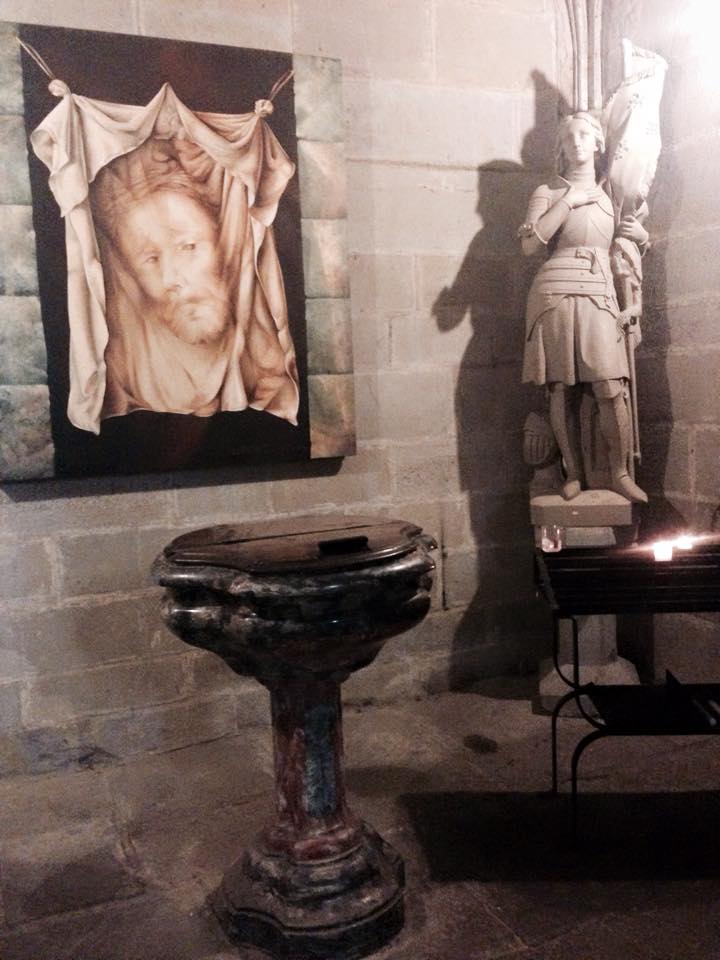
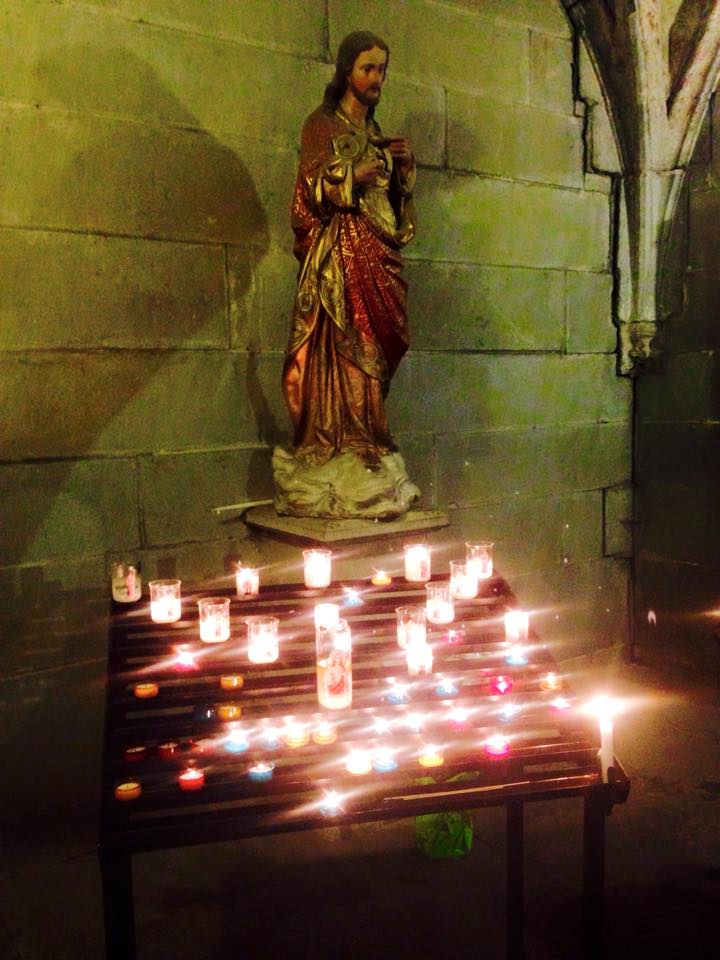
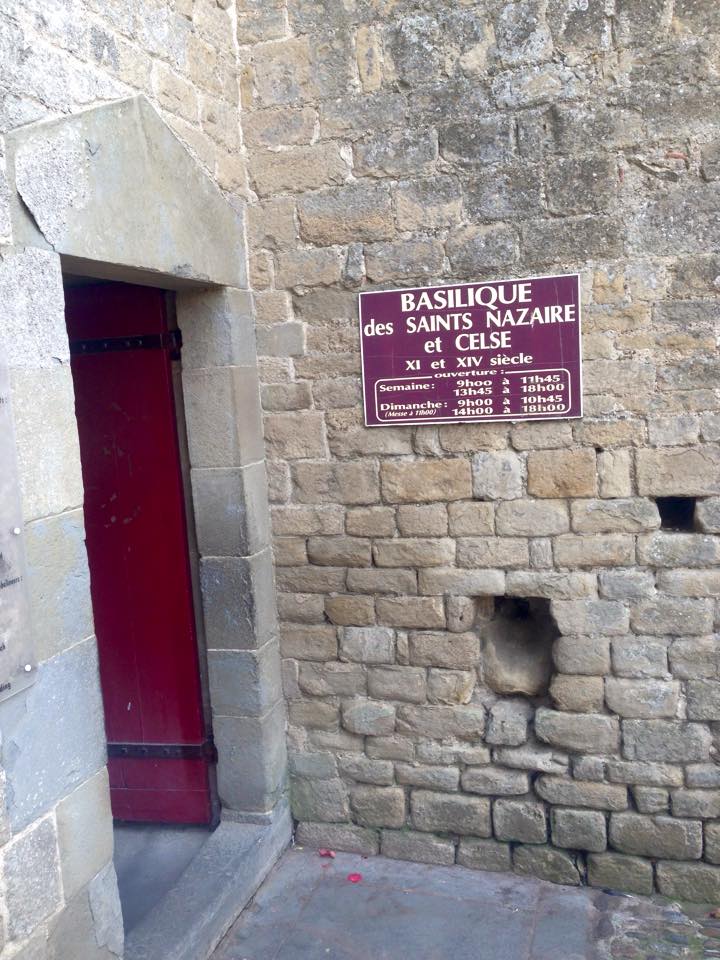
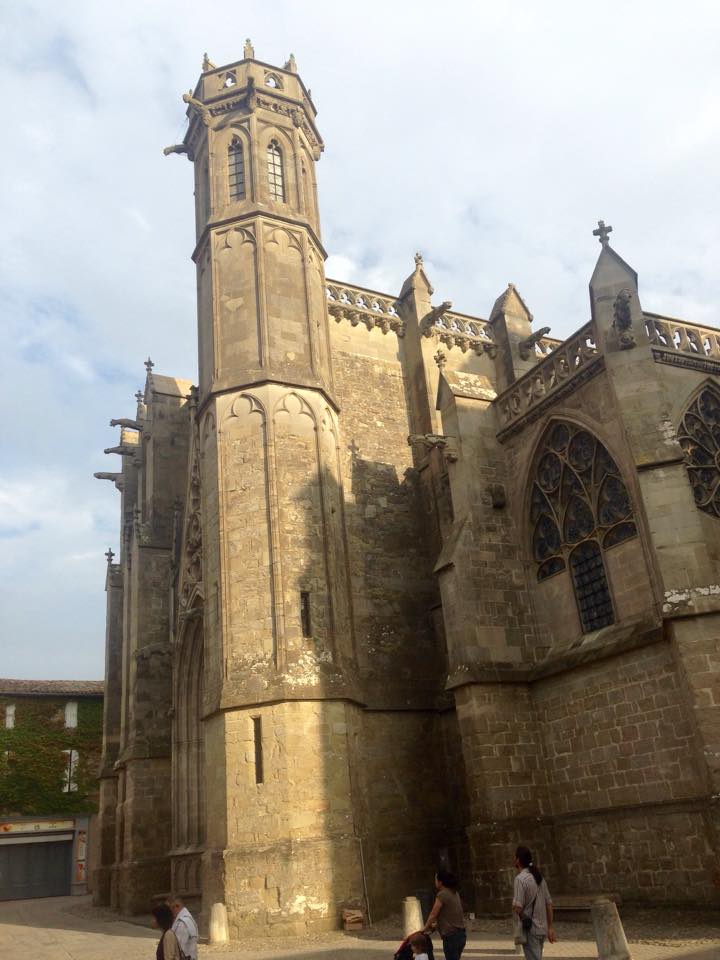
Carcassonne: The Basilica of Saint-Nazaire

I like to visit churches on my way to explore a city. It is always a nice way to get back the inner peace when you sit inside and let the holy atmosphere surround you.

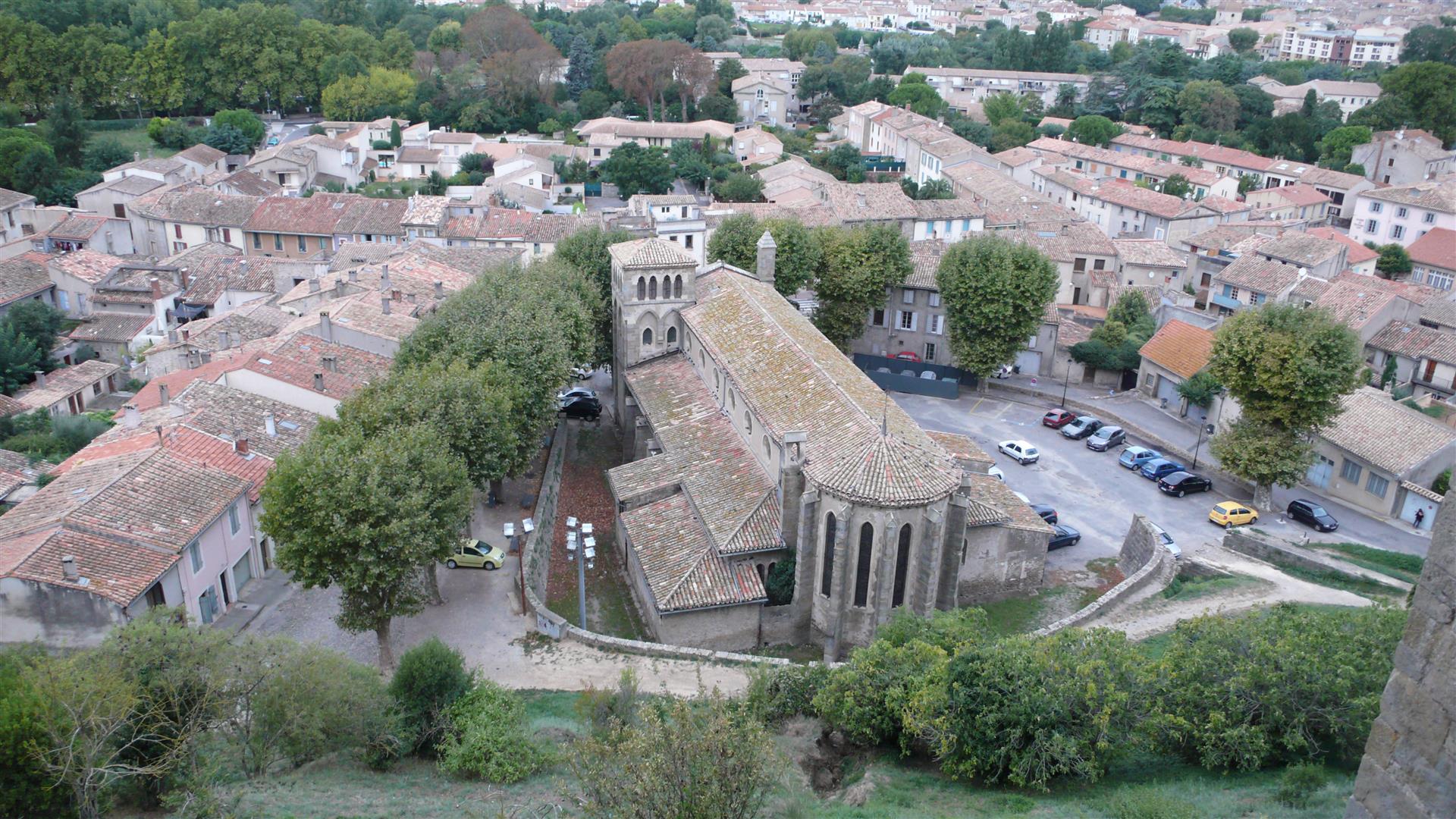
Here we are! This church is really the „Jewel of the Medieval City“ and a good example of harmonious coexistence of Romanesque and Gothic architecture with the finest stained glass in the south of France. Just have a look!

Veröffentlicht unter France, Reise, Sabine’s world: A travel diary | Verschlagwortet mit , , , | Hinterlasse einen Kommentar

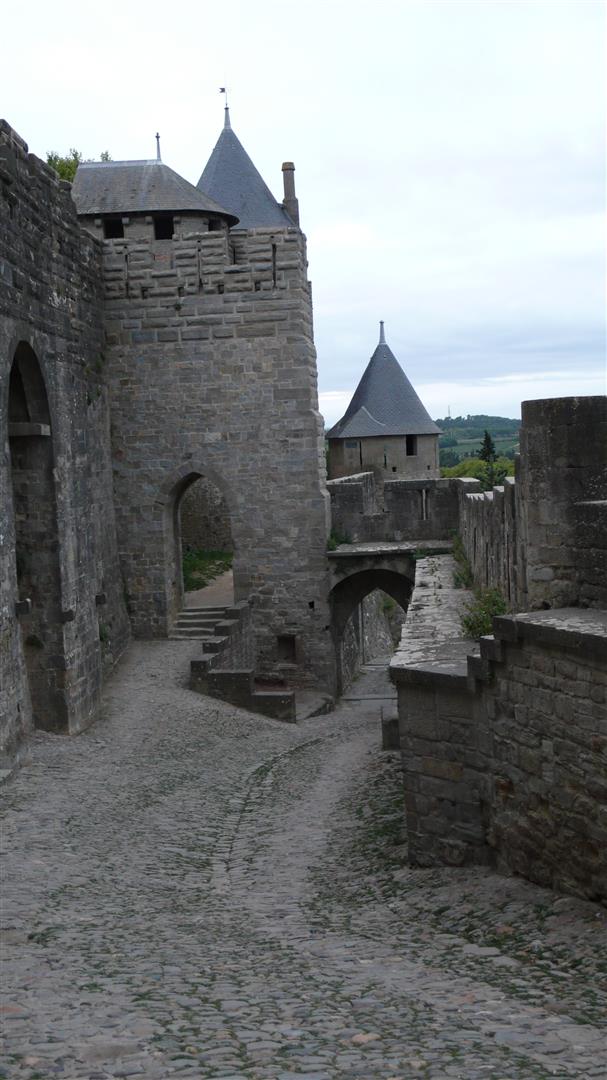
Kurz nachgebellt: The Aude Gate

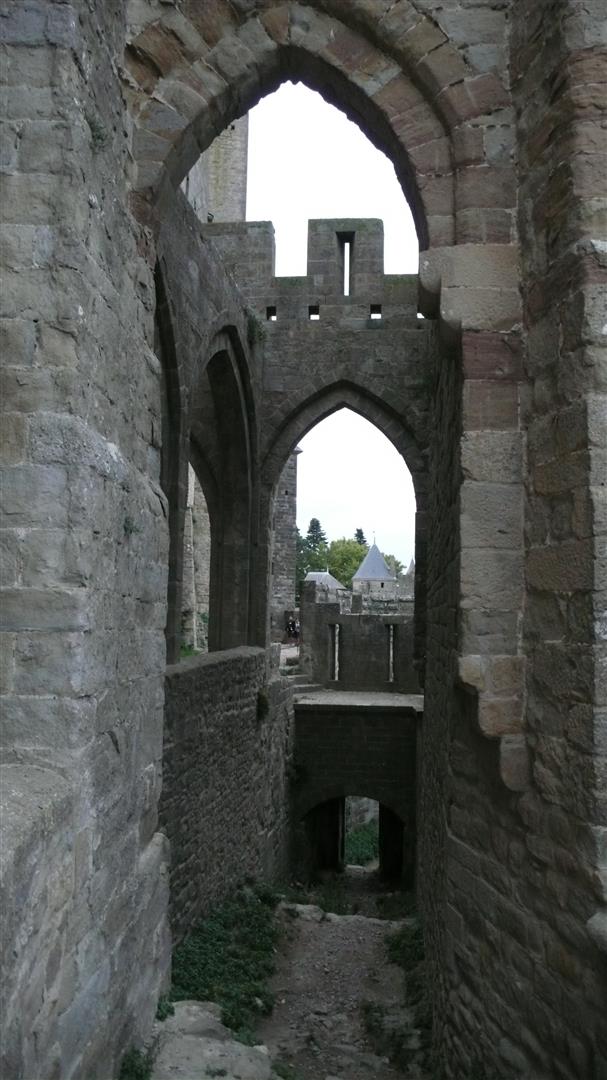
That is the right place for impressing the doggie girls. This gate with its typically medieval appearance was formerly extended by the Aude barbican or bastion which was partyl demolished in 1816 for the building of the church of Saint-Gimer. Only the ramp surrounded by crenelated walls still remains.

Yours,

GastonIMG_4271 (Large)

Veröffentlicht unter France, Kurz nachgebellt, Reise, Sabine’s world: A travel diary | Verschlagwortet mit , , , , , , | Hinterlasse einen Kommentar

Southern France: In Carcassonne

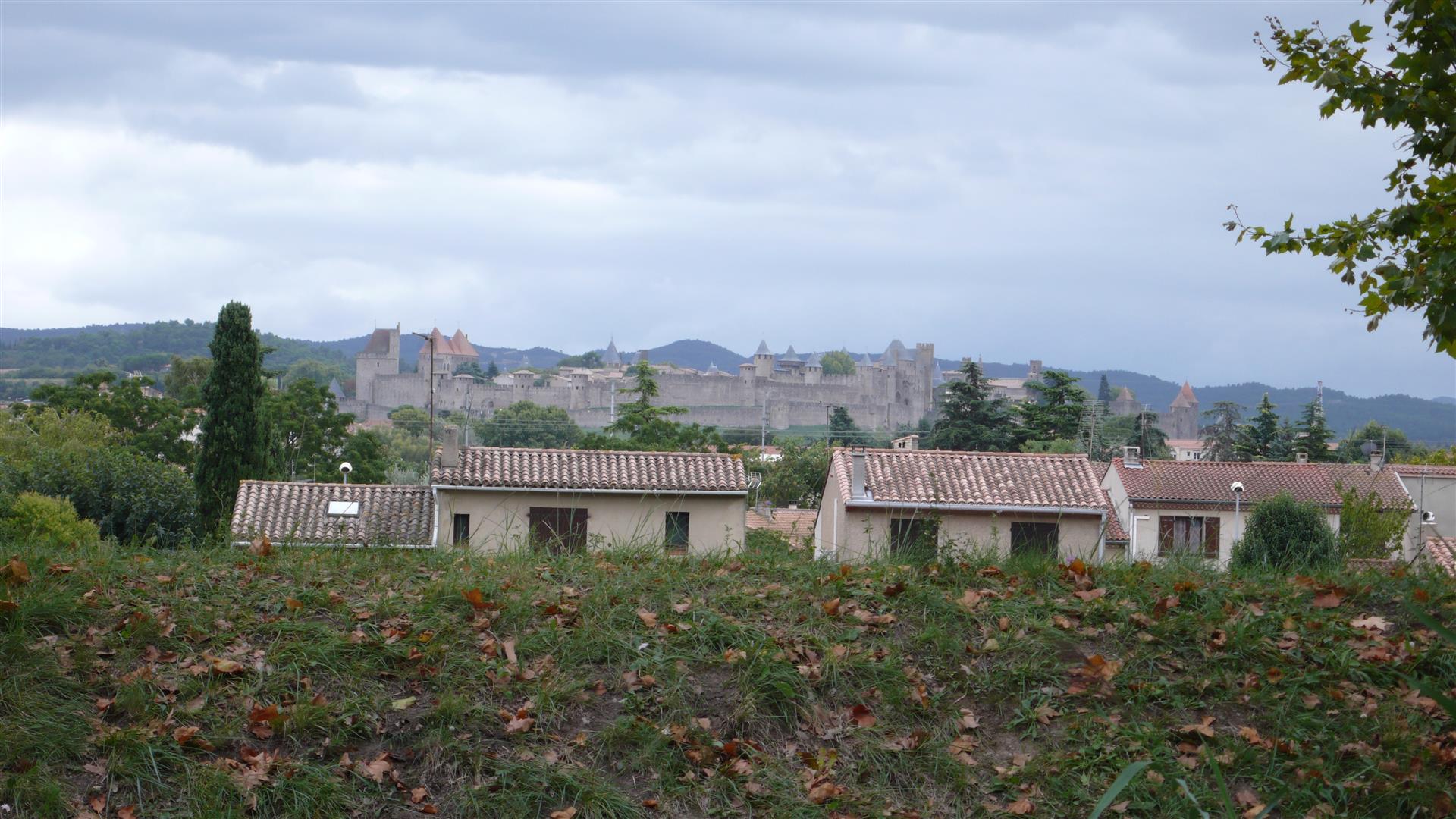
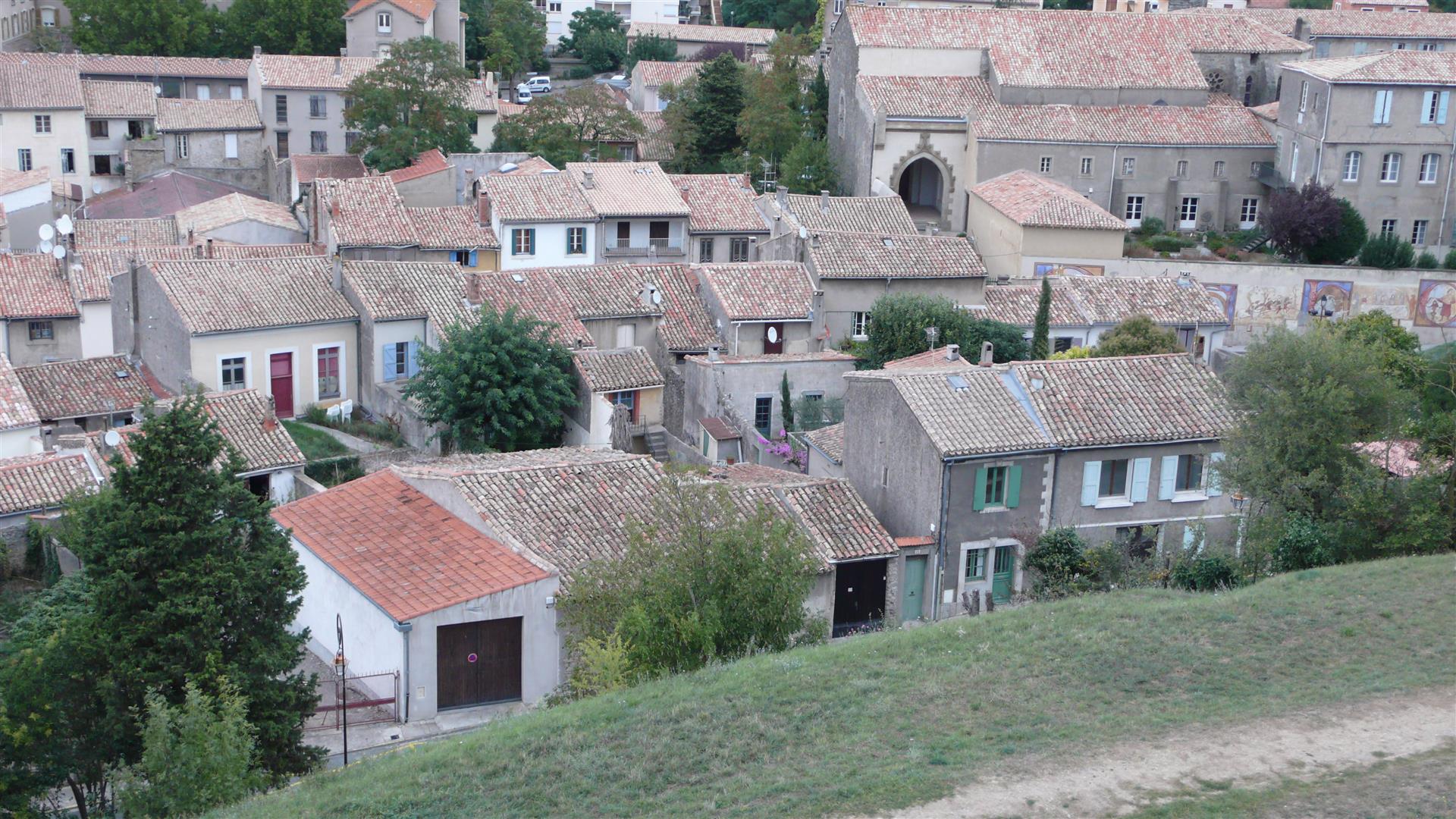
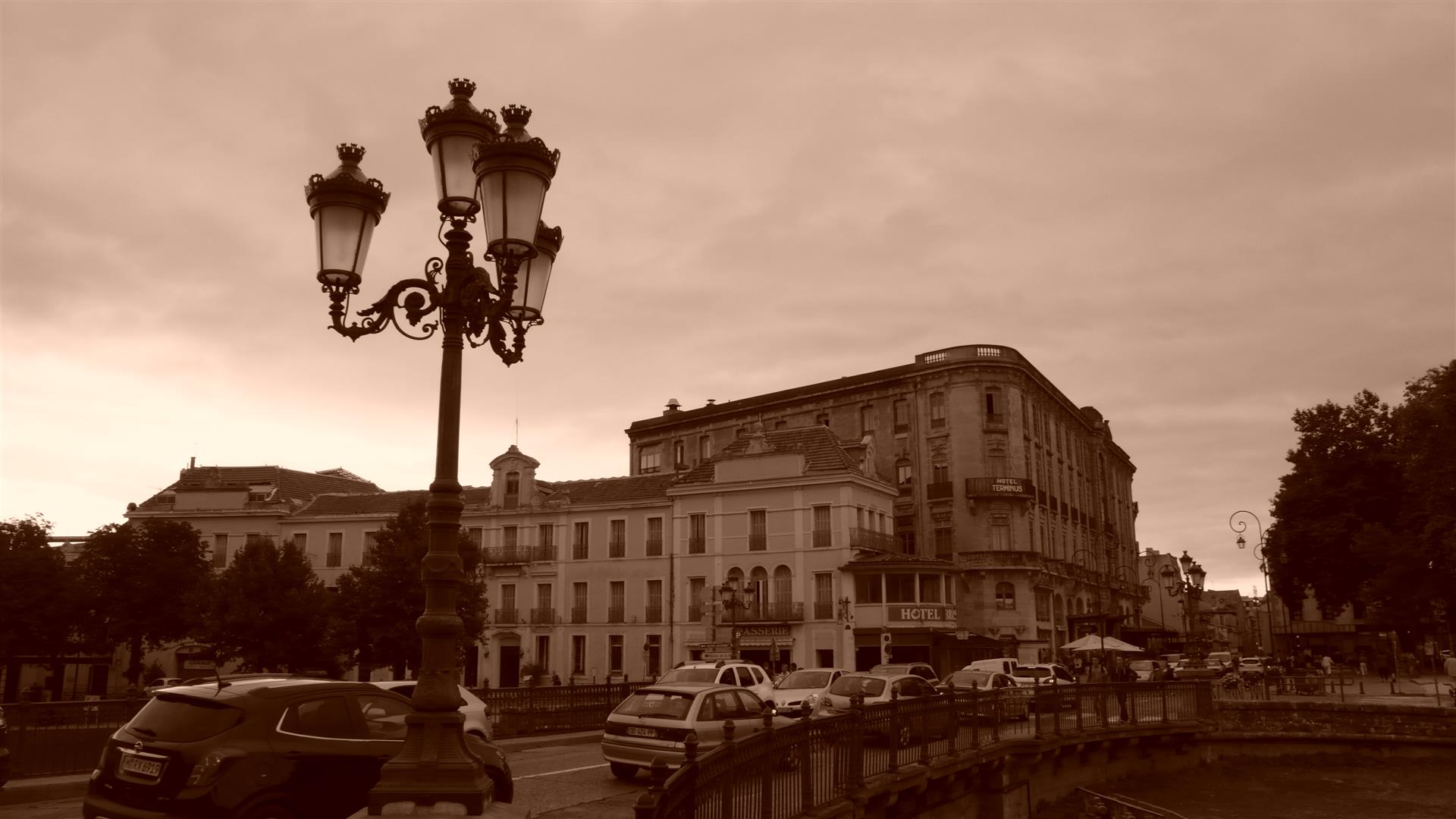
L1180798 (Large) L1180785 (Large)On our way to Barcelona we are passing a real medieval jewel: The ancient city of Carcassonne. It is such a pleasure to walk around and to learn more about its history. Just let me tell you the story of Carcassonne.

It was in Carsac, to the south of the city, where the history truly began, 1.000 years before the birth of Christ. In the VI B.C., this settlement was abandoned in favour of a hill camp located on the site of the current city. In the I B.C. it was integrated into the Roman Empire as part of the Narbonensis Province, and would later become Castellum during the IV Century. The city suffered long periods of occupation at the hands of the Visigoths and the Saracens. Integrated into the kingdom of the Francs in the VIII Century, it subsequently became the seat of a powerful Count. In the XIII Century, in response to the Cathar heresies, Pope Innocent III declared a Crusade against the Albigensians.L1180824 (Large)

Count Simon de Montfort was at he head of this crusader army that came to fight heresy. He laid siege to the City, which fell to him in 1209, and he imprisoned Raymond Roger Trencavel, Viscount of Carcassonne. Handed over to the King of France in 1226, the city became a Seneschal’s seat. Saint Louis transformed it into a royal fortress, at the forefront of a defensive line to guard the Franco-Spanish border. In 1240, Raymond II Trencavel, attempted to retake it, without success. The settlements that then surrounded the city, made up of the parishes of Saint Vincent and Saint Michel, were destroyed. In 1247, following the surrender of the Trencavels, Saint Louis ordered that the inhabitants of these settlements should be rehoused on the left bank of the river within a Bastide that was to be designed according to a grid system.L1180834 (Large)

In 1355, the Bastide was torched by the Prince of Wales, known as the Black Prince. Rebuilt, but with a smaller surface area, it was encircled by ramparts. In 1590, during the wars of religion, the city, unlike the Bastide, refused to recognise Henri IV als King of France because he was a Huguenot. A violent conflict divided the City for several months.

After the Treaty of the Pyrenees in 1659 the city lost its position as a border crossing and also its pre-eminence. The production of woollen cloth, in evidence since the XIV Century, became the main industry. Around 1780, a decline in the market led to the disappearance of this industry in the area. L1180819 (Large)

It was only under the 3rd Republic that it was to rediscover its economic vibrancy thanks to viticulture and the trades associated to this industry. In the XIX Century, the city, then used as a stone quarry, was saved by an erudite local named Jean-Pierre Cros-Mayrevieille and was restored by the architect Eugène Viollet-le-Duc. The cultural life of Carcassonne was to become increasingly rich over the next century: of particular note are the composers Paul Lacombe and Déodat de Severac, as well as the writers Joë Bousquet and René Nelli.

Carcassonne, whose city and Canal du Midi are listed as UNESCO World Heritage Site, nowadays enjoys an international reputation and welcomes several million visitors every year. We were ones of the several millions and we enjoyed much being there!L1180800 (Large)

Veröffentlicht unter France, Reise, Sabine’s world: A travel diary | Verschlagwortet mit , , , , , , , , , , , , | Hinterlasse einen Kommentar

Fotos der Woche – Hunde in Afghanistan

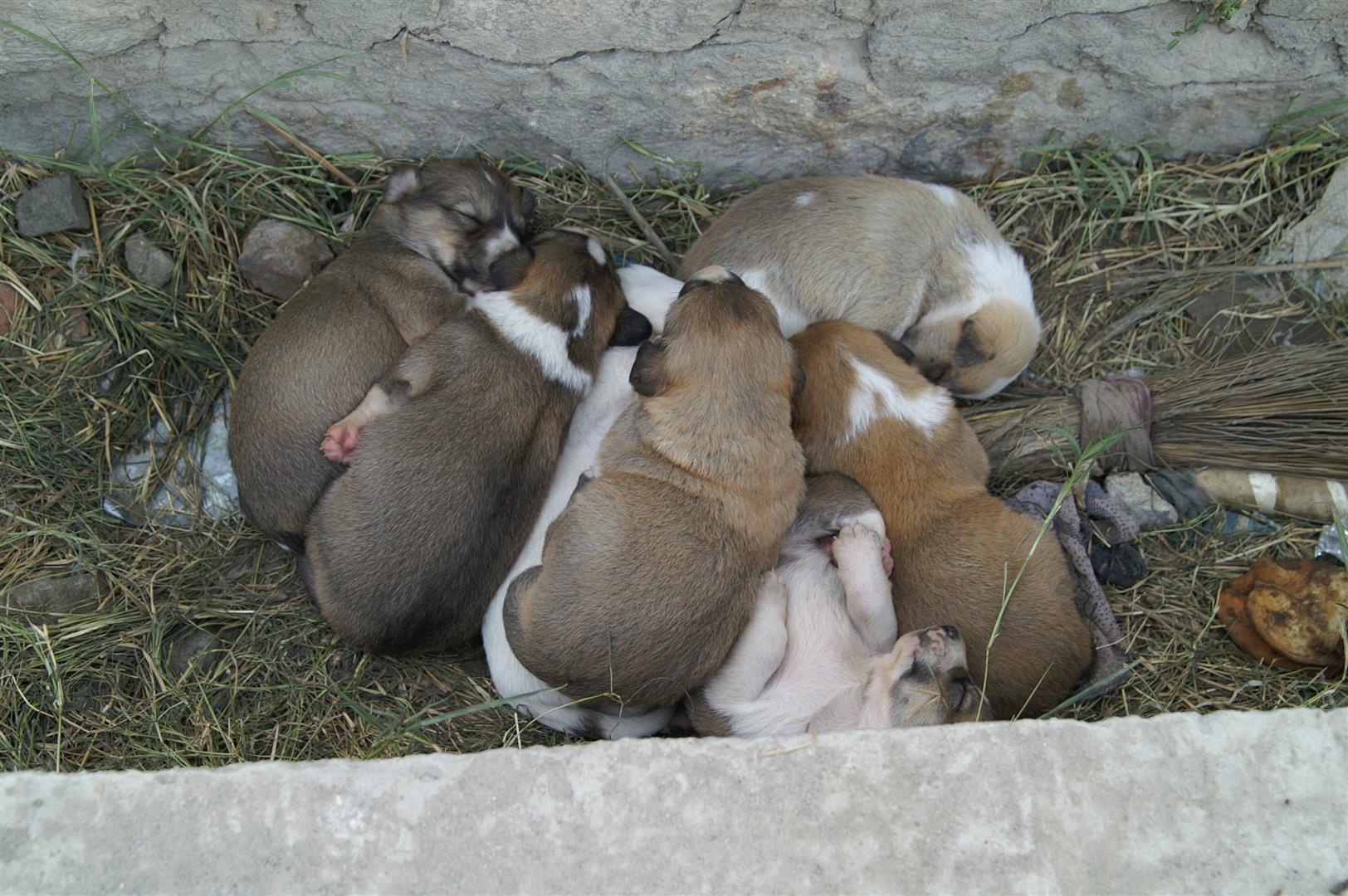
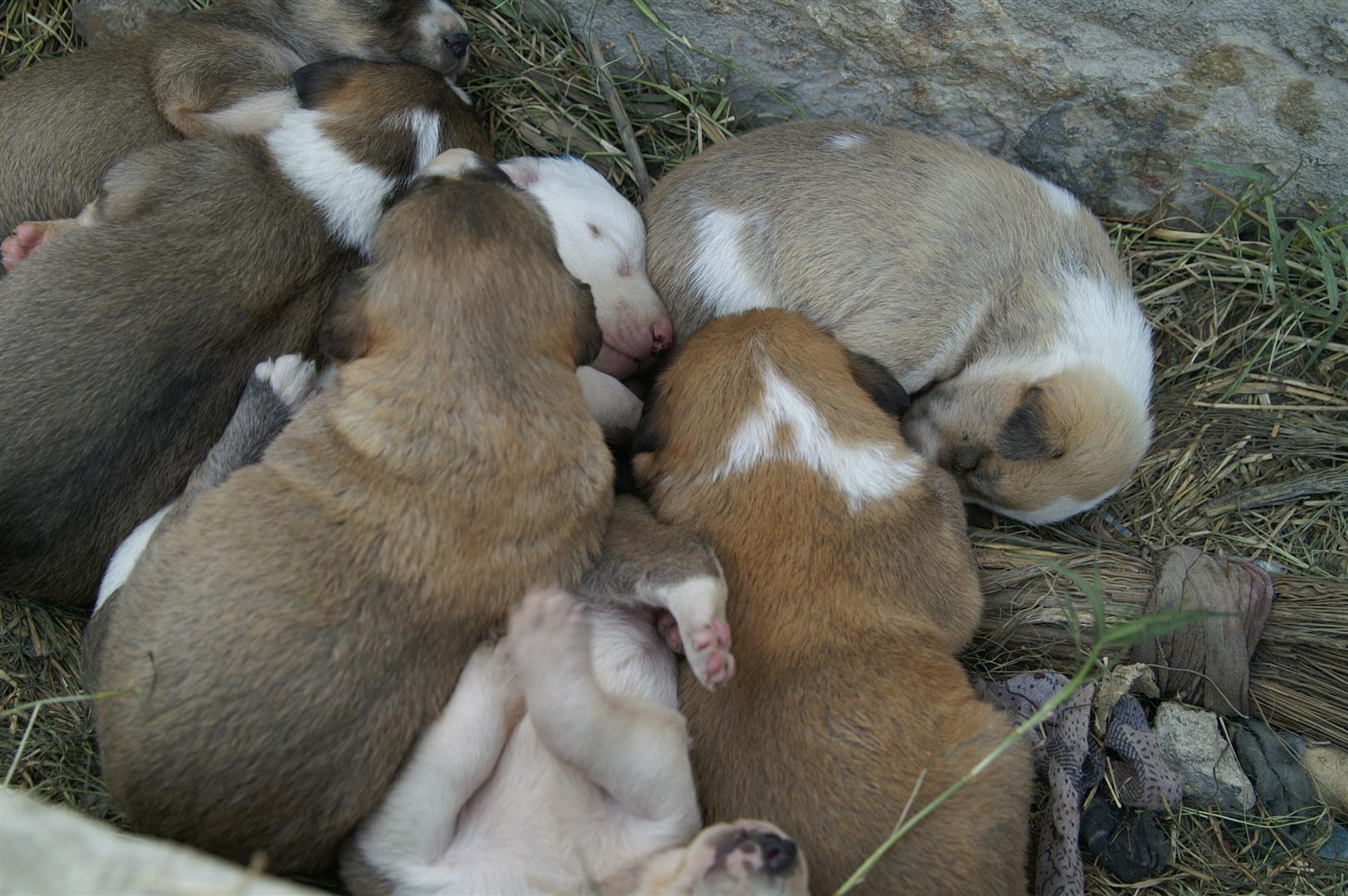
KONICA MINOLTA DIGITAL CAMERAEin Hund zu sein ist wohl das Allerschlimmste, was einem in Afghanistan passieren kann. Die Tiere gelten als unrein. So steht es im Koran (Esel übrigens auch!). Dieser Anblick war wohl der traurigste Moment meiner Reise. Viel trauriger als der von Kindern, die nie eine Schule besuchen werden, trauriger als der von den vielen Opiumsüchtigen an einer Brücke in Kabul, trauriger als der von den vielen rechtlosen Frauen im Hochgebirge, trauriger als der von den vielen Kranken ohne Aussicht auf Behandlung oder Genesung.

6 noch blinde Hundewelpen liegen in der Abwasserrinne vor den Häusern mit den mächtigen Eisentoren, hohen Mauern, den Stacheldraht obenauf und den privaten Wächtern mit den Kalaschnikows vor dem Eingang. Hier lebt die sogenannte Mittelschicht. Die Bourgeoisie von Kabul. Keiner beachtet die Fellbündel, die ganz eng beisammen kauern und sich wärmen.

Tagsüber ist es noch heiß in Kabul, doch nachts schon ziemlich kalt. Die Kleinen befinden sich unmittelbar vor dem Eingang einer deutschen Hilfsorganisation. Als ich die Gründerin frage, ob sie ihnen helfen könne, winkt sie ab: „Damit fangen wir gar nicht erst an. Hunde übertragen Krankheiten, Würmer, Lungenwürmer.“ Sie beachtet sie nicht.

Ich frage mich, wie kann man so werden? Sie erzählt mir, Tiere hätten ihr noch nie viel bedeutet und dass sie auf einem Bauernhof im Westen Deutschlands groß geworden sei. „Wenn sie durchkommen, dann machen sie eine Karriere als Straßenhunde“, ergänzt sie.

Drinnen im Garten bellt der junge Schäferhund, der gekauft wurde, um das Anwesen zu beschützen. Wenn Arbeiter oder Besucher kommen, wird er in einen engen Verschlag gesperrt. Wie jetzt auch. Nachts darf er frei durch den Garten laufen. Einen Namen hat er nicht. „Ich erinnere mich nicht, ihn mal gerufen zu haben“, sagt der Ehemann. „Als wir ihn gekauft haben, hieß er Lucky. Ich habe ihn noch nie so genannt. Für was soll er einen Namen tragen?“

Ich gehe auf Lucky zu und rufe ihn. Er bellt, springt an den Draht und wedelt mit dem Schwanz. „Er erinnert sich vielleicht noch an seinen Namen“, sagt der Mann.

Ich kann mich nicht erinnern, wann ich mich ähnlich hilflos fühlte. Der namenlose bildschöne Schäferhund, der nie menschliche Zuneigung erfahren wird und die kleinen Welpen draußen vor dem großen Tor, die zum Sterben verdammt sind.

Vielleicht wird man so nach Jahrzehnten in dem Land am Hindukusch: Gefühllos, kalt und abgestumpft den Tieren gegenüber. Vielleicht muss man so werden, um selbst in Afghanistan überleben zu können.KONICA MINOLTA DIGITAL CAMERA

Anmerkung: In Afghanistan gibt es weder Tierschutzorganisationen noch Tierschützer. Tiere haben keine Rechte. Aufgrund der anhaltenden Kriegssituation wird das auch in Zukunft so bleiben.

Veröffentlicht unter Afghanistan, Foto der Woche, Reise, Sabine’s world: A travel diary, Straßentiere, Tierschutz | Verschlagwortet mit , , , , , , , , , , | 5 Kommentare

The Che Guevara of Afghanistan

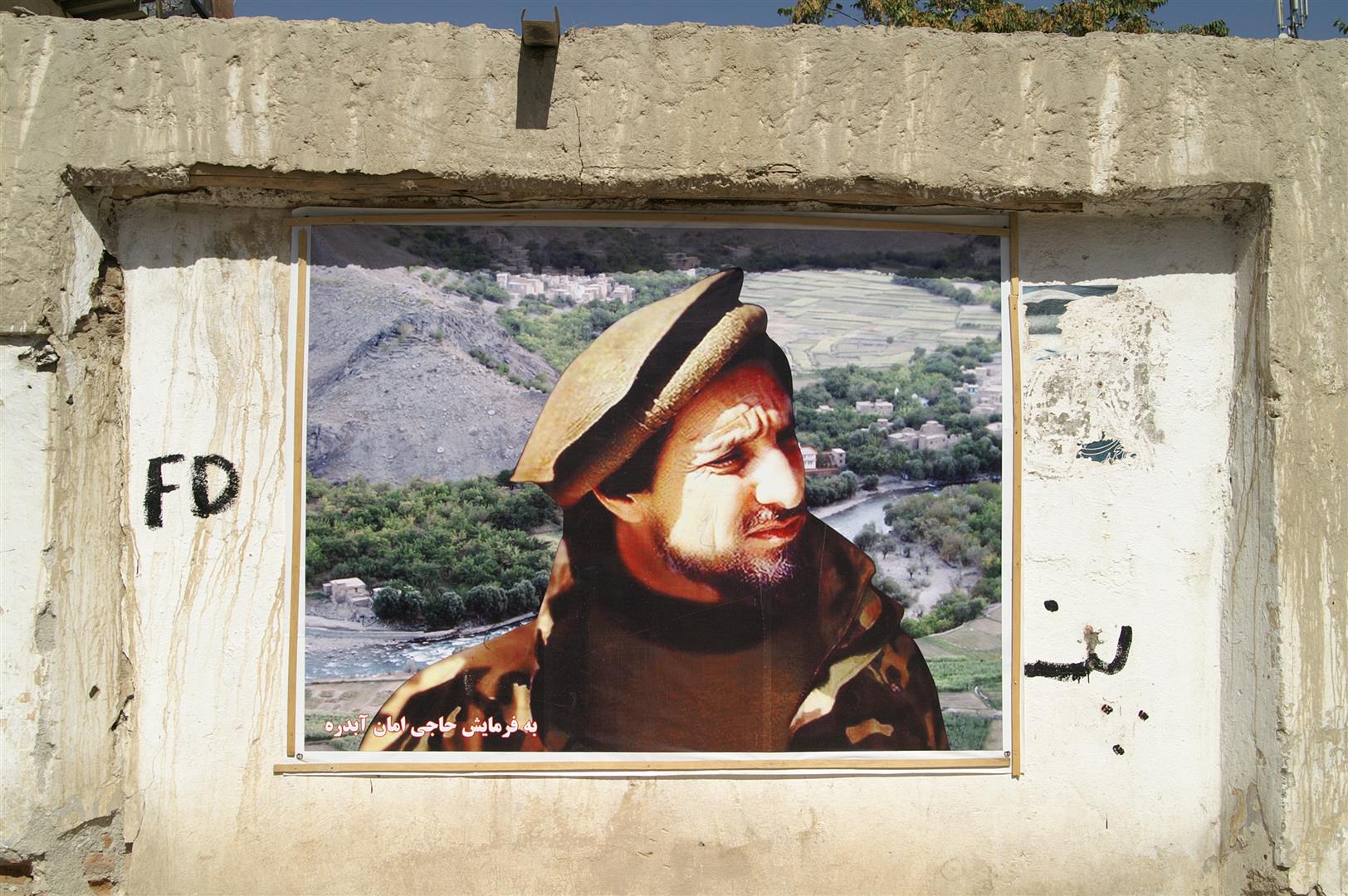
In Afghanistan you see his picture all over: On walls, car windows, posters. He is the Che Guevara of Afghanistan: Ahmad Shah Massoud (September 2, 1953 – September 9, 2001) was an Afghan political and military leader, who was a powerful military commander during the resistance against the Soviet occupation between 1979 and 1989 and in the following years of civil war.

He was assassinated on September 9, 2001, probably of al-Qaeda, in a suicide bombing, just two days before the September 11 attacks in the United States which led to the North Atlantic Treaty Organisation invading Afghanistan, allying with Massoud’s forces.
Massoud was posthumously named „National Hero“ by the order of President Hamid Karzai after the Taliban were ousted from power.

The date of Massoud’s death, September 9, is observed as a national holiday known as „Massoud Day“. His followers call him Amir Sāhib-e Shahīd (امیر صاحب شهید).

Veröffentlicht unter Afghanistan, Porträts, Reise, Sabine’s world: A travel diary | Verschlagwortet mit , , , , , , , | Hinterlasse einen Kommentar

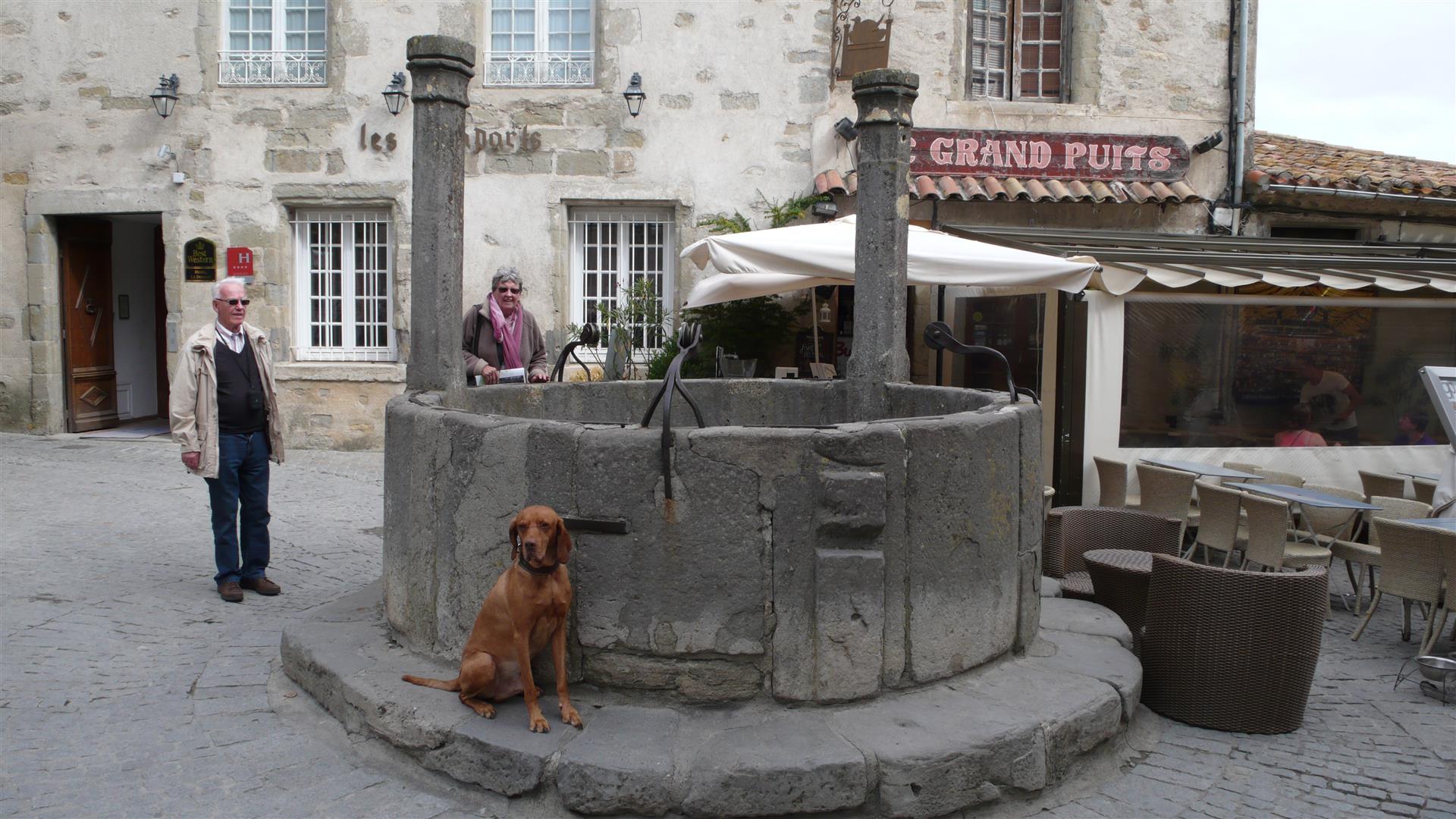
Kurz nachgebellt: The Large and the Small Well of my castle

L1180871 (Large)Here I normally invite my four legged friends for a refreshing drink. Of the 2 wells that supplied the City, the Large Well is reputed to be the oldest. Its edges date from the XIV Century and its columns and locks date back to the Renaissance era. Legend tells that there is a treasure hidden here, but the archaeological dig organised in 1910 failed to find it.

Since now it is my castle I will try again. Who is coming over for help?

Yours,

Gaston.DSC_7223b2 (Large)Photo (1): Inge Schroeder

Veröffentlicht unter France, Kurz nachgebellt, Reise, Sabine’s world: A travel diary | Verschlagwortet mit , , , , , , | 6 Kommentare